Critical Care Obstetrics part 13 pdf
Bạn đang xem bản rút gọn của tài liệu. Xem và tải ngay bản đầy đủ của tài liệu tại đây (388.35 KB, 10 trang )
Neonatal Resuscitation
109
an increase in pulmonary vascular resistance. For the neonate,
without connection to the placenta after the cord is clamped,
maintenance of the fetal circulation shunts blood away from the
lungs, the only available organ of gas exchange.
In the circumstances of progressive asphyxia, the fetus or
newborn responds with an increase in systemic vascular resis-
tance or vasoconstriction. This decreases blood fl ow to the mus-
culature and the intestines, while attempting to increase blood
fl ow to the head and heart. Thus, blood fl ow to the cardiac and
cerebral vessels is maximized at the expense of “ non - vital ” organs.
This pattern of blood fl ow, if prolonged, results in an increasing
acidosis [4,5] . The increasing acidosis along with the hypoxia
further increases the pulmonary vascular resistance, exacerbating
the problem (Figure 8.2 ). For both fetus and newborn, cardiac
output and blood pressure are maintained to the vital organs
initially, but will, in the face of increased hypoxia and acidosis
fail, as the myocardium fails [6] .
Primary and s econdary a pnea
Superimposed on these circulatory and hemodynamic changes is
a characteristic respiratory pattern response to asphyxia. The
fetus or neonate will initiate gasping respirations (which may
occur in utero ) and, should the asphyxia persist, enter an apneic
phase known as primary apnea. If the asphyxia continues, the
primary apnea will be followed by a period of irregular gasping
respirations. Continued asphyxia will lead to a period of unremit-
ting apnea known as secondary apnea. Figure 8.3 illustrates the
respiratory and cardiovascular effects of asphyxia.
If an infant is in primary apnea and exposed to oxygen when
gasping respirations ensue, exposure to oxygen may be suffi cient
fetal, may occur at the time of delivery or signifi cantly before the
events of parturition. It is important to note that intrauterine
ischemic events, even those quite remote from the delivery of the
infant, may extend into the newborn period resulting in a com-
promised infant.
Response to h ypoxia
In the normal fetal circulation, blood returning to the heart from
the body and placenta is primarily shunted through the foramen
ovale to the left side of the heart facilitating oxygenated blood to
going to the head and the heart. Blood that reaches the right
ventricle is shunted through the ductus arteriosus to the aorta,
bypassing the lungs as a result of a high pulmonary vascular
resistance [3] . This serves the fetus well as the major organ of gas
exchange is the placenta (Figure 8.1 ).
However, if the fetus or newborn is subjected to “ hypoxic ”
conditions the physiologic response is to exacerbate or maintain
Figure 8.1 Fetal circulation. (Reproduced by permission from Faranoff AA,
Martin RJ, eds.
Neonatal - Perinatal Medicine: Diseases of the Fetus and Newborn
,
7th edn. St Louis: Mosby, 2002: 417.)
Figure 8.2 Pulmonary vascular resistance (PVR) in the calf. (From [3] .)
Chapter 8
110
It is very important to understand that asphyxia may begin in
utero . The infant may go through primary apnea in utero and be
born in secondary apnea. Thus, it is extremely diffi cult to assess
the degree of asphyxia at the time of birth. For this reason, the
resuscitative efforts should begin immediately for all infants born
with any degree of depression. To wait may only subject the
infant to a potentially prolonged resuscitation and an increased
risk of neonatal brain damage.
Use of the Apgar s core
The Apgar score, which is not routinely given until 1 minute of
age, should not be used to guide decisions regarding resuscitation
interventions. If an infant is born in secondary apnea interven-
tion should be initiated immediately rather than waiting until 1
minute. The Apgar score is intended to provide a “ snapshot ” look
at the condition of the infant at any one moment in time – it is
not to be used as a guide for initiating resuscitation.
Elements of a r esuscitation
Overview (Figure 8.5 )
The ability to provide for a prompt and effective resuscitation
should be available for all infants regardless of the relative risk
for resuscitation as estimated by prenatal complications,
fetal heart tracings or complications of labor. For infants who
are known to be at high risk of being born depressed, based
upon the clinical circumstances, the need for resuscitation
should be anticipated and prepared for before the moment of
delivery.
After delivery, a quick assessment allows for appropriate triag-
ing of the infant. If the infant is term, breathing or crying, with
good muscle tone and clear amniotic fl uid there is no further
need for resuscitation and the infant may be handed to an eager
mother. The infant who is preterm, and who has any diffi culty
with breathing, reduced muscle tone or stained amniotic fl uid
should be placed on a preheated radiant warmer for further
evaluation.
If the neonate is placed on a radiant warmer, the initial steps
include drying and warming, correct airway positioning, clearing
the airway by suctioning of the mouth and nose, and assessment
of respiratory effort, heart rate and color. This should occur
within the fi rst few seconds of life and is independent of the
1 - minute Apgar score. Subsequent efforts are dictated by assess-
ment of respiratory effort, heart rate and color.
Gasping or apnea, or a heart rate below 100, should prompt
initiation of assisted ventilation. Most infants will respond to
assisted ventilation alone. In an infant with persistent central
cyanosis but adequate spontaneous respirations and a heart rate
greater than 100 beats per minute, free - fl ow oxygen may be all
that is necessary.
While the long - term effects of asphyxia are sometimes unavoid-
able, a prompt and effective resuscitation will in most cases,
restore spontaneous respiratory effort and reverse the hypoxia,
to reverse the process. However, once the infant reaches second-
ary apnea, positive - pressure ventilation is required to initiate
spontaneous ventilation. Furthermore, the longer the duration of
secondary apnea, the longer it will take for spontaneous respira-
tory effort to return following the administration of positive -
pressure ventilation (Figure 8.4 ) [7,8] .
Figure 8.3 Heart rate and blood pressure changes during apnea. (Reproduced
by permission from
Textbook of Neonatal Resuscitation
, 4th edn. Elk Grove, IL:
American Academy of Pediatrics/American Heart Association, 2000: 1 – 7.)
0
51015
10
20
30
Duration of asphyxia (min)
gasp
Last
To first
gasp
Time to
breathing
Time from ventilation (min)
Figure 8.4 Time from ventilation to fi rst gasp and to rhythmic breathing in
newborn monkeys asphyxiated for 10, 12.5, and 15 minutes at 30 ° C. (From
Adamsons K et al. Resuscitation by positive - pressure ventilation and tris -
hydroxymethyl - aminomethane of rhesus monkeys asphixiated at birth.
J Pediatr
1964; 65: 807.)
Neonatal Resuscitation
111
fact that in those infants with persistent neonatal depression, 75%
were believed to be due to ineffective or improper ventilatory
support. Thus, if adequate ventilation is established, in less than
one - tenth of 1% is there any need to progress onto chest com-
pression or medications.
Preparation for a r esuscitation
Anticipation
It must be assumed that the infant delivered of a mother requir-
ing critical care to support and maintain a pregnancy may require
resuscitation. Thus, preparation is the fi rst step to assure neonatal
resuscitation. A careful review of the antepartum and peripartum
maternal history, as well as careful assessment of the infant ’ s
response to labor, will frequently identify the potential for the
delivery of a depressed infant (Box 8.2 ). This review will help
assure that the resuscitative team is less likely to be caught unpre-
pared or surprised by an infant born in a high - risk situation who
requires immediate resuscitation. If the infant is vigorous and
ischemia, hypercapnia and acidosis and minimize the long - term
consequences to the child (Box 8.1 ).
In those very few infants who do not respond to ventilation,
chest compressions and, possibly, medications may be needed.
However, before chest compressions or medications are given, it
must be assured that the infant is being provided with appropri-
ate positive - pressure ventilation.
The resuscitative steps for infants with special circumstances
such as thick meconium - stained amniotic fl uid, pneumothorax,
congenital diaphragmatic hernia or erythroblastosis/hydrops will
be discussed later in this chapter.
Importance of e stablishing v entilation
In the vast majority of resuscitations, the initiation of effective
positive - pressure ventilation alone will restore spontaneous res-
pirations and heart rate. In an exceedingly important and often
overlooked paper, Pearlman et al. reported on a large series of
over 30 000 deliveries [9] . In their experience only 0.12% of
infants required chest compressions or medication. Of note is the
Eval
HR
Eval
HR
Birth
Clear amniotic fluid?
breathing or crying?
Good muscle tone?
Term gestation?
Routine Care
• Warmth
• Clear airway
• Dry
• Assess color
(may go to mother)
Place under radiant heater
(Suction trachea - if meconium
guidelines anpply)
Dry thoroughly
Remove wet linen
Position
Suction mouth, then nose
Provide tactile stimulation (optional)
Below 60
Continue PPV
Initiate chest
compressions
Provide oxygen
Above 60
Continue PPV
Watch for spontaneous
ventilation
Then, discontinue PPV
if HR above 100
Initiate medication if HR
below 60 after 30 seconds
of PPV with 100% oxygen
and chest compressions
Observe and
monitor
Provide oxygen
Evaluate
color
No
PPV
? with
oxygen
None
or
gasping
Pink or
peripheral
cyanosis
Spontaneous
Above 100
Cyanotic
15-30 sec
Below 100
Ye s
Evaluate
respirations
Figure 8.5 Overview of resuscitation in the delivery room. HR, heart rate; PPV, positive - pressure ventilation. (Modifi ed from
Textbook of Neonatal Resuscitation
, 4th
edn; Elk Grove, IL; American Academy of Pediatrics/American Heart Association, 2000. Originally published in Faranoff AA, Martin RJ, eds.
Neonatal - Perinatal Medicine:
Diseases of the Fetus and Newborn
, 7th edn. St Louis: Mosby, 2002: 434.)
Chapter 8
112
Adequate p ersonnel
Individuals vested with the responsibility of resuscitating infants
should be adequately trained, readily available and capable of
working together as a team. Adequate training involves more
than simple completion of a certifi cation course on the resuscita-
tion of the newborn infant. The Neonatal Resuscitation Program
of the American Heart Association/American Academy of
Pediatrics and similar courses serve simply as starting points.
They do not qualify one to assume independent responsibility in
the delivery room. Those having completed a course, but still
lacking the expertise gained through experience must be ade-
quately supervised and supported by experienced personnel.
Ultimately, the ability to resuscitate neonates is not determined
by professional designation or course completion, but by experi-
ence and expertise.
Finally, those responsible for resuscitating an infant must be
capable of working together as a team. If individuals are aware of
and able to fulfi ll their respective responsibilities as well as antici-
pate the needs of other team members, the tension inherent in a
diffi cult resuscitation will be reduced. In those institutions where
resuscitations are uncommon events, frequent mock code drills
will help to maintain skills and develop coordination among team
members.
Initial s teps and e valuation
To i ts m other or n ot?
Most infants are vigorous, cry upon birth and breathe easily
thereafter. The decision to bypass resuscitative efforts should,
however, be based on data collected during a brief triage of the
infant. The infant born at term without obvious deformity or the
passage of meconium in utero , who immediately after birth is
vigorous, is breathing easily and who exhibits good tone, may be
triaged to its mother if those are the wishes of the parents. A light
blanket and some drying of the infant by the mother and delivery
room staff will help to establish an appropriate thermal environ-
ment but should not hinder frequent and adequate assessments
of the neonate ’ s condition.
If, however, the infant is premature, has passed meconium in
utero or exhibits any degree of respiratory distress, hypotonia, or
obvious malformations, the infant should be placed onto a
radiant warmer for the initial steps of resuscitation. There a more
thorough assessment can be performed and possible further
resuscitative interventions begun.
Initial s teps
Thermal m anagement
Temperatures in delivery rooms are typically lower than the
neutral thermal environment for neonates. This can leave the
newly delivered, wet infant at risk for cold stress. Immediately
after birth, the infant with any degree of compromise, or for
whom there is any concern, should be placed in the microenvi-
ronment of a preheated radiant warmer. The infant should be
thoroughly dried with all wet blankets removed to reduce evapo-
rative heat loss. These simple measures can minimize the signifi -
Box 8.1 Consequences of asphyxia
Central nervous system
Cerebral hemorrhage
Cerebral edema
Hypoxic - ischemic encephalopathy
Seizures
Lung
Delayed onset of respiration
Respiratory distress syndrome
Meconium aspiration syndrome
Cardiovascular system
Myocardial failure
Papillary muscle necrosis
Persistent fetal circulation
Renal system
Cortico/tubular/medullary necrosis
Gastrointestinal tract
Necrotizing enterocolitis
B l o o d
Disseminated intravascular coagulation
(From Faranoff AA, Martin, RJ, eds. Neonatal - Perinatal Medicine:
Diseases of the Fetus and Newborn , 7th edn. St Louis: Mosby, 2002:
420.)
pink despite its high - risk situation, it will be only a pleasant sur-
prise to those preparing for resuscitation.
Traditionally, a cesarean delivery of any type has been consid-
ered high risk. Enough information is now available to state that
the uncomplicated repeat cesarean section carries no greater risk
for the infant than a vaginal delivery [10] .
Anticipation of the potential need for resuscitation has been
made easier by technologic advances allowing better prenatal
assessment of the fetus. But, not all events compromising an
infant ’ s response to labor may be predicted. For this reason,
equipment and personnel must be immediately available to inter-
vene on behalf of the infant requiring an unanticipated
resuscitation.
Equipment
Whenever an infant is delivered, appropriate equipment must be
close at hand and in good working order. Having the correct
equipment and skilled individuals to establish adequate ventila-
tion is imperative. It is unacceptable for a team member to have
to leave the delivery room in order to retrieve an essential piece
of equipment.
Neonatal Resuscitation
113
cant drop in infant core body temperature experienced
immediately after birth [11] . This is particularly important for
the infant with any degree of compromise. Hypoxia reduces the
infant ’ s homeostatic response to cold stress, and without inter-
vention, the hypoxic infant will undergo a greater than normal
drop in core body temperature [12] . Hypothermia also reduces
the clearance of metabolic acidosis and thus prolongs the recov-
ery from perinatal asphyxia [13] .
The premature and/or small infant represents an especially
diffi cult problem from the aspect of temperature control. As a
result of the lack of subcutaneous tissue and thin skin they tend
to have greater evaporative water loss across the skin than a term
infant. In addition, the large surface area to body mass ratio also
facilitates heat loss and a decrease in body temperature.
There are three things that can be done to help diminish heat
loss in the preterm/small infant. The fi rst two should be done
before the anticipated delivery: (i) increase the temperature of the
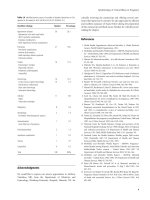
Box 8.2 Factors associated with neonatal depression and asphyxia
Antepartum risk factors Intrapartum risk factors
Maternal diabetes Emergency cesarean section
Pregnancy - induced hypertension Forceps or vacuum - assisted delivery
Chronic hypertension Breech or other abnormal presentation
Chronic maternal illness Premature labor
Cardiovascular Precipitous labor
Thyroid Chorioamnionitis
Neurologic Prolonged rupture of membranes ( > 18 hours before delivery)
Pulmonary Prolonged labor ( > 24 hours)
Renal Prolonged second stage of labor ( > 2 hours)
Fetal anemia or isoimmunization Persistent fetal bradycardia
Previous fetal or neonatal death Non - reassuring fetal heart rate patterns
Bleeding in second or third trimester Use of general anesthesia
Maternal infection Uterine hyperstimulation
Polyhydramnios Narcotics given to mother within 4 hours of delivery
Oligohydramnios Meconium - stained amniotic fl uid
Premature rupture of membranes Prolapsed cord
Post - term gestation Abruptio placentae
Multiple gestation Placenta previa
Size – dates discrepancy Signifi cant intrapartum bleeding
Fetal hydrops
Drug therapy, e.g.
magnesium
adrenergic - blocking drugs
Maternal substance abuse
Fetal malformation
Diminished fetal activity
No prenatal care
Age < 16 or > 35 years
(Modifi ed from Textbook of Neonatal Resuscitation , 4th edn; Elk Grove, IL; American Academy of Pediatrics/American Heart Association, 2000.
Originally published in Faranoff AA, Martin RJ, eds. Neonatal - Perinatal Medicine: Diseases of the Fetus and Newborn , 7th edn. St Louis: Mosby, 2002:
420.)
delivery room and (ii) make sure that the radiant warmer is pre-
heated before the birth of the infant. Finally, for infants less than
28 weeks, it is now recommended that consideration be given to
placing the infant in a standard, food - quality 1 - gallon polyethyl-
ene bag that can easily be obtained from a grocery store. A hole
is cut in the closed end of the bag and the bag slipped over the
baby with his or her head coming out of the hole. The “ zipper ”
end can then be closed (Figure 8.6 ). This allows a resuscitation
to proceed with minimal evaporative heat loss and full visualiza-
tion of the infant. The infant can be placed in the bag in place of,
or after, drying. A preheated transport incubator can be used to
help maintain body temperature during transport to the nursery
or NICU.
Clearing the a irway
The airway is normally cleared with the use of a bulb syringe or
suction catheter. The mouth is suctioned fi rst and then the nose.
Chapter 8
114
It is now clear that at about 1 minute, following an uncompli-
cated birth, most infants breathing room air will only attain an
oxygen saturation of around 60 – 70%. By 5 minutes, most infants
have reached ranges in the mid - to high 80% range and, in many
infants, it may take 10 minutes to reach oxygen saturations of
90% or higher [15,16] . This matter may be complicated by indi-
vidual variation in the clinical assessment of color during the
transition of a neonate.
In the breathing infant with a heart rate of above 100 who
appears cyanotic, the use of a pulse oximeter may be of some
value. Using the newer pulse oximetry models with placement of
the oximeter probe on the right hand (preductal), it should be
possible to obtain an S
p
O
2
reading by a couple of minutes of age
in most infants. If the S
p
O
2
is less than 85% then blended oxygen
can be provided to whatever extent is necessary to raise the S
p
O
2
to between 85% to 90%, or until it is quite clear that additional
oxygen makes no difference in the oxygen saturations, in which
case the infant is likely to have cyanotic congenital heart disease.
Having said this, it is important to understand that we do not
know what the optimal oxygen saturation of a transitioning
newborn is at any point in time. Thus, the best we can do is to
have oxygen blenders and pulse oximeters in delivery units that
deal with high - risk infants in order to provide some guidance so
that the supplemental oxygen can be provided at the levels which
are no higher than necessary. If the infant is in need of supple-
mental oxygen, it seems prudent to start at about 40% and move
up or down as indicated.
Free - fl ow oxygen in high concentrations can easily be admin-
istered by oxygen mask (with escape holes) or by cupping the
hand around the end of the oxygen tubing and holding this close
to the infant ’ s nose and mouth. A fl ow - infl ating (anesthesia) bag
and mask or a mask on the end of a T - tube device (such as the
Neopuff ® ) held lightly over the infant ’ s nose and mouth may also
deliver a measured concentration of inspired oxygen. Caution
should be used to avoid a seal of the mask to the face so as to
avoid providing positive pressure to the lung. A self - infl ating bag
is not capable of providing free - fl ow oxygen. Cold, dry oxygen
can be given in an emergency; however, a persistent need for
free - fl ow oxygen should prompt humidifi cation and heating of
the oxygen.
Assisted v entilation
If an infant is not breathing, is breathing but incapable of sustain-
ing a heart rate of above 100, or is in signifi cant respiratory dis-
tress and requiring supplemental oxygen, some form of assisted
ventilation may be necessary. This may be simply the provision
of a continuous positive end - expiratory pressure to a spontane-
ously breathing infant or intermittent mandatory positive - pres-
sure ventilation with end - expiratory pressure to infants who are
not breathing or are in signifi cant respiratory distress.
When resuscitating a newborn, one must establish a functional
residual capacity (FRC) and provide tidal volumes breaths. In the
past when positive - pressure ventilation was used the concerns
were to provide a peak inspiratory pressure capable of effecting
This is done to fi rst clear secretions in the mouth and potentially
prevent their aspiration should deep breaths occur with nasal
suctioning. Gentle suctioning of the mouth will avoid the refl ex
bradycardia associated with stimulation of the posterior pharynx
[14] . The infant exposed to meconium in utero represents a
special case and will be discussed later.
Tactile s timulation
Drying and suctioning are generally suffi cient to stimulate respi-
rations in the newborn infant. Other methods such as fl icking the
feet or rubbing the back have been traditionally used to stimulate
a more vigorous respiratory response. If there is no immediate
response to these supplemental methods, positive - pressure ven-
tilation should be promptly initiated. Continued tactile stimula-
tion in an unresponsive infant will not succeed and may prolong
the asphyxial process. If, after suctioning and tactile stimulation
an infant exhibits apnea or a heart rate of ≥ 100 beats/min, posi-
tive - pressure ventilation should be initiated.
Free - fl ow o xygen
The use of oxygen has become a topic which has been subject to
a great deal of discussion and, in some sense, controversy. This
is related to the potentially harmful effects of hyperoxia, espe-
cially in an asphyxiated infant. As prolonged hypoxia is to be
avoided, it is also necessary to avoid hypoxemia. Most of what
has been written involves the role of oxygen in infants who are
in need of active resuscitation with ventilatory support, which we
will discuss later in this chapter. However, in the infant who is
breathing spontaneously with no or minimal signifi cant signs of
respiratory distress and whose heart rate is above 100, yet who
remains cyanotic, there is general agreement that there is a need
for supplemental oxygen. However, when to introduce the oxygen
and at what levels to start are not well agreed upon.
Figure 8.6 Use of plastic bag for reducing evaporative heat loss. (Reproduced
from
Textbook of Neonatal Resuscitation
, 5th edn. Elk Grove, IL: American
Academy of Pediatrics/American Heart Association, 2006: 8 – 6.)
Neonatal Resuscitation
115
appropriate tidal volume is very limited. We have neither the
knowledge nor the tools to assure appropriate tidal volumes in
the immediate newborn lung during resuscitation.
How then do we approach a positive - pressure infl ation? Where
in the past we looked for a “ easy rise and fall of the chest ” or
provided enough positive pressure to reach certain pressure
values, now it is recommended that just enough pressure be pro-
vided to improve the heart rate, color and muscle tone. These
signs are considered the best indicators that infl ation pressures
are adequate. If these signs are not improving, then one should
look for the presence of chest movement and increase the pres-
sure, assuming that one has a good face - mask seal [22] .
Keep in mind that in order to establish an FRC, it may be
necessary to use higher pressures and longer inspiratory times for
the fi rst few breaths than for subsequent breaths.
Positive e nd - e xpiratory p ressure ( PEEP )
We are concerned with not only the degree of inspiration but also
the expiratory wing of the breath. In surfactant - defi cient animals,
ventilation without end - expiratory pressure may result in col-
lapse of the distal units of the lung. Repeated re - expansion of
units of the lung that are allowed to become atelectatic at end -
expiration leads to shear stresses on the lung that results in similar
consequences as those induced by overexpansion of the lung.
When surfactant - defi cient rabbit lungs are allowed to attain
low end - expiratory volumes they have reduced compliance and
greater histologic lung injury than those lungs ventilated at a
higher end - expiratory volume maintained with end - expiratory
pressures [23] . When rat lungs are ventilated with a low end -
expiratory lung volume there is increased cytokine release [24]
and increased pulmonary edema [25] . It has also been shown that
when saline - lavaged rabbit lungs or preterm lambs are ventilated
at low lung volumes there is an impaired response to surfactant.
On the other hand, there is also evidence that if preterm lamb
lungs are held open at end - expiration with positive end - expira-
tory pressure, surfactant function is preserved [26,27] . For a very
long time we have used end - expiratory pressure with all infants
who are on ventilators.
Thus, in addition to avoiding overexpansion of the lung, it
also may be important to resuscitate infants, especially the pre-
mature infant, using an end - expiratory pressure. This may
help avoid the potential damage which can result from repeated
re - opening of lung units that are allowed to become atelectatic
at end - expiration.
Now, many neonatologists routinely use an end - expiratory
pressure when they resuscitate an infant with positive - pressure
ventilation to prevent the lung from collapsing at end - expiration
with the induction of shear stress upon the subsequent
infl ation.
Continuous p ositive a irway p ressure ( CPAP )
End - expiratory pressure, in the form of mask CPAP, is becoming
more and more frequently used in the delivery room with infants
who are spontaneously breathing yet have some degree of
chest movement that resembled an “ easy breath ” . In recent years
we have taken into consideration the potential lung damage that
can come from over - infl ation that may occur if chest movement
is the only indicator of adequate ventilation. We have also begun
to recognize that there is a potential for damage when the lungs
are allowed to defl ate to an end - expiratory pressure of zero with
the induction of shear stresses upon re - infl ation. This has led to
the use of a positive end - expiratory pressure, especially when
ventilating premature infants, whose immature lungs may well
be more susceptible to shear stresses than the term infant [17] .
Tidal v olume v entilation
In a resuscitation of a newborn, one has to provide tidal volume
breaths that are suffi cient to promote adequate gas exchange, but
which do not over - distend the lung. The parameter most often
used for monitoring adequacy of inspiratory fl ow while bagging
is chest wall movement. What is not known is how chest wall
movement relates to appropriate expansion of alveoli and true
tidal volume in the non - uniformly infl ated lung of the neonate,
and especially the premature infant with lung disease. It is quite
possible, in fact, even likely, that when chest wall movement is
used as a guide for positive - pressure ventilation in the delivery
room we are overdistending more compliant portions of the lung
in our quest for chest rise. This is especially problematic in the
immature, surfactant - defi cient lung which may be subject to
non - uniform expansion. In these circumstances positive - pres-
sure inspiratory gas may be forced into those areas that are more
compliant, overdistending those areas of the lung.
These issues become important to consider as we now realize
that overdistention of the alveoli can induce lung damage. There
is good evidence that overdistention of the lung (volutrauma) is
of greater concern than trauma caused by high pressure (baro-
trauma) [18] .
Wada et al. demonstrated that in preterm lambs ventilated for
30 minutes at high tidal volumes, compared to controls, there was
a decrease in compliance, lower ventilatory effi ciencies and a
decreased subsequent response to surfactant [19] . Bjorklund
et al. showed that only six large breaths delivered with manual
ventilation immediately after birth created enough injury in the
lung to result in an attenuated response to surfactant, greater
diffi culty in ventilating the animal and more widespread lung
injury in histologic sections [20] .
Overdistention of the lung can induce a series of events that
lead to lung injury, e.g. interstitial and alveolar edema, as well as
the initiation of an infl ammatory response by attraction and acti-
vation of neutrophils and macrophages. Simply stretching the
lung opens stretch - activated ion channels and increases epithelial
and endothelial permeability. It can also result in conformational
changes in the membrane molecules. Studies at both a cell level
and of whole lung have shown that overdistention can alter cell
metabolism leading to a cascade of cytokines and chemokines
which are proinfl ammatory and lead to further lung injury [21] .
Thus, there is good evidence that overdistention of the lung
promotes lung injury. However, at this point our ability to assure
Chapter 8
116
Those who routinely use a fl ow - infl ating bag believe it gives
greater responsiveness and greater individual control. Self -
infl ating bags, however, require less expertise and experience to
use effectively than do fl ow - infl ating bags. They will require a
special attachment to provide end - expiratory pressure (PEEP);
however, they cannot deliver CPAP. Self - infl ating bags also
require an oxygen reservoir to provide variable concentrations of
oxygen.
To guard against the delivery of excessive pressure to the
infant ’ s lungs, all resuscitation bags should be equipped with a
pressure gauge, a pressure - relief valve (pop - off valve) or both.
Pop - off valves ideally vent pressures of greater than 30 – 40 cmH
2
O,
but great variability can exist between individual bags [16] .
Should pressures greater than 30 – 40 cmH
2
O be needed to estab-
lish adequate chest rise, a fi nger can easily be placed over the
pop - off valve. Any bag without a pop - off valve should have a
pressure gauge. Pressure gauges with built - in pressure release
valves are available.
A T - tube device capable of providing both CPAP and PEEP,
controlling the peak - inspiratory pressure as well as the inspira-
tory time, has been developed (Figure 8. 7 ). The most common
one on the market today is called the NeoPuff ® .
It is important to check any apparatus for defects before every
resuscitation. Reusable bags will develop leaks and cracks over
time, and bag reassembly after cleaning may not be correct. It is
greatly preferable to discover a faulty bag and mask before it is
urgently needed. The apparatus can quickly be checked for func-
tion by occluding the air outlet and squeezing the bag or occlud-
ing the opening in the T - tube. A pressure should be generated
and refl ected on the pressure gauge and/or the pop - off valve
should vent air above 30 – 40 cmH
2
O.
Use of m ask - CPAP
As pointed out previously, in infants who are breathing yet
exhibit some degree of respiratory distress and/or an oxygen
need, the use of CPAP has become increasingly more common.
The easiest way to do this is with the NeoPuff
®
. After setting the
F
i
O
2
and the desired degree of continuous positive airway pres-
sure, the attached mask can be sealed to the face, permitting the
infant to exhale against a continuous pressure. The same effect
can be obtained with a fl ow - infl ating bag by use of the fl ow -
control valve.
Although there are no well - established values at which to start
CPAP most neonatologists will begin with at least 5 cmH
2
O pres-
sure and move up, if necessary. It is uncommon to go to pressures
in excess of 8 cmH
2
O. Care must be taken to avoid providing
excessive end - expiratory pressure to an infant with good lung
compliance.
Use of p ositive - p ressure v entilation
In the infant who is not breathing, has inadequate respirations to
keep the heart rate above 100 or who has an excessive work of
breathing and a high F
i
O
2
requirement on CPAP, there is a need
for positive - pressure ventilation. Any of the three devices that
respiratory distress. The goal is the same as discussed above,
namely helping to recruit and maintain alveoli open by prevent-
ing collapse of alveoli at end - expiration. In breathing preterm
lambs when the use of CPAP was compared with intubation and
positive - pressure ventilation, it has been shown that at 2 hours
of age, those animals resuscitated and treated only with CPAP
have higher lung volumes, as well as less evidence of an infl am-
matory response or acute lung injury [28] .
In 1987 the incidence of chronic lung disease was examined at
eight institutions throughout the United States. Of note was the
fact that Columbia University, had the lowest incidence of chronic
lung disease and the most frequent use of CPAP as method of
resuscitation and ventilatory support in the nursery [29] . This
was confi rmed again in 2000 when the incidence of chronic lung
disease was examined at two Boston hospitals (22%) and com-
pared to the hospital at Columbia University (4%). The conclu-
sion of the paper was that “ … most of the increased risk of CLD
among very low birth weight infants hospitalized at 2 Boston
NICUs, compared with those at Babies ’ Hospital, was explained
simply by the initiation of mechanical ventilation. ” [30] .
There are a great number of cohort studies indicating that the
use of CPAP for ventilatory support in the delivery room reduces
the number of infants who need to be ventilated. There are,
however, no randomized, controlled clinical trials of suffi cient
power that compare the use of CPAP with positive - pressure ven-
tilation in neonatal resuscitation. In spite of the lack of “ gold
standard ” trials, the use of CPAP is becoming more and more
accepted [31] . The 2006 edition of the American NRP points out
that “ Some neonatologists recommend administering CPAP to a
spontaneously breathing baby … ” The Australian Neonatal
Resuscitation guidelines point out that there are no randomized
controlled trials of CPAP and then go on to say: “ However, there
is accumulating evidence that it is benefi cial and no evidence of
harm when used with babies with stiff lungs. Therefore, CPAP or
PEEP (at least 5 cmH
2
O) should now be considered when resus-
citating very premature infants. ” [32] .
Resuscitation d evices
It is now recommended that any device used in assisted ventila-
tion be capable of controlling peak inspiratory pressure and end -
expiratory pressure as well as inspiratory time. In addition, the
device should be able to deliver a variable amount of oxygen
ranging from room air to 100%.
There are three devices currently in use that, with various
degrees of ease, can meet these requirements. These are the self -
infl ating bag, the fl ow - infl ating bag and a T - tube device with
CPAP and PEEP capability. Regardless of what device is used,
those who participate as part of the neonatal resuscitation team
should be trained, comfortable and profi cient in its use.
If a self - infl ating or fl ow - infl ating bag is used, the volume must
be appropriate for the newborn infant (200 – 750 mL total volume)
and capable of delivering high concentrations of oxygen. An
infant will only require between 5 and 8 cc/kg with each ventila-
tion. A large bag makes it diffi cult to provide such small volumes.
Neonatal Resuscitation
117
Circult
Pressure
Inspiratery
Pressure
Control
Maximum
Pressure
Relief
Gas Outlet
Gas Intlet
Figure 8.7 T - tube device capable of providing
CPAP and PEEP. (Reproduced from
Textbook of
Neonatal Resuscitation
, 5th edn. Elk Grove, IL:
American Academy of Pediatrics/American Heart
Association, 2006: 3 – 55.)
Table 8.1 Problems associated with inadequate chest expansion.
Problem Correction
Inadequate face mask seal Reapply mask to face
Alter position of hand that holds mask
Blocked airway
Bag and mask Check infant ’ s position
Suction mouth, oropharynx, and nose
Insert oral airway if indicated (Pierre – Robin,
macroglossia)
Bag and endotracheal tube Suction the tube
Misplaced endotracheal tube Remove endotracheal tube, ventilate with
bag and mask, replace tube
Inadequate pressure Increase pressure, taking care not to
overexpand the chest; may require
adjusting or overriding the pop - off valve
(Reproduced by permission from Faranoff AA, Martin, RJ, eds.
Neonatal - Perinatal
Medicine: Diseases of the Fetus and Newborn
, 7th edn. St Louis: Mosby, 2002:
429.)
have been discussed are capable of providing positive - pressure
ventilation. However, in order to add end - expiratory pressure to
prevent alveolar collapse at end - expiration, one needs to add a
device to the self - infl ating bag. Initially, positive - pressure ventila-
tion will be provided with a mask.
Positive - pressure ventilation, like the fi rst spontaneous breaths
in the healthy infant, must establish FRC and an adequate tidal
volume to halt the development or progression of the asphyxial
process. To prevent overdistention of the lungs, the goal is to use
just enough pressure to effect an improvement in heart rate,
oxygen saturation/color, muscle tone and spontaneous breathing.
The fi rst breaths may require a greater peak inspiratory pressure
and a longer inspiratory time than subsequent breaths. It is rec-
ommended that the rate of ventilation should be between 40 and
60 breaths per minute.
If the infant improves, yet continues to need positive - pressure
ventilation, be aware of how much tidal volume you are provid-
ing. If the chest movement is enough to make the infant appear
to be taking deep breaths, you are probably overinfl ating the
lungs. In addition, to increasing the risk of the type of lung
damage we previously discussed, you are also at an increased risk
for producing a pneumothorax.
If no improvement occurs with the fi rst few breaths, it may be
necessary to increase the inspiratory pressure. However, before
you do this, check to see if there is any chest movement and have
someone listen with a stethoscope to assess breath sounds. If these
are poor fi rst check to see if there is an adequate seal between the
mask and the face and make sure the airway is not blocked. If
these are OK, and there is no improvement, increase the pressure.
If there continues to be no improvement, it may be necessary to
intubate the infant and provide positive pressure through the
endotracheal tube. Table 8.1 describes common problems associ-
ated with inadequate chest expansion and potential corrective
actions easily performed in the delivery room.
Endotracheal i ntubation
The task of endotracheal intubation is best accomplished by two
people. One inserts the tube into the airway, while the other
assists and then assesses for correct placement of the tube by
listening for equal breath sounds on both sides of the chest.
Uncuffed endotracheal tube sizes ranging from 2.0 to 4.0 should
be available in the delivery suite. A 2.5 endotracheal tube will be
Chapter 8
118
the animal and human work can be gleaned from two recent
review articles [33,34] . Multiple animal studies have provided
evidence indicating that the generation of oxygen free radicals
during the reperfusion phase of ischemic injury is associated
with increased damage. After a pilot study demonstrating no
difference in outcomes of resuscitation with room air versus
100% oxygen, a seminal and, to date, the only large multicenter
controlled study was done [35] . This study enrolled 609 infants
to more rigorously test the hypothesis that room air resuscitation
of the asphyxiated infant would not increase morbidity and
mortality. There were no signifi cant differences in mortality,
incidence and severity of hypoxic - ischemic encephalopathy,
acid – base status, oxygen saturations or arterial oxygen
concentrations.
There are human data to indicate that the initial use of 100%
oxygen increases the time to the onset of spontaneous respiration,
increases the time of resuscitation, results in a lower 5 - minute
Apgar score, increases oxidative stress and results in some, at least
in the short term, oxidative injury in the kidney and heart. There
is also a suggestion that there is an increased neonatal mortality,
although this fi nding is debated. There have been a limited
number of randomized controlled human studies, which indi-
vidually and when looked at in a meta - analysis [36] indicated that
starting resuscitation with room air and adding oxygen if needed,
does no harm.
The American NRP recommends that 100% oxygen should be
used when resuscitating term infants with cyanosis or a need for
positive pressure ventilation. When resuscitating the pre - term
infant one should use a blender and pulse oximeter and begin
somewhere between room air and 100% oxygen; increasing or
decreasing the F
i
O
2
upon the response of the infant.
On the other hand, the Australian Neonatal Resuscitation
Guidelines state that “ However, at present, the best available
evidence suggests air should be used initially with supplemental
oxygen reserved for infants whose condition does not improve
after effective ventilatory support. ” [32] . The Canadian recom-
mendations indicate that positive - pressure ventilations should be
initiated with room air and supplemental oxygen used at 90
seconds of age if the heart rate is below 100 beats per minute or
cyanosis persists [37] . Others have suggested starting with an F
i
O
2
of 40% and moving up or down as necessary.
Chest c ompressions
As emphasized above, in all but a fraction of 1% of infants, provi-
sion of positive - pressure ventilation will be suffi cient to over-
come any bradycardia and lead to spontaneous respirations. If,
however, after ventilation with 100% oxygen, the newborn
remains bradycardic, chest compressions will be needed to main-
tain systemic blood fl ow.
The American Heart Association/American Academy of
Pediatrics currently recommends beginning chest compression
for a heart rate of less than 60 beats/min. This can be done with
the two - fi nger method, or the thumb method may be used to
small enough for all but the 500 – 600 - g, extremely low birth
weight infants (Table 8.2 ). If a soft, fl exible wire stylet is used to
assist with endotracheal tube placement, it should not extend past
the tip of the endotracheal tube, thus ensuring that the stylet does
not damage the tracheal wall or carina. A tip to lip distance in cm
should be used to estimate depth of placement (Table 8.3 ).
When the tube is placed in the airway, whichever resuscitation
device one is using should be attached to the endotracheal tube
and a series of breaths initiated. Placement should initially be
checked both by auscultation of equal breath sounds on both
sides of the chest along with a lack of signifi cant auscultated
gastric breath sounds or of signifi cant gastric distension. The
placement should be confi rmed by the use of a small, portable
exhaled CO
2
detector.
Complications of endotracheal intubation include hypoxia,
bradycardia, infection and contusions or lacerations to the struc-
tures of the upper airway, including the vocal cords themselves.
Rarely but tragically, the trachea or esophagus will be perforated.
The utmost care must be given to placement of the endotracheal
tube to avoid such complications. Even more vigilance must be
exercised if an endotracheal tube is placed with the use of a stylet.
Room a ir v ersus 100% o xygen
The use of room air as opposed to 100% oxygen in the resuscita-
tion of an infant is a source of much debate. The references for
Table 8.2 Endotracheal tube sizes.
Tube size (mm ID) Weight (g) Gestational age (weeks)
2.0 * 500 – 600 or less 25 – 26 or less
2.5
< 1000 < 28
3.0 1000 – 2000 28 – 34
3.5 2000 – 3000 34 – 38
3.5 – 4.0
> 3000 > 38
* May be needed if a size 2.5Fr tube does not fi t.
ID, internal diameter.
(Reproduced by permission from Faranoff AA, Martin, RJ, eds.
Neonatal - Perinatal
Medicine: Diseases of the Fetus and Newborn
, 7th edn. St Louis: Mosby, 2002:
426.)
Table 8.3 Endotracheal tube placement.
Weight (kg) Depth of insertion (cm from upper lip)
1 7 *
2 8
3 9
4 10
* Infants weighing less than 750 g may require only 6 cm insertion.
(Reproduced by permission from
Textbook of Neonatal Resuscitation
, 4th edn.
Elk Grove, IL: American Academy of Pediatrics/American Heart Association,
2000: 5 – 19.)