Critical Care Obstetrics part 12 potx
Bạn đang xem bản rút gọn của tài liệu. Xem và tải ngay bản đầy đủ của tài liệu tại đây (120.69 KB, 10 trang )
Cardiopulmonary Resuscitation in Pregnancy
99
In cases of a witnessed respiratory arrest when the airway is
known to be clear but the victim is not breathing, the airway must
be protected from aspiration and kept patent, and the BLS/ACLS
algorithms begun. Endotracheal intubation by direct laryngos-
copy is the preferred method for maintaining airway patency for
the gravid arrest victim. Alternative techniques for airway man-
agement include endotracheal intubation by light stylet, esopha-
geal tracheal combitube, laryngeal mask airway, and transtracheal
ventilation. Tracheal intubation offers advantages of securely
protecting the airway, facilitating oxygenation and ventilation,
and providing a route for drug administration during a cardiac
arrest.
In the hospital setting immediate confi rmation of the tracheal
tube is typically done using non - physical examination tech-
niques, such as end - tidal (ET) carbon dioxide indicators. The
presence of ET CO
2
is a reliable measure of pulmonary perfusion
and, therefore, can measure the effi cacy of CPR. Esophageal
detector devices may also be used to confi rm tracheal tube place-
ment but false - negative results may be obtained in women in late
gestation. False - negative results are due to decreased functional
residual capacity (FRC) and tracheal compression in late preg-
nancy. Consequently, the gold standard for confi rmation in the
pregnant women remains repeat direct visualization [23] .
Even with advanced airway techniques, airway access and
maintenance can be diffi cult in pregnancy due to enlarged breasts
and increased pharyngeal edema. Rescuers may fi nd it necessary
to use a slightly smaller endotracheal tube than normal [24] . Also,
progesterone relaxes the smooth muscle of the lower esophageal
sphincter and increases the propensity of the gravida to refl ux
and aspirate.
Breathing
Rescue breathing may occur mouth - to - mouth, mouth - to - nose,
mouth - to - mask, bag valve - to - mask, or ultimately by endotra-
cheal intubation. The current guidelines call for a ratio of 2 ven-
tilations to 30 compressions in one - or two - person CPR, pausing
for ventilations in the absence of an advanced airway. With a
protected airway, the 2005 guidelines call for continuous chest
compression with rescue breaths every 6 seconds [25] .
In pregnancy, the expanding breast tissue decreases chest wall
compliance, making ventilation more diffi cult. The enlarging
uterus results in upward displacement of the diaphragm leading
to a decrease in the functional residual capacity (FRC) of the
lungs. Maternal minute ventilation increases, probably due to a
central effect of progesterone. The decrease in FRC combined
with the increase in oxygen demand predisposes the pregnant
woman to rapid decreases in arterial and venous oxygen tension
during periods of decreased ventilation. The chronic increase in
ventilation in pregnancy leads to a decline in arterial carbon
dioxide tension. The maternal kidney compensates for this respi-
ratory alkalosis by reducing serum bicarbonate concentration.
The maternal respiratory alkalosis enhances fetal excretion of
carbon dioxide. Hence, increases in maternal carbon dioxide
levels promote fetal acidosis. During periods of hypoxia there is
also decreased uteroplacental blood fl ow which further promotes
fetal acidosis. Thus, the demands of the fetus and normal mater-
nal adaptations to those demands promote rapid maternal
hypoxia and acidosis in the presence of hypoventilation. This
makes it more diffi cult to resuscitate the mother and ultimately
the fetus.
Circulation
An adequately functioning heart and suffi cient quality and quan-
tity of blood are necessary to deliver oxygen to the tissues. In the
pulseless patient, external chest compressions provide a means of
circulation, as originally described by Kouwenhoven and col-
leagues in 1960 [26] . The initial belief that the chest compressions
cause direct compression of the heart between the sternum and
the spine, leading to a rise in ventricular pressure, closure of the
mitral and tricuspid valves, forcing blood into the pulmonary
artery and aorta, has been disproved. We now understand the
primary mechanism of blood movement involves compression -
mediated fl uctuations in the intrathoracic pressure that create an
arteriovenous pressure gradient peripherally [27] . External chest
compressions cause a rise in intrathoracic pressure, which is dis-
tributed to all the intrathoracic structures. Competent venous
valves prevent transmission of this pressure to extrathoracic
veins, whereas the arteries transmit the increased pressure to
extrathoracic arteries, creating an artifi cial venous pressure gradi-
ent and forward blood fl ow. Werner et al. [28] used echocardiog-
raphy to support the notion of the heart as a passive conduit,
rather than a pump, by demonstrating that the mitral and tricus-
pid valves remain open during CPR.
With or without an advanced airway, when chest compressions
are required, they should be given at a rate of approximately
100/min. Chest compressions should only be interrupted for brief
assessments and application of electrical therapy when indicated
by the specifi c rhythm and cardiac circulatory effectiveness. The
BLS algorithms include the use of automated external defi brilla-
tors (AEDs). AED availability and rapid deployment has lead to
improved survival. ACLS involves additional electrical and phar-
macologic therapy, invasive monitoring, and other therapeutic
techniques to correct cardiac arrhythmias, metabolic imbalances,
and other causes of cardiac arrest. Defi brillators can be used
without signifi cant complications to the fetus in pregnant women
[29] . The fetus has a relatively high fi brillation threshold and the
electrical current density reaching the fetus is small. Nanson and
colleagues evaluated women during and after pregnancy and
compared transthoracic impedance values. Because there was no
signifi cant difference, the authors concluded that no modifi ca-
tions to the recommendations for non - pregnant patients were
necessary [30] .
Concurrent with establishing cardiac function, resuscitators
must assure that arrest victims have adequate quality and quan-
tity of blood remaining in the vascular tree for circulation.
Although volume administration, which can lead to decreased
cerebral and coronary blood fl ow, is generally not recommended
during treatment of cardiac arrest, it should be strongly
Chapter 7
100
considered in cardiopulmonary arrest related to postpartum
hemorrhage or circulatory collapse as seen with amniotic fl uid
embolism. Accordingly, early in the resuscitation, resources
should be mobilized to obtain blood products to refi ll the vascu-
lar tree and manage ongoing hemorrhage. Current data suggest
that the optimal product for resuscitations involving massive
hemorrhage is whole blood or reconstitutes thereof. However,
overzealous fl uid resuscitation, particularly with crystalloid
fl uids, before controlling hemorrhage and in the early phases of
resuscitation, actually decreases survival [31 – 35] . Factor VII con-
centrates, now available in many medical centers in the United
States, provide an improved means of correcting coagulopathies
also common to obstetric hemorrhage. There are now several
reports of using recombinant factor VII concentrates in uncon-
trolled obstetric hemorrhage [31 – 35] . The reader is referred to
Chapter 22 in this text for more information regarding the man-
agement of hemorrhage in pregnancy.
This stage of the primary and secondary survey of BLS/ACLS
should include an assessment of the fetal status and whether or
not delivery of the fetus would be of benefi t to mother and/or
fetus. Morris and colleagues [36] evaluated neonatal survival fol-
lowing emergency cesarean section in trauma patients presenting
to nine Level I trauma centers. The authors suggest adding
Doppler fetal heart tone (FHT) assessment to the primary survey
along with assessment of maternal circulation. If FHTs are not
present, the authors suggest the fetus should otherwise be ignored
and treatment directed toward maternal survival. Nonetheless,
delivery of the fetus can be considered in the secondary survey if
fetal distress is present. More importantly, delivery may be a
means of improving effectiveness of maternal CPR efforts even
in cases of antecedent fetal death. This has led to a recommenda-
tion by some to avoid using precious time for assessment of fetal
status when moving forward with cesarean section for maternal
benefi t [37] .
The e ffect of p regnancy on c ardiopulmonary
r esuscitation
Pregnancy produces physiologic changes that have profound
effects on cardiopulmonary resuscitation. Pregnancy - specifi c
physiologic changes and recommended intervention changes to
CPR are summarized in Tables 7.5 and 7.6 . There are signifi cant
changes in the pulmonary, cardiovascular and renal systems.
Some of these changes have been briefl y described above. A more
comprehensive description of these changes and their impact on
CPR follows.
From the circulatory perspective, pregnancy represents a high -
fl ow, low - resistance state characterized by a high cardiac output
(CO) and low systemic vascular resistance (SVR). Cardiac output
increases by 50% of non - pregnant values. The uterus receives up
to 30% of cardiac output compared with 2 – 3% in the non - gravid
patient. The increase in CO satisfi es the increase in oxygen
demands of the growing fetus, the placenta, and the mother.
In the latter half of pregnancy, aortocaval compression by the
gravid uterus renders resuscitation more diffi cult in the pregnant
woman than in her non - pregnant counterpart. The pregnant
uterus exerts pressure on the inferior vena cava common iliac
vessels, and abdominal aorta. In the supine position, such uterine
obstruction may lead to sequestration of up to 30% of circulating
blood volume [38] , decreasing venous return, causing supine
hypotension, and decreasing effectiveness of thoracic compres-
sions. Furthermore, the enlarged uterus poses an obstruction to
forward blood fl ow, particularly when arterial pressure and
volume are decreased, as in cardiac arrest.
The u se of d rugs for r esuscitation
Changes in the gravida woman ’ s response to drugs may also
hinder effective resuscitation. Vasopressors used in ACLS, espe-
cially alpha - adrenergic or combined alpha and beta agents, are
capable of producing uteroplacental vasoconstriction, leading to
decreased fetal oxygenation and carbon dioxide exchange.
Clinical experience with the pharmacologic agents used in
ACLS is limited in pregnancy, particularly when the drugs are
used for acute life - threatening situations. In the acute situation,
absent or poor maternal cardiac output produces fetal hypoxia
and hypercarbia. Thus, despite the potential for uteroplacental
vascular vasoconstriction, the benefi ts of these drugs in restoring
maternal circulation outweigh their risks.
Most of the data concerning fetal effects of these drugs come
from chronic use rather than limited dosing in the acute arrest
setting. Beginning with the 2000 American Heart Association
ACLS guidelines, amiodarone became the drug of choice for
treatment of wide - complex tachycardia, stable narrow - complex
tachycardia, monomorphic and polymorphic VT, and potentially
for shock - refractory VF/VT. Placental transfer occurs with amio-
darone at approximately a quarter of the maternal dose.
Amiodarone has been labeled a category D drug by the manufac-
turer. With chronic use, fetal effects such as growth restriction,
hypothyroid goiter, enlarged fontanels, and transient bradycardia
in the newborn have all been reported [39] . The drug has
been used to successfully treat resistant fetal tachycardia both
transplacentally and by direct insertion into the umbilical cord
[39] . As with the vasopressors, the concerns raised about
chronic use should not negate using amiodarone for maternal
resuscitation.
Vasopressin was added as a fi rst - line pressor agent in the 2000
CPR guidelines. However, in the 2005 guidelines epinephrine
remains the drug of choice as the fi rst - dose pressor agent given
in various scenarios given the available data. Nonetheless vaso-
pressin may have a lower adverse affect profi le than epinephrine
and the 2005 guidelines allow its use primarily to use primarily
when a second pressor dose is required [40,41] . See Figure 7.2 .
Some controversy remains about high - dose ( > 1 mg and usually
4 – 5 mg) epinephrine in these scenarios [41 – 44] . At present, the
consensus appears to be to use regular - dose epinephrine initially
Cardiopulmonary Resuscitation in Pregnancy
101
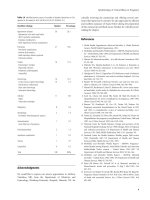
Table 7.5 Relevant maternal physiologic changes in pregnancy and their effect on CPR [66,70,71] .
Measured parameter Direction of change Values in normal pregnancy Effect on CPR
Respiratory
Pharyngeal edema Increases – May need smaller endotracheal tube, increases diffi culty with
intubation and airway control
Minute ventilation Increases 50% – Increased development of hypercarbia
Oxygen consumption Increases 20% – More rapid development of hypoxia
FRC Decreases 20% – More rapid development of hypoxia
Arterial PCO
2
Decreases 28 – 32 torr
Serum bicarbonate Decreases 18 – 21 mEq/L Decreased acid buffering capability
Chest wall compliance Decreases – More diffi cult intubation, increased ventilation pressures
Cardiovascular
Cardiac output Increases 50%
6.2 ± 1.0 L/min
Increases the circulatory demand during CPR
Blood volume Increases 30 – 50% – Dilutional anemia with decreased O
2
carrying capacity
Heart rate Increases 15 – 20%
83 ± 10 beats/min
SVR Decreases 20%
1210 ± 256 dynes/sec/cm
− 5
COP Decreases 15%
18 ± 1.5 mmHg
Propensity to pulmonary edema
PCWP Decreases
7.5 ± 1.8 mmHg
Aortocaval compression Increases – Lateral uterine displacement required to maintain venous return and
hence cardiac output
Hematologic
Most clotting factors Increase – Propensity to thrombosis; thromboembolic disease high on
differential diagnosis
Gastrointestinal
Motility Decreases – Increased risk of aspiration, need to protect airway
Lower esophageal sphincter tone Decreases – Increased risk of aspiration, need to protect airway
Renal
Compensated respiratory alkalosis Increases – Modifi cation of target values and increase ventilation required, avoid
bicarbinate in CPR
Glomerular fi ltration rate Increases – Drug clearance may be modifi ed
but consider high dose for prolonged, resistant cardiac arrest
[45] . Spohr et al. recently summarized the current data regarding
drug therapy for CPR [45] . Adenosine, lidocaine, procainamide,
and beta - blockers, also used in the treatment of tachyarrhyth-
mias, all appear to be safe in pregnancy [46] .
Resuscitators should remember that during pregnancy, the
volume of distribution and drug metabolism may vary from non -
pregnant norms. Page [47] reviewed the multiple factors contrib-
uting to altered therapeutic blood levels of drugs in pregnancy.
They include increased intravascular volume, reduced drug
protein binding, increased clearance of renally excreted drugs,
progesterone - activated increased hepatic metabolism, and altered
gastrointestinal absorption due to changes and gastric secretion
and gut motility. The agents used in ACLS are recommended in
standard doses. However, if the victim does not respond to stan-
dard doses, higher doses should be considered to account for the
expanded plasma volume of pregnancy.
Modifi cations of b asic l ife s upport and
a dvanced c ardiac l ife s upport in p regnancy
The anatomic and physiologic changes of pregnancy require
several modifi cations in ECC (Tables 7.5 & 7.6 ). Most important,
to affect an increase in venous return and reduced supine hypo-
tension, the uterus must be displaced to the left. Left lateral dis-
placement can be achieved by: (i) manual displacement of the
uterus by a member of the resuscitation team; (ii) positioning of
the patient on an operating room table that can be tilted laterally;
(iii) positioning a wedge under the right hip; (iv) using a Cardiff
resuscitation wedge or (v) using a human wedge [48] . The human
wedge kneels on the fl oor with the patient ’ s back placed on the
thighs of the human wedge. The human wedge uses one arm to
stabilize the patient ’ s shoulder and the other arm to stabilize the
pelvis. The human wedge maneuver has the advantage that it may
Chapter 7
102
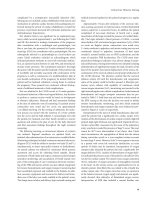
Table 7.6 Primary and secondary ABCD surveys: modifi cations for pregnant women. Reproduced from [72] .
ACLS Approach Modifi cations to BLS and ACLS Guidelines
Primary ABCD Survey
Airway No modifi cations.
Breathing No modifi cations.
Circulation Place the woman on her left side with her back angled 15 ° to 30 ° back from the left lateral position. Then start chest
compressions.
or
Place a wedge under the woman ’ s right side (so that she tilts toward her left side).
or
Have one rescuer kneel next to the woman ’ s left side and pull the gravid uterus laterally. This maneuver will relieve pressure on
the inferior vena cava.
Defi brillation No modifi cations in dose or pad position.
Defi brillation shocks transfer no signifi cant current to the fetus.
Remove any fetal or uterine monitors before shock delivery.
Secondary ABCD Survey
Airway Insert an advanced airway early in resuscitation to reduce the risk of regurgitation and aspiration.
Airway edema and swelling may reduce the diameter of the trachea. Be prepared to use a tracheal tube that is slightly smaller
than the one you would use for a non - pregnant woman of similar size.
Monitor for excessive bleeding following insertion of any tube into the oropharynx or nasopharynx.
No modifi cations to intubation techniques. A provider experienced in intubation should insert the tracheal tube.
Effective preoxygenation is critical because hypoxia can develop quickly.
Rapid sequence intubation with continuous cricoid pressure is the preferred technique.
Agents for anesthesia or deep sedation should be selected to minimize hypotension.
Breathing No modifi cations of confi rmation of tube placement. Note that the esophageal detector device may suggest esophageal
placement despite correct tracheal tube placement.
The gravid uterus elevates the diaphragm:
Patients can develop hypoxemia if either oxygen demand or pulmonary function is compromised. They have less reserve
because functional residual capacity and functional residual volume are decreased. Minute ventilation and tidal volume are
increased.
Tailor ventilatory support to produce effective oxygenation and ventilation.
Circulation Follow standard ACLS recommendations for administration of all resuscitation medications.
Do not use the femoral vein or other lower extremity sites for venous access. Drugs administered through these sites may not
reach the maternal heart unless or until the fetus is delivered.
Differential diagnosis and decisions Decide whether to perform emergency hysterotomy.
Identify and treat reversible causes of the arrest. Consider causes related to pregnancy and causes considered for all ACLS
patients (see the 6 H ’ s and 6 T ’ s, in Part 7.2: “ Management of Cardiac Arrest ” ).
be employed without equipment, utilizing an untrained person.
Its obvious disadvantage of the wedge is that it must be displaced
when defi brillation becomes necessary. The back of an upside
down chair may also function as a leaning post to support a
woman in a laterally tilted position.
The maternal propensity for hypoxia and hypercapnia (which
lead to decreases in utero placental perfusion) suggests that the
pregnant woman may benefi t from sodium bicarbonate in an
arrest situation in order to keep maternal pH greater than 7.10.
This idea is hazardous and should be discarded. Sodium bicar-
bonate crosses the placenta very slowly. Accordingly, with rapid
correction of maternal metabolic acidosis, her respiratory com-
pensation will cease with normalization of her PCO
2
toward the
non - pregnant state. For example, if the maternal PCO
2
increases
from 20 to 40 mmHg as a result of bicarbonate administration,
fetal PCO
2
will also increase. However, the fetus will not receive
the benefi t of the bicarbonate. If the fetal pH was 7.0 before
maternal bicarbonate administration, the normalization of
maternal pH will be achieved at the expense of increasing the fetal
PCO
2
by 20 mmHg, resulting in a reduction in fetal pH to
Cardiopulmonary Resuscitation in Pregnancy
103
approximately 6.84. Even in the non - pregnant state, sodium
bicarbonate is considered potentially harmful in patients with
hypoxic lactic acidosis, such as commonly occurs in non - intu-
bated patients undergoing prolonged cardiopulmonary arrest.
Carbon dioxide generated in tissues is not well cleared by low
blood fl ow [49] . Adequate ventilation and restoration of perfu-
sion are the mainstays of control of acid – base balance during
cardiac arrest. The buffering of blood with bicarbonate does not
benefi t the patient [50] .
Thrombolytic t herapy
Unfractionated and low molecular weight heparins have been
used extensively during pregnancy. In cases of acute cardiopul-
monary thrombosis, therapy with these agents has proven helpful
in both non - pregnant and pregnant patients. There is much less
data regarding the use of other thrombolytic therapies during
pregnancy including recombinant tissue plasminogen activators
(TPA). Generally, pregnancy is considered a contraindication to
TPA therapy but there are several case reports of successful use
during pregnancy [51 – 53] . The use of such agents increases the
risk of hemorrhage, particularly in the scenario when operative
delivery has or is likely to occur. Nonetheless, the use of these
agents should not be completely excluded when alternative
therapies have been unsuccessful.
Complications and a ftercare of
c ardiopulmonary r esuscitation
d uring p regnancy
Unfortunately, CPR is rarely effective in restoring spontaneous
circulation and permitting neurologically intact recovery to hos-
pital discharge. Successful resuscitation is reported in 6 – 15% of
patients suffering in - hospital cardiac arrest [54,55] . In pregnancy,
survival may be even less likely given the maternal physiologic
changes that predispose her to rapid hypoxia and complicated
resuscitative efforts. Fortunately, the paucity of underlying
disease may improve the likelihood of success.
For survivors, cardiopulmonary resuscitation may impose sec-
ondary complications on both mother and fetus. Ongoing sup-
portive and therapeutic care will be necessary, paying careful
attention to common areas of injury and ongoing risk. Care is
best accomplished by a multidisciplinary team. Neonatal and
maternal care providers should assess for injuries. Maternal inju-
ries may include: (i) fractures of ribs and sternum; (ii) hemotho-
rax and hemopericardium; (iii) rupture of internal organs
(especially the spleen and uterus); and (iv) lacerations of organs
(most notably the liver). Damaging effects to the fetus consist of
central nervous toxicity from medications and reduced uteropla-
cental perfusion with possible fetal hypoxemia and acidemia.
Fetal monitoring may be used to assess ongoing fetal status;
however, maternal resuscitation should be the primary goal.
Perimortem c esarean d elivery
Historically, perimortem cesarean delivery (PMCD) was a widely
accepted practice. In fact, the term cesarean developed from the
Roman period (715 – 763 BC) when PMCD was practiced under
the law of Caesar ( lex Cesare ), not for maternal or fetal benefi t,
rather to allow woman and children to be buried separately for
religious ritual [56] . In ancient Greek mythology the fi rst cesar-
ean section was performed by Apollo, on his wife Coronois, as
she was being burned on a funeral pyre. Their son, Asclepius, is
said to be the demigod of medicine and healing. The Staff of
Asclepius, a rod entwined with a single serpent, has become the
symbol for physicians across the globe.
The fi rst documented case of maternal survival from a PMCD
took place in Switzerland, when a farmer named Jacob Nufer
performed a cesarean delivery on his own wife [57] . Since then,
over 250 reports of maternal survival from PMCD have been
described. Recognition that the gravid uterus may prevent proper
CPR techniques by restoring adequate cardiac output, has led
many to theorize that immediate PMCD may assist in maternal
resuscitation. The theory is that the low - resistance, high - volume
uteroplacental unit sequesters blood and hinders effective CPR.
Delivery leads to a decrease in aortocaval obstruction, and
increase in effectiveness of compressions, and an increase in
maternal cardiac output. In a recent review by Katz et al., 12 of
22 case reports showed a sudden and often dramatic improve-
ment in pulseless gravidas following uterine evacuation [58] .
When considering PMCD, several factors need to be addressed.
Clearly, the timing of the operation is critical for infant survival.
Survival appears to be inversely proportional to the time between
the mother ’ s cardiac arrest and her delivery. In 1986, Katz et al.
introduced the idea of the “ 4 - minute rule ” for PMCD, basing
their recommendations on the idea that maternal neurologic
injury would commence 6 minutes after the cessation of cerebral
perfusion [59] . If delivery is accomplished within 5 minutes of
maternal cardiac arrest, intact neurologic survival is likely [15,59] .
Beyond 15 minutes, neonatal death or impaired survival is gener-
ally seen. Primate studies confi rm brain damage in utero with as
little as 6 minutes of complete asphyxia and severe cellular
damage occurring by 8 minutes [60] . Nonetheless scattered
reports describe infant survival at longer intervals following
arrest, implying that cesarean delivery should be performed post
arrest if signs of fetal life are still present [61,62] .
In light of the evolving timing of the limits of fetal viability,
one group of authors attempted to develop an algorithm to assist
clinicians in determining when and who would benefi t from a
postmortem cesarean section [36] . The “ potentially salvageable ”
infant was defi ned as an estimated gestational age of at least 26
weeks with the confi rmation of fetal cardiac activity by Doppler
ultrasound. In this group, 75% of the infants survived. The
authors postulated that 60% of the infant deaths may have been
avoided by earlier recognition of fetal distress and earlier cesarean
delivery. With evolving technology, determination of what
Chapter 7
104
gestational age defi nes fetal viability will be left to the discretion
of the delivering physician and the resources available for neona-
tal resuscitation. To date, we have not identifi ed any lawsuits
brought against physicians for the wrongful performance of a
PMCD.
The 4 - minute limit to initiate delivery, as advocated by Katz
and colleagues [58,59] and the American College of Obstetricians
and Gynecologists is derived from the theoretical physiologic
advantages for resuscitating the mother, as well as from extrapo-
lation of data on infant survival. While such data suggests an ideal
arrest - to - delivery interval, in actual practice these goals are rarely
achieved. It must be emphasized that no data exist to prospec-
tively document actual maternal benefi ts of perimortem cesarean
section. There are many anecdotal examples of improved mater-
nal response to resuscitation after perimortem cesarean. However,
maternal death remains the most likely outcome regardless of
arrest - to - delivery interval. None - the - less, in light of both the
anecdotal experiences suggesting benefi t to mother and fetus, and
the dismal outcomes without intervention, we support the
concept of the 4 - minute rule based on the currently available
evidence. In the setting of perimortem cesarean section per-
formed for the likely salvageable fetus, the staff should be well
versed in the techniques of neonatal resuscitation as these infants
are likely to suffer from respiratory and circulatory depression at
birth. Women with chronic illnesses are less likely to have a
normal surviving infant by perimortem cesarean section, com-
pared to previously healthy women who suffer cardiac arrest
following an acute obstetric event.
The n eurologically i mpaired p atient
f ollowing r esuscitation
On the rare occasion when a patient is successfully resuscitated
but left brain dead and a cesarean section has not been per-
formed, several medical, social, ethical and legal dilemmas follow.
In most circumstances, advance directives are not available to
guide the physician in the decision - making process. A decision
must be made, based on gestational age, family wishes (or medical
power of attorney), and available resources, on whether to extend
the maternal life for fetal benefi t.
To arrive at a decision involving the prolongation of pregnancy
in a brain - dead pregnant patient, the physician must be guided
by basic ethical and legal principles. If an advance directive is
available and deemed lawful, it must be interpreted within the
context of the situation and with the patient ’ s values in mind. If
a durable power of attorney or next of kin are not available, or if
there is confl ict within the family, then legal counsel is recom-
mended. Keep in mind that the decision to prolong maternal life
for the benefi t of the fetus must fi rst be consistent with the values
of the patient as determined by the next of kin. Historically,
gestational age at the timing of the event was often cited as the
most important variable, with the assumption that prolongation
of a pregnancy was rarely successful beyond 2 – 4 weeks, and thus
should only be considered in the gravid women beyond 24 weeks
gestational age [63] . However, more recent cases have demon-
strated that pregnancy can be prolonged for as long as 204 days
following severe neurologic injury, and as early as 15 weeks gesta-
tion in a brain - dead patient [64,65] . Therefore, the more relevant
questions for the physician and family are if prolongation of the
pregnancy is what the patient would have wanted and if so, when
is the appropriate time for delivery to optimize the health of the
neonate?
If the decision is made to prolong the pregnancy, a unique
set of medical complications must also be addressed in anticipa-
tion of expected physiologic changes following brain death.
Discussion of the somatic support of a brain dead gravida is
beyond the scope of this chapter, but is covered comprehensively
in a review by Mallampalli and colleagues [66] .
Case p resentation
A 22 - year - old primigravida was admitted to the hospital for mild
pre - eclampsia and preterm contractions at 32 weeks. Her preg-
nancy was remarkable for a 12 - year history of insulin - dependent
diabetes. Her blood sugar control was reasonable on an insulin
pump. She had no overt consequences of microvascular injury.
She was given pneumatic compression stockings for use while in
bed. The 2 - week admission was remarkable for episodes of short-
ness of breath associated with ambulation and with pneumatic
compression stocking use. She was evaluated clinically. Chest
X - ray, pulse oximetry, and an ECG were performed. Throm-
boembolic disease was entertained but ultimately considered
unlikely. Because of the discomfort with the compression stock-
ings they were discontinued and she was started on thrombopro-
phylactic doses of heparin. She labored spontaneously in the 36th
week but had arrest of dilatation at 8 cm.
After unsuccessful oxytocin labor stimulation, she was taken
for cesarean section on a weekend morning. The delivery occurred
using the labor epidural from a recumbent position with a left
lateral tilt. Just as the rectus fascia was incised, she suddenly
expressed great anxiety, attempted to sit up and then collapsed
unresponsive. Cardiac monitoring initially showed bradycardia
to the 40s and then became erratic. There was no palpable pulse.
Within the fi rst 2 minutes of the event, a hospital “ code blue ” was
initiated, the baby was quickly delivered, endotracheal intubation
was attempted and chest compressions begun. The initial intuba-
tion was unsuccessful and bag/mask ventilation was performed.
Two 1 - mg doses of epinephrine followed by 1 mg of atropine
were given intravenously without response. Lidocaine and
calcium were given and a second attempt at endotracheal intuba-
tion was successful within 4 minutes into the resuscitation. The
cardiac monitors showed only a fl at line tracing.
External cardiac monitors were disconnected. Cardioversions
with 200, 360 and 360 J were attempted with intermittent CPR
and rhythm monitoring without a positive response. Four mg of
epinephrine was given intravenously; there was no response.
Cardiopulmonary Resuscitation in Pregnancy
105
Eight minutes into the resuscitation, the potential etiologies of
the arrest were reviewed. Given the absence of an apparent coagu-
lopathy, anaphalactoid syndrome of pregnancy was considered
unlikely. However, the history of previous events, now more sus-
picious for possible thromboembolic phenomenon, put a large
pulmonary embolism at the top of the differential diagnoses. The
pulseless electrical activity (PEA) identifi ed earlier in the resusci-
tation supported this possibility.
Left lateral thoracotomy and pericardotomy were performed
and open cardiac massage was initiated. Within 30 seconds a
palpable beat was noted with subsequent beats following in
increasingly rapid succession. By 12 – 15 minutes into the resusci-
tation the patient had a sustained rhythm and a blood pressure
of 70/40. Bilateral chest tubes were placed. She was given 80
mg/kg of heparin. An hour into the resuscitation a portable pul-
monary arteriogram demonstrated bilateral distal fi lling defects
in the pulmonary vasculature. Ultimately, to maintain an ade-
quate blood pressure, the patient was given multiple 4 - mg doses
of epinephrine. She needed levoephedrin, dopamine and neosyn-
ephrin drips and required cardiac massage on two subsequent
occasions to maintain an adequate cardiac output. She received
a total of 10 units of packed red blood cells during the fi rst 4 hours
of the resuscitation and 2 units of FFP. Crystalloid fl uids were
limited to 800 mL during the fi rst 3 hours. Three hours into the
resuscitation her pupils were fi xed and dilated. There was no
response to stimulation despite the fact that no pharmacologic
sedation had been given. The patient was warmed, the wounds
closed and she was transferred to the ICU. Within 18 hours of
the arrest she was appropriately responsive. She was extubated
within 72 hours. She was discharged from the hospital on post
arrest day 40 with moderate lower extremity spasticity and short -
term memory loss but otherwise neurologically intact. Her
cardiac output at discharge was 25%. Over the course of 2 years
her cardiac and neurologic function completely normalized. The
baby has done well.
Summary
Sudden cardiac arrest is uncommon in pregnancy and is usually
catastrophic when it occurs. Because SCA arrest in pregnancy is
a rare event, medical facilities and personnel must maintain com-
petency by training and practice. While successful resuscitation
is uncommon, early aggressive resuscitation by well - trained and
skilled attendants improves the likelihood of survival.
The latest guidelines for CPR by the American Heart Association
make several recommendations for change from the previous
algorithms. Pregnancy necessitates several modifi cations to stan-
dard CPR that include displacement of the uterus off the vena
cava to facilitate venous return. Modifi cations to pharmacologic
or electrical therapy are usually not necessary.
Immediate action is critical for both mother and baby. In preg-
nant and non - pregnant individuals there is a window of oppor-
tunity in the fi rst 5 minutes after the arrest. This short window
of time includes decisions about and performance of emergency
cesarean section if that course is elected. Urgent cesarean delivery
in SCA victims may be of benefi t to both mother and baby.
Precisely because SCA is an uncommon event on the labor and
delivery unit, it is often unexpected. Thus, training and drilling
for such events should be a priority in order to maintain a state
of alert and readiness by hospital personnel. We concur with
Morris and colleagues [67] that the best opportunity for good
outcome occurs when inertia can be avoided. We must avoid (i)
the inertia of fear that proven procedures and medications in
non - pregnant patients will adversely affect the fetus, (ii) the
inertia of indecision about emergent surgical delivery, (iii) the
inertia of hopelessness for the desperately ill mother, delivered or
undelivered, and (iv) the peculiarly American condition of medi-
colegal dystocia.
References
1 Zheng ZJ et al. Sudden cardiac death in the United States, 1989 to
1998 . Circulation 2001 ; 104 : 2158 – 2163 .
2 Thel MC , O ’ Connor CM . Cardiopulmonary resuscitation: historical
perspective to recent investigations . Am Heart J 1999 ; 137 : 39 – 48 .
3 Cobb LA et al. Changing incidence of out - of - hospital ventricular
fi brillation, 1980 – 2000 . JAMA 2002 ; 288 : 3008 – 3013 .
4 2005 American Heart Association Guidelines for Cardiopulmonary
Resuscitation and Emergency Cardiovascular Care . Circulation 2005 ;
112 ( 24 Suppl ): IV1 – 203 .
5 Dildy GA , Clark SL . Cardiac arrest during pregnancy . Obstet Gynecol
Clin North Am 1995 ; 22 : 303 – 314 .
6 Pandey U , Russell IF , Lindow SW . How competent are obstetric and
gynaecology trainees in managing maternal cardiac arrests? J Obstet
Gynaecol 2006 ; 26 : 507 – 508 .
7 2005 American Heart Association Guidelines for Cardiopulmonary
Resuscitation and Emergency Cardiovascular Care . Circulation 2005 ;
112 ( 24 Suppl ): 116 .
8 Berg CJ et al. Pregnancy - related mortality in the United States,
1991 – 1997 . Obstet Gynecol 2003 ; 101 : 289 – 296 .
9 Heit JA et al. Trends in the incidence of venous thromboembolism
during pregnancy or postpartum: a 30 - year population - based study .
Ann Intern Med 2005 ; 143 : 697 – 706 .
10 James AH et al. Acute myocardial infarction in pregnancy: a United
States population - based study . Circulation 2006 ; 113 : 1564 – 1571 .
11 Phillips LM et al. Coronary artery dissection during pregnancy treated
with medical therapy . Cardiol Rev 2006 ; 14 : 155 – 157 .
12 Martin SR , Foley MR . Intensive care in obstetrics: an evidence - based
review . Am J Obstet Gynecol 2006 ; 195 : 673 – 689 .
13 Tuffnell DJ . United Kingdom amniotic fl uid embolism register . BJOG
2005 ; 112 : 1625 – 1629 .
14 Samuelsson E , Hellgren M , Hogberg U . Pregnancy - related deaths due
to pulmonary embolism in Sweden . Acta Obstet Gynecol Scand 2007 ;
86 : 435 – 443 .
15 Clark SL et al. Amniotic fl uid embolism: analysis of the national
registry . Am J Obstet Gynecol 1995 ; 172 ( 4 Pt 1 ): p. 1158 – 1167 ; discus-
sion 1167 – 1169.
16 De Jong MJ , Fausett MB . Anaphylactoid syndrome of pregnancy. A
devastating complication requiring intensive care . Crit Care Nurse
2003 ; 23 : 42 – 48 .
Chapter 7
106
17 Garner EG , Smith CV , Rayburn WF . Maternal respiratory arrest asso-
ciated with intravenous fentanyl use during labor. A case report . J
Reprod Med 1994 ; 39 : 818 – 820 .
18 Swartjes JM , Schutte MF , Bleker OP . Management of eclampsia: car-
diopulmonary arrest resulting from magnesium sulfate overdose . Eur
J Obstet Gynecol Reprod Biol 1992 ; 47 : 73 – 75 .
19 Richards A , Stather - Dunn L , Moodley J . Cardiopulmonary arrest
after the administration of magnesium sulphate. A case report . S Afr
Med J 1985 ; 67 : 145 .
20 McCubbin JM et al. Cardiopulmonary arrest due to acute maternal
hypermagnesaemia . Lancet 1981 ; 1 ( 8228 ): p. 1058 .
21 American Heart Association . Textbook of Basic Life Support for Health -
Care Providers . Dallas : American Heart Association , 1994 .
22 Eisenberg MS , Bergner L , Hallstrom A . Cardiac resuscitation in the
community. Importance of rapid provision and implications for
program planning . JAMA 1979 ; 241 : 1905 – 1907 .
23 Barnes TA et al. Cardiopulmonary resuscitation and emergency car-
diovascular care. Airway devices . Ann Emerg Med 2001 ; 37 ( 4 Suppl ):
S145 – S151 .
24 American Heart Association . 2005 American Heart Association
Guidelines for Cardiopulmonary Resuscitation and Emergency
Cardiovascular Care . Circulation 2005 ; 112 ( 24 Suppl ):
p. IV150 – IV153 .
25 American Heart Association . 2005 American Heart Association
Guidelines for Cardiopulmonary Resuscitation and Emergency
Cardiovascular Care . Circulation 2005 ; 112 ( 24 Suppl ):
p. IV - 19 – IV - 34 .
26 Kouwenhoven WB , Jude JR , Knickerbocker GG . Closed - chest cardiac
massage . JAMA 1960 ; 173 : 1064 – 1067 .
27 Rudikoff MT et al. Mechanisms of blood fl ow during cardiopulmo-
nary resuscitation . Circulation 1980 ; 61 : 345 – 352 .
28 Werner JA et al. Visualization of cardiac valve motion in man during
external chest compression using two - dimensional echocardiogra-
phy. Implications regarding the mechanism of blood fl ow . Circulation
1981 ; 63 : 1417 – 1421 .
29 Ogburn PL Jr et al. Paroxysmal tachycardia and cardioversion during
pregnancy . J Reprod Med 1982 ; 27 : 359 – 362 .
30 Nanson J et al. Do physiological changes in pregnancy change defi -
brillation energy requirements? Br J Anaesth 2001 ; 87 : 237 – 239 .
31 Sapsford W et al. Recombinant activated factor VII increases survival
time in a model of incompressible arterial hemorrhage in the anes-
thetized pig . J Trauma 2007 ; 62 : 868 – 879 .
32 Franchini M , Lippi G , Franchi M . The use of recombinant activated
factor VII in obstetric and gynaecological haemorrhage . BJOG 2007 ;
114 : 8 – 15 .
33 Haynes J , Laffan M , Plaat F . Use of recombinant activated factor VII
in massive obstetric haemorrhage . Int J Obstet Anesth 2007 ; 16 :
40 – 49 .
34 Palomino MA et al. Recombinant activated factor VII in the manage-
ment of massive obstetric bleeding . Blood Coagul Fibrinolysis 2006 ;
17 : 226 – 227 .
35 Ahonen J , Jokela R . Recombinant factor VIIa for life - threatening
post - partum haemorrhage . Br J Anaesth 2005 ; 94 : 592 – 595 .
36 Morris JA Jr et al. Infant survival after cesarean section for trauma .
Ann Surg 1996 ; 223 : 481 – 488 ; discussion 488 – 491.
37 Varma R . Caesarean section after cardiac arrest . BMJ 2003 . See http://
www.bmj.com/cgi/eletters/327/7426/1277#41863 .
38 Lee RV et al. Cardiopulmonary resuscitation of pregnant women . Am
J Med 1986 ; 81 : 311 – 318 .
39 Briggs GG , Freeman RK , Yaffe SJ , eds. Drugs in Pregnancy and
Lactation , 6th edn. Philadelphia : Lippincott Williams and Wilkins ,
2002 : 1595 .
40 Daga MK , Singh KJ , Kumar N . Emerging role of vasopressin . J Assoc
Physicians India 2006 ; 54 : 376 – 380 .
41 Miano TA , Crouch MA . Evolving role of vasopressin in the treatment
of cardiac arrest . Pharmacotherapy 2006 ; 26 : 828 – 839 .
42 Choux C et al. Standard doses versus repeated high doses of epineph-
rine in cardiac arrest outside the hospital . Resuscitation 1995 ; 29 :
3 – 9 .
43 Berg RA et al. High - dose epinephrine results in greater early mortality
after resuscitation from prolonged cardiac arrest in pigs: a prospec-
tive, randomized study . Crit Care Med 1994 ; 22 : 282 – 290 .
44 Polin K , Leikin JB . High - dose epinephrine in cardiopulmonary resus-
citation . JAMA 1993 ; 269 : 1383 ; author reply 1383 – 1384.
45 Spohr F , Wenzel V , Bottiger BW . Drug treatment and thrombolytics
during cardiopulmonary resuscitation . Curr Opin Anaesthesiol 2006 ;
19 : 157 – 165 .
46 Rubin PC . Current concepts: beta - blockers in pregnancy . N Engl J
Med 1981 ; 305 : 1323 – 1326 .
47 Page RL , Hamdan MH , Joglar JA . Arrhythmias occurring during
pregnancy . Card Electrophysiol Rev 2002 ; 6 ( 1 – 2 ): p. 136 – 139 .
48 Goodwin AP , Pearce AJ . The human wedge. A manoeuvre to relieve
aortocaval compression during resuscitation in late pregnancy .
Anaesthesia 1992 ; 47 : 433 – 434 .
49 Adrogue HJ et al. Assessing acid - base status in circulatory failure.
Differences between arterial and central venous blood . N Engl J Med
1989 ; 320 : 1312 – 1316 .
50 American Heart Association , Part 7.4: Monitoring and medications .
Circulation 2005 ; 112 ( 24 suppl ): p. IV78 – IV83 .
51 Johnson DM et al. Thrombolytic therapy for acute stroke in late
pregnancy with intra - arterial recombinant tissue plasminogen activa-
tor . Stroke 2005 ; 36 : e53 – e55 .
52 Murugappan A et al. Thrombolytic therapy of acute ischemic stroke
during pregnancy . Neurology 2006 ; 66 : 768 – 770 .
53 Ahearn GS et al. Massive pulmonary embolism during pregnancy
successfully treated with recombinant tissue plasminogen activator: a
case report and review of treatment options . Arch Intern Med 2002 ;
162 : 1221 – 1227 .
54 Diem SJ , Lantos JD , Tulsky JA . Cardiopulmonary resuscitation on
television. Miracles and misinformation . N Engl J Med 1996 ; 334 :
1578 – 1582 .
55 Karetzky M , Zubair M , Parikh J . Cardiopulmonary resuscitation in
intensive care unit and non - intensive care unit patients. Immediate
and long - term survival . Arch Intern Med 1995 ; 155 : 1277 – 1280 .
56 Ritter JW . Postmortem cesarean section . JAMA 1961 ; 175 : 715 – 716 .
57 Weber CE . Postmortem cesarean section: review of the literature and
case reports . Am J Obstet Gynecol 1971 ; 110 : 158 – 165 .
58 Katz V , Balderston K , DeFreest M . Perimortem cesarean delivery:
were our assumptions correct? Am J Obstet Gynecol 2005 ; 192 :
1916 – 1920 ; discussion 1920 – 1921.
59 Katz VL , Dotters DJ , Droegemueller W . Perimortem cesarean deliv-
ery . Obstet Gynecol 1986 ; 68 : 571 – 576 .
60 Windle WF . Brain damage at birth. Functional and structural modi-
fi
cations with time . JAMA 1968 ; 206 : 1967 – 1972 .
61 Kaiser RT . Air embolism death of a pregnant woman secondary to
orogenital sex . Acad Emerg Med 1994 ; 1 : 555 – 558 .
62 Selden BS , Burke TJ . Complete maternal and fetal recovery after
prolonged cardiac arrest . Ann Emerg Med 1988 ; 17 : 346 – 349 .
Cardiopulmonary Resuscitation in Pregnancy
107
63 Dillon WP et al. Life support and maternal death during pregnancy .
JAMA 1982 ; 248 : 1089 – 1091 .
64 Bernstein IM et al. Maternal brain death and prolonged fetal survival .
Obstet Gynecol 1989 ; 74 ( 3 part 2 ): p. 434 – 437 .
65 Sim KB . Maternal persistent vegetative state with successful fetal
outcome . J Korean Med Sci 2001 ; 16 : 669 – 672 .
66 Mallampalli A , Guy E . Cardiac arrest in pregnancy and somatic
support after brain death . Crit Care Med 2005 ; 33 ( 10 Suppl ):
S325 – S331 .
67 Morris S , Stacey M . Resuscitation in pregnancy . BMJ 2003 ; 327 ( 7426 ):
1277 – 1279 .
68 American Heart Association . 2005 American Heart Association
Guidelines for Cardiopulmonary Resuscitation and Emergency
Cardiovascular Care . Circulation 2005 ; 112 ( 24 Suppl ):
IV - 12 – IV - 18 .
69 Mallampalli A , Powner DJ , Gardner MO . Cardiopulmonary resusci-
tation and somatic support of the pregnant patient . Crit Care Clin
2004 ; 20 : 747 – 761 , x.
70 Clark SL et al. Central hemodynamic assessment of normal term
pregnancy . Am J Obstet Gynecol 1989 ; 161 ( 6 Pt 1 ): 1439 – 1442 .
71 Fujitani S , Baldisseri MR . Hemodynamic assessment in a pregnant
and peripartum patient . Crit Care Med 2005 ; 33 ( 10 Suppl ):
S354 – S361 .
72 American Heart Association . 2005 American Heart Association
Guidelines for Cardiopulmonary Resuscitation and Emergency
Cardiovascular Care . Circulation 2005 ; 112 ( 24 Suppl ): p. IV152 .
108
Critical Care Obstetrics, 5th edition. Edited by M. Belfort, G. Saade,
M. Foley, J. Phelan and G. Dildy. © 2010 Blackwell Publishing Ltd.
8
Neonatal Resuscitation
Christian Con Yost & Ron Bloom
Department of Neonatology, University of Utah Health Sciences, Salt Lake City, UT, USA
Introduction
Under normal circumstances, the transition from womb to world
is a series of dramatic and rapid physiologic changes leading to
the birth of an infant prepared to continue the processes of
growth and development. The goal of delivering a healthy infant
intact ready to continue normal development is, unfortunately,
not always possible. Pregnancies and/or deliveries complicated by
common and uncommon conditions, discussed throughout this
text, are at increased risk of failing to successfully make the transi-
tion to extrauterine life. Modern diagnostic tools often, but not
always, allow for anticipation of infants at risk of not making a
successful transition, and, thus, permit the perinatal team to plan
for neonatal resuscitation and/or medically necessary interven-
tions. However, more acute and often unanticipated conditions
such as a sudden prolapsed cord, an abruption or a previously
unrecognized congenital anomaly may result in the need for an
unanticipated, but nevertheless, skillful resuscitation.
At birth, neonatal resuscitation may be necessary. However,
because it is not possible to predict every infant who may require
resuscitation, the ability to conduct an effective resuscitation is
an integral part of the considerations and planning for any deliv-
ery. Regardless of level of care, a trained and experienced team,
readily available, is an integral part of perinatal care. These teams
must be provided with appropriate and well functioning equip-
ment needed to resuscitate a newborn [1] . Skilled and experi-
enced personnel with the right equipment can usually intervene
successfully on a compromised infant ’ s behalf.
The approach to neonatal resuscitation has continually changed
since the late 1980s when the teaching of neonatal resuscitation
became commonplace. Over the last 20 years, we have reconsid-
ered our approach to resuscitation and have questioned some of
our previous assumptions. We are now considering approaches
to assisted ventilation and the use of oxygen from a whole new
perspective.
This chapter will not address the details of exactly how to
perform a resuscitation. This is very well taught in the Neonatal
Resuscitation Program of the American Academy of Pediatrics/
American Heart Association [2] and the details exceed the bounds
of this chapter. What we will discuss are some of the new ideas,
approaches and principles as well as some basic elements of neo-
natal resuscitation. In this context, we will discuss the role of
continuous positive airway pressure versus intermittent manda-
tory ventilation. We will also discuss the growing dialogue regard-
ing the use of oxygen in the resuscitative process.
Elements of b irth d epression
Causes of b irth d epression
While all deliveries involve a complex physiologic transition at
birth, infants of those mothers cared for by the high - risk obstetric
team, especially if premature, are at a greater risk of birth depres-
sion. The newborn infant may be depressed at birth through a
variety of mechanisms, some of which are unrelated to asphyxia.
Birth depression requiring resuscitation of a neonate cannot
always be predicted, but at least among infants born of high - risk
pregnancies, it should be expected.
Maternal or placental conditions can result in birth depression.
For example, diminished uterine blood fl ow may result from
maternal hypotension, eclampsia, regional anesthesia or uterine
contractions. Placental abnormalities such as an abruption,
edema, or infl ammatory changes may reduce placental gas
exchange. Fetoplacental blood fl ow may also be compromised
due to sustained and unrelieved cord compression from a nuchal
or prolapsed umbilical cord.
Compromising conditions or events may also be primarily fetal
in origin. These include drug - induced central nervous system
(CNS) depression, CNS anomalies, spinal cord injury, mechani-
cal airway obstruction, pulmonary immaturity, congenital anom-
alies and infection. All of these events or conditions, maternal and