Spinal Disorders: Fundamentals of Diagnosis and Treatment Part 98 pot
Bạn đang xem bản rút gọn của tài liệu. Xem và tải ngay bản đầy đủ của tài liệu tại đây (374.11 KB, 10 trang )
h
i
jk
Case Study 3 (Cont.)
tumor. The axial T2W
scans (
c) demonstrated
extension to the ribcage.
A biopsy revealed the his-
tological diagnosis of a
Grade II chondrosarcoma.
No metastases were dis-
covered. An en bloc resec-
tion was planned. The
lines indicate the level of
osteotomies of the lami-
nae, pedicles and ribs.
Theskinwiththebiop-
sy channel was excised
(
d). Prior to tumor resec-
tion, the spine was instru-
mented with pedicle
screws at T3–T12 on the
right side and at T3, T4,
T11andT12ontheleft
side. Tumor resection was
performed along the indi-
cated lines. The en bloc
resection was done with
serial contralateral lami-
notomies at T5–T10 (
e),
ipsilateral pedicle osteo-
tomies at T5–T9, and rib
osteotomies at T5–T10.
An en bloc resection of
the tumor was achieved
with wide margins (
f, g).
Particularly the osteoto-
mies at the level of the
pedicles (arrows)andribs
(arrowheads)weretumor
free. The resected pleura
was covered with an arti-
ficial membrane (asterisk)
and the dura with Gel-
foam sponges (arrow-
heads). The spine was
stabilized at T3–T12 and
fusion was carried out on
the right side (
h). The
defect was covered with
an ipsilateral latissimus
dorsi flap (
i). Three years
after surgery, the patient
is functioning well
although he had initial
problems with the mobil-
ity of the left shoulder
(unstable scapula). The
follow-up radiographs
show the stabilization of
the spine at T3–T12 (
j, k).
Regular follow-up imag-
ing studies (MRI, and tho-
racoabdominal CT scan)
demonstrate a tumor-free
course so far.
972 Section Tumors and Inflammation
S3 a combined anterior and posterior approach is preferred [21]. The possible
disadvantages of a posterior only approach include hemorrhage and laceration of
pelvic viscera including ureters. The combined approach allows exposure of the
entire pelvic contents and safe ligation of the internal iliac vessels, which assists
in reducing bleeding during mobilization of the specimen from posteriorly. It has
been shown that the combined approach reduces the local recurrence rate in
patients with chordomas, and does not compromise the harvest and use of a ped-
icled transpelvic rectus flap for posterior wound closure [21].
Adjuv ant Treatment and Local Recurrences
The local recurrence is
directly related to the
surgical margin
There are few large studies dealing with malignant primary bone tumors of the
spine. Talac et al. [40] showed that local recurrence is directly related to the surgi-
cal margin obtained during surgery, with a fivefold increase comparing marginal
and intralesional resections over wide resections. Because primary bone tumors
are rare overall, in primary spine tumors in particular there are no randomized
studies available which have assessed the outcome of combined treatment regi-
mens. Basically, patients are treated, e.g., by chemotherapy according to the biol-
ogy of the tumor independent of the location, including spinal locations. There
are no large series which have assessed the effect of adjuvant treatment on the
outcome of patients with primary malignant spine tumors. In a recent series,
with the small numbers available, no conclusion could be drawn with respect to
adjuvant treatment except for the fact that over 90% of patients who had local
recurrences died from their disease.
Recapitulation
Epidemiology.
Primary spine tumors are relatively
rare. The incidence is estimated at 2.5 –8.5 per
100000 individuals per year. When evaluating the
potential of malignancy of a spine lesion, age of the
patient and location of the lesion are the most im-
portant parameters.
Tumor biology. Cancer is a molecular disease.Can-
cer development is determined by the five hall-
marks of cancer: unlimited replicative potential,
avoidance of apoptosis, self-sufficient proliferation,
angiogenesis and metastasis. Metastasis is the
stepwise progression which includes proliferation,
migration, invasion, intra- and extravasation, and
local growth in the target organ.
Classification. Spine tumors are classified based on
the histological diagnosis.Togetherwiththeage
of the patient and the location of the lesion, the bi-
ology can be predicted, and treatment is per-
formed accordingly.
Clinical presentation. Patients with spinal tumors
present with pain, spinal deformity and neurologic
deficit. Back pain is the most common symptom. It
is persistent and usually not related to activity, and
often aggravates during the night. Patients with
spinal tumors rarely present with a palpable mass.
Spinal instability and neurologic compromise may
arise from a lesion in the vertebral body and de-
pend on the level and location.
Diagnostic work-up. This includes laboratory inves-
tigations, imaging studies, and tumor staging with
a biopsy from the lesion. Imaging studies include
standard radiographs in two planes, CT and MRI as
well as a bone scan. Tumor staging defines the sys-
temic extent of the disease, which allows the prog-
nosistobedetermined,aswellasthelocalextent,
which is mandatory for surgical planning and
should be done in accordance with the surgeon
performing the tumor resection. The biopsy needs
to be planned such that it does not compromise
subsequent surgical resection. Serum calcium has
to be evaluated, and anemia, hypoalbuminemia
and electrolyte imbalances need to be assessed
and corrected prior to surgery.
Treatment. Non-operative treatment is only indi-
cated for benign lesions and if the patient is asymp-
Primary Tumors of the Spine Chapter 33 973
tomatic. If surgery cannot be performed for malig-
nant tumors, pain management is very important,
and radiotherapy as well as chemotherapy needs to
be taken into consideration. Surgical treatment can
be performed as curettage, intralesional or en bloc
removal of the tumor. Histologically, en bloc
removal is classified into wide, marginal or intrale-
sional resection. The goal of surgery is the com-
plete extirpation of the tumor with stable recon-
struction of the vertebral column. The surgical
approach and technique is determined by the level
and anatomic extent of the tumor lesion.
Key Articles
Hanahan D, Weinberg RA (2000) The hallmarks of cancer. Cell 100:57 – 70
Landmark paper on modern principles of carcinogenesis. This article describes the nec-
essary key steps which a cell of a given tissue has to fulfill to become cancerous.
SundaresanN,BorianiS,RothmanA,HoltzmanR(2004) Tumours of the spine. J Neu-
rooncology 69:273 – 290
This article provides a detailed overview of primary benign and malignant as well as met-
astatic bone tumors.
Fisher CG, Keynan O, Boyd MC, Dvorak MF (2005) The surgical management of primary
tumors of the spine. Spine 30:1899 –1908
This article underlines the importance of the surgical principles in the treatment of pri-
mary tumors of the spine.
Talac R, Yaszemki MJ, Currier BL, Fuchs B, Dekutoski MB, Kim CW, Sim FH (2002)Rela-
tionship between surgical margins and local recurrence in sarcomas of the spine. Clin
Orthop Rel Res 397:127 – 132
This article comprises one of the largest and most recent series on the outcome of surgical
treatment of primary bone sarcomas of the spine. It exemplifies the importance of obtain-
ing a wide surgical margin.
Fuchs B, Dickey ID, Yaszemski MJ, Inwards CY, Sim FH (2005) Operative management of
sacral chordoma. J Bone Joint Surg [Am] 87:2211 – 16
This article includes the largest series on surgically treated chordomas of the sacrum. It
shows that for lesions above the S3 level, a combined anterior-posterior approach is pre-
ferred over a posterior approach alone.
Garg S, Dormans JP (2005)Tumorsandtumor-likeconditionsofthespineinchildren.
JAmAcadOrthopSurg6:372 – 81
This article provides a comprehensive overview on tumors and tumor-like conditions in
children. It highlights the differential diagnosis of back pain in children and adolescents
and illustrates diagnostic and therapeutic options.
References
1. Algra PR, Bloem JL, Tissing H, Falke TH, Arndt JW, Verboom LJ (1991) Detection of vertebral
metastases: comparison between MR imaging and bone scintigraphy. Radiographics
11:219–32
2. Avrahami E, Tadmor R, Dally O, Hadar H (1989) Early MR demonstration of spinal metasta-
ses in patients with normal radiographs and CT and radionuclide bone scans. J Comput
Assist Tomogr 13:598–602
3. Bacci G, Savini R, Calderoni P, Gnudi S, Minutillo A, Picci P (1982) Solitary plasmacytoma of
the vertebral column. A report of 15 cases. Tumori 68:271– 5
4. Bailey CS, Fisher CG, Boyd MC, Dvorak MF (2006) En bloc marginal excision of a multilevel
cervical chordoma. Case report. J Neurosurg Spine 4:409–14
5. Bilsky MH, Boland PJ, Panageas KS, Woodruff JM, Brennan MF, Healey JH (2001) Intralesio-
nal resection of primary and metastatic sarcoma involving the spine: outcome analysis of 59
patients. Neurosurgery 49:1277–86; discussion 1286–7
6. Black P (1979) Spinal metastasis: current status and recommended guidelines for manage-
ment. Neurosurgery 5:726–46
974 Section Tumors and Inflammation
7. Body JJ (1992) Metastatic bone disease: clinical and therapeutic aspects. Bone 13 Suppl
1:S57–62
8. Boos N, Goytan M, Fraser R, Aebi M (1997) Solitary plasma-cell myeloma of the spine in an
adolescent. Case report of an unusual presentation. J Bone Joint Surg Br 79:812–4
9. Boriani S, Bandiera S, Biagini R, Bacchini P, Boriani L, Cappuccio M, Chevalley F, Gasbar-
rini A, Picci P, Weinstein JN (2006) Chordoma of the mobile spine: fifty years of experience.
Spine 31:493–503
10. Boriani S, De Iure F, Bandiera S, Campanacci L, Biagini R, Di Fiore M, Bandello L, Picci P,
Bacchini P (2000) Chondrosarcoma of the mobile spine: report on 22 cases. Spine 25:804–12
11. Boriani S, Weinstein JN, Biagini R (1997) Primary bone tumors of the spine. Terminology
and surgical staging. Spine 22:1036–44
12. Bruder E, Zanetti M, Boos N, von Hochstetter AR (1999) Chondromyxoid fibroma of two
thoracic vertebrae. Skeletal Radiol 28:286–9
13. Chin CT (2002) Spine imaging. Semin Neurol 22:205–20
14. Constans JP, de Divitiis E, Donzelli R, Spaziante R, Meder JF, Haye C (1983) Spinal metasta-
ses with neurological manifestations. Review of 600 cases. J Neurosurg 59:111–8
15. Dreghorn CR, Newman RJ, Hardy GJ, Dickson RA (1990) Primary tumors of the axial skele-
ton. Experience of the Leeds Regional Bone Tumor Registry. Spine 15:137–40
16. Enneking W (1983) Spine. New York: Churchill Livingstone, 1983: 303–354
17. Enneking WF, Spanier SS, Goodman MA (1980) A system for the surgical staging of muscu-
loskeletal sarcoma. Clin Orthop Relat Res:106–20
18. Fidler IJ (2003) The pathogenesis of cancer metastasis: the ’seed and soil’ hypothesis revis-
ited. Nat Rev Cancer 3:453–8
19. Fielding JW, Pyle RN, Jr, Fietti VG, Jr (1979) Anterior cervical vertebral body resection and
bone-grafting for benign and malignant tumors. A survey under the auspices of the Cervi-
cal Spine Research Society. J Bone Joint Surg Am 61:251–3
20. Fourney DR, Abi-Said D, Rhines LD, Walsh GL, Lang FF, McCutcheon IE, Gokaslan ZL
(2001) Simultaneous anterior-posterior approach to the thoracic and lumbar spine for the
radical resection of tumors followed by reconstruction and stabilization. J Neurosurg
94:232–44
21. Fuchs B, Dickey ID, Yaszemski MJ, Inwards CY, Sim FH (2005) Operative management of
sacral chordoma. J Bone Joint Surg Am 87:2211–6
22. Gates GF (1998) SPECT bone scanning of the spine. Semin Nucl Med 28:78–94
23. Ghelman B, Lospinuso MF, Levine DB, O’Leary PF, Burke SW (1991) Percutaneous com-
puted-tomography-guided biopsy of the thoracic and lumbar spine. Spine 16:736–9
24. Griffin JB (1978) Benign osteoblastoma of the thoracic spine. Case report with fifteen-year
follow-up. J Bone Joint Surg Am 60:833–5
25. Hanahan D, Weinberg RA (2000) The hallmarks of cancer. Cell 100:57– 70
26. Harrington KD (1986) Metastatic disease of the spine. J Bone Joint Surg Am 68:1110–5
27. Hart RA, Boriani S, Biagini R, Currier B, Weinstein JN (1997) A system for surgical staging
and management of spine tumors. A clinical outcome study of giant cell tumors of the spine.
Spine 22:1773–82; discussion 1783
28. Heary RF, Vaccaro AR, Benevenia J, Cotler JM (1998) “En-bloc” vertebrectomy in the mobile
lumbar spine. Surg Neurol 50:548–56
29. Heidecke V, Rainov NG, Burkert W (2003) Results and outcome of neurosurgical treatment
for extradural metastases in the cervical spine. Acta Neurochir (Wien) 145:873–80; discus-
sion 880–1
30. Jemal A, Murray T, Ward E, Samuels A, Tiwari RC, Ghafoor A, Feuer EJ, Thun MJ (2005)
Cancer statistics, 2005. CA Cancer J Clin 55:10–30
31. Joo KG, Parthasarathy KL, Bakshi SP, Rosner D (1979) Bone scintigrams: their clinical use-
fulness in patients with breast carcinoma. Oncology 36:94–8
32. Lang P, Johnston JO, Arenal-Romero F, Gooding CA (1998) Advances in MR imaging of
pediatric musculoskeletal neoplasms. Magn Reson Imaging Clin N Am 6:579–604
33. Min K, Espinosa N, Bode B, Exner GU (2005) Total sacrectomy and reconstruction with
structural allografts for neurofibrosarcoma of the sacrum. A case report. J Bone Joint Surg
Am 87:864–9
34. Simmons ED, Zheng Y (2006) Vertebral tumors: surgical versus nonsurgical treatment. Clin
Orthop Relat Res 443:233 –47
35. Sundaresan N (1986) Chordomas. Clin Orthop Relat Res:135–42
36. Sundaresan N, Boriani S, Rothman A, Holtzman R (2004) Tumors of the osseous spine. J
Neurooncol 69:273–90
37. Sundaresan N, DiGiacinto GV, Krol G, Hughes JE (1989) Spondylectomy for malignant
tumors of the spine. J Clin Oncol 7:1485–91
38. Sundaresan N, Steinberger AA, Moore F, Sachdev VP, Krol G, Hough L, Kelliher K (1996)
Indications and results of combined anterior-posterior approaches for spine tumor surgery.
J Neurosurg 85:438–46
39. Sweriduk ST, DeLuca SA (1987) The sclerotic pedicle. Am Fam Physician 35:161–2
Primary Tumors of the Spine Chapter 33 975
40. Talac R, Yaszemski MJ, Currier BL, Fuchs B, Dekutoski MB, Kim CW, Sim FH (2002) Rela-
tionship between surgical margins and local recurrence in sarcomas of the spine. Clin
Orthop Relat Res:127–32
41. Tomita K, Kawahara N, Baba H, Tsuchiya H, Fujita T, Toribatake Y (1997) Total en bloc spon-
dylectomy. A new surgical technique for primary malignant vertebral tumors. Spine
22:324–33
42. Weigelt B, Peterse JL, van’t Veer LJ (2005) Breast cancer metastasis: markers and models. Nat
Rev Cancer 5:591– 602
43. Yao KC, Boriani S, Gokaslan ZL, Sundaresan N (2003) En bloc spondylectomy for spinal
metastases: a review of techniques. Neurosurg Focus 15:E6
976 Section Tumors and Inflammation
34
Spinal Metastasis
Dante G. Marchesi
Core Messages
✔
Two-thirds of cancer patients develop metasta-
ses and the spine is a predilection area
✔
Pathological fractures are frequent with poten-
tial risks of neurologic complications
✔
Diagnosis should be advocated in all cancer
patients with neck or back pain
✔
MRI is the imaging modality of choice in spinal
metastases
✔
The best management concept is obtained with
a multidisciplinary team approach involving
oncologists, radiotherapists and spinal surgeons
✔
In the absence of neurologic deficit, spinal
deformity and instability or incapacitating pain,
radiosensitive tumors can be managed by
radiotherapy
✔
The goals of surgery are to decrease pain, pre-
serve or improve neurologic function and stabi-
lize the spine
✔
Decompressive laminectomy alone is rarely
indicated
✔
The surgical treatment should include decom-
pression of neural structures, debulking of
tumor mass, realignment of spinal deformity
and spinal reconstruction/stabilization
Epidemiology
Two-thirds of cancer
patients develop metastases
and the spine is a
predilection area
The most distinct characteristic of cancer is its ability to produce metastatic
lesions in distant parts of the body. Of the one million new cases of cancer diag-
nosed annually, two-thirds of patients develop metastases [2]. After the lung and
the liver, the skeletal system is the third most common site for metastatic diseases
and regardless of the origin of the primary tumor, the spine is the most common
site of skeletal metastasis [9]. Autopsy findings have indicated that up to 70% of
patients with bone metastatic carcinoma have vertebral deposits at the time of
death [28]. In about 70% of cases, the metastatic lesion is localized in the thoracic
and thoracolumbar regions of the spine, the lumbar and sacral regions are
involved in 22% of cases and the cervical spine in 8% [11].
Following a review of the literature, the most frequent primary tumors metas-
tasizing to the spine are tumors of the:
breast (16.5%)
lung (15.6%)
prostate (9.2%)
kidney (6.5%)
Breast, lung, prostate
and kidney are the most
frequent primary tumors
The primary lesion remains unknown in 12.5 % ofcases[11].Mostpatientswith
metastatic lesions present between 50 and 60 years of age, and there is no differ-
ence with regard to the gender of the patients.
Pathological spine fractures
are frequent
These patients are at risk of developing pathological vertebral fractures and
symptomatic spinal cord compression with neurologic deficits. This danger will
increase with the improvement of oncologic treatment and prolonged patient life
expectancy.
Tumors and Inflammation Section 977
ab
c
d
ef g
Case Introduction
A 44-year-old female working for the university complained of severe neck pain and was initially sent for physiotherapy.
Because of the resistance of her symptoms and especially because her doctor had taken into account her medical history
of breast cancer treated several years previously, she was sent for X-ray examination. Standard radiographs showed col-
lapse of the C4 vertebral body with severe angular kyphosis and spinal instability (
a, b). Subsequent CT demonstrated
the classical signs of spinal metastasis with pathological fracture and severe osteolysis of C4 as well as spinal instability
and cord compression (
c, d). Biopsy was not necessary due to the previous history of breast carcinoma. Because of the
severity of spinal instability with enormous risks for the neurologic structures in a patient otherwise in good general
health, surgical treatment was clearly indicated. Realignment of the cervical spine was obtained by positioning the
patient on the operating table using mild skull traction and neck extension (
e). Surgery consisted of a resection of C4 ver-
tebral body and the two adjacent discs followed by spinal reconstruction with bone cement and anterior screw/plate fix-
ation (
f, g). Radiotherapy was performed 2 weeks after surgery, after adequate wound healing. The patient was still alive
2 years following surgery.
Pathogenesis
There are four potential pathways of metastasis:
arterial
direct extension
lymphatic
venous
Spinal metastases that embolize through the arterial system enter the vertebral
bodies through the nutrient arteries. This appears to be a common mechanism of
metastasis for lung cancers and has been suggested as a potential pathway for
prostate cancer [13]. Tumors located either in the retroperitoneum or the medi-
astinum may directly erode into the vertebral bodies as they expand, or they may
enter the spinal canal through neuroforaminae. Although lymphangiography has
demonstrated lymph channels within bone, their clinical significance for tumor
978 Section Tumors and Inflammation
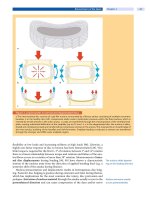
Figure 1. Pathomechanism of spinal metastases
The richly vascularized vertebral bodies connected with the epidural venous plexus, a valveless system of veins within
the spinal canal (Batson), are suggested to predispose to metastatic embolization.
embolization has not been defined [3]. The most common pathway for metastatic
embolization to the spine is through the venous system. The extremely well
developed vein system of the vertebral bodies connected with the epidural
venous plexus, a valveless system of veins within the spinal canal, is suggested to
be a potential source of metastatic embolization [5].
Increased intra-abdominal pressure has been demonstrated to divert blood
into the epidural venous plexus, thus providing a potential pathway of vertebral
metastatic embolization (
Fig. 1).
Spinal metastases
are mainly localized
in the vertebral body
In the spine, the vertebral body is the most common site of metastatic seeding,
andisinvolved20timesmoreoftenthantheposteriorelements.Thisispossibly
due to the affinity of metastatic emboli for developing within red marrow. Less
often the epidural space becomes the initial site of metastasis and only rarely
(<5%) compromise of the patients with neurologic subdural or intramedullary
metastases may occur [11].
Spinal metastases appear
as osteolytic or osteoblastic
lesions
Following cancellous bone seeding, cortical bone invasion, for example meta-
static involvement of a pedicle, occurs secondarily. The host responds by produc-
ing bone in an attempt to repair the injury produced by the cancer invasion. Fast-
growing aggressive lesions are associated with minimum reactive bone and
radiologically appear purely osteolytic. Slow-growing or less aggressive metasta-
ses allow the formation of reactive bone to various degrees and appear radio-
graphically osteoblastic. Mixed areas can occur either within a single metastasis
or at different sites. Histologically, there is no difference in the quality of the reac-
tive bone, which occurs in osteolytic and osteoblastic lesions. Only quantitative
differences are found regarding the amount of reactive bone produced by the
host.
Spinal metastases can result
in vertebral body collapse,
spinal instability and canal
compromise
Thetypeofhost response present influences the probability that spinal defor-
mity will occur. Spinal metastases that are primarily lytic have a tendency toward
vertebral body collapse and spinal instability. Lesions that are primarily osteo-
Spinal Metastasis Chapter 34 979
blastic are less likely to result in spinal deformity from loss of vertebral body
integrity. The intervertebral disc appears to be resistant to metastatic invasion.
After metastases have established in the spine, they may cause neurologic com-
promise through several mechanisms:
direct extension of the metastatic lesion
metastatic seeding in the epidural space
pathological fracture with retropulsed tissues (more frequently)
spinal deformity with localized kyphosis or dislocation
Clinical Presentation
History
Pain is the most common
initial symptom
Spinal metastases may be asymptomatic for a long time and 36% of these lesions
are discovered incidentally [32]. Local pain is the most common initial symptom
of metastatic spinal disease and it is the presenting symptom in up to 96% of the
symptomatic cases.
The cardinal symptoms of spinal metastasis are:
slowly progressive, continuous, and localized back pain
pain exacerbation during rest and at night
Additional but less frequent findings may be:
nerve root pain (unilaterally or bilaterally)
pain aggravation by coughing, sneezing or movement of the trunk
(instability)
symptoms of myelopathy due to spinal cord compression
All patients are at risk
of spinal cord compression
Pain is associated with neurologic dysfunction in only 5% of cases. These
patients are at risk of developing symptomatic spinal cord compression and
this danger will continue to increase with the improvement of oncologic treat-
ment [4]. The interval between pain and neurologic deterioration is longer for
cervical or lumbar metastases (up to 6 months) whereas thoracic lesions are
more typically associated with neurologic findings soon after symptoms first
begin.
Physical Findings
Clinical examination is seldom helpful in making the diagnosis. However, the
most frequent but unspecific findings are:
local tenderness
pain provocation by flexion, rotation, and percussion
A careful neurologic
examination is mandatory
to diagnose neural
compromise at an
early stage
A thorough neurologic examination is a must to diagnose neural compression
syndromes at an early stage (see Chapter
11 ). Patients may present with either
a spinal cord, conus or cauda equina lesion or radiculopathy depending on the
level of the neurologic compromise. Metastatic lesions affecting the cervical and
thoracic cord produce both motor weakness and spasticity with pathological
reflexes. Lesions at the level of the conus medullaris produce lower motor neuron
paralysis, legs that are hypotonic, loss of reflexes and bladder/bowel dysfunction.
Lesions involving the cauda equina may cause either nerve root, unilateral, or
bilateral lower extremity motor weakness with decreased reflexes. Objective sen-
sory disturbances usually present following the onset of motor dysfunction. Met-
astatic lesions producing posterior compression of the spinal cord may result in
980 Section Tumors and Inflammation
early posterior column dysfunction, with resulting abnormalities in position
sense and vibratory and light touch sensation.
Diagnostic Work-up
Imaging Studies
All cancer patients
with spinal pain should
undergo spinal imaging
Modern imaging modalities have substantially improved the accuracy in diag-
nosing spinal metastases. Appropriate radiological assessment should be per-
formed in all cancer patients presenting with neck or back pain.
Standard Radiographs
Radiological signs are
delayed on plain X-rays
Although conventional plain X-rays are the most common initial means to evalu-
ate patients with neoplastic disease spinal pain, they are not sensitive indicators
of the presence and extent of metastatic involvement. It has been shown that
30–70% bony destruction must occur before osteolytic metastases can be seen
[15].
Characterist ic radiological findings (
Fig. 2a, b) suggestive for spinal metasta-
ses are:
missing pedicle (winking owl sign,
Fig. 2c)
changes in vertebral body contours
lytic lesions within vertebral body (one or multiple)
endplate fracture
vertebral body collapse
sclerotic areas within vertebral bodies (may represent blastic metastases)
ab c
Figure 2. Radiographic findings in spinal metastases
The classical radiographic signs of spinal metastases are a the missing pedicle and b changes in vertebral body contours
with vertebral body collapse and kyphotic deformity.
c The winking owl sign indicates osteolysis of the pedicle.
Spinal Metastasis Chapter 34 981