Spinal Disorders: Fundamentals of Diagnosis and Treatment Part 75 doc
Bạn đang xem bản rút gọn của tài liệu. Xem và tải ngay bản đầy đủ của tài liệu tại đây (418.97 KB, 10 trang )
a
b
c
d
Case Introduction
Thirty-six-year-old patient with developmental spondylolisthesis L5/S1 Meyer-
ding Grade IV. The patient initially consulted a GP with low-back pain and was
treated with a brace and further conservative measures moderately success-
fully over a period of 2 years. Sciatica, the beginning of neurologic deficit in the
form of numbness in the left leg as well as mild vesical incontinence on sneez-
ing and coughing led to presentation in our clinic. Neurologic assessment, con-
ventional radiographs (
a), and MRI (b) led to the diagnosis. Posterior lumbar
interbody fusion (PLIF) with placement of two PEEK cages filled with autolo-
gous spongiosa was subsequently performed as a one-step procedure. An
improvement of spinal realignment from Meyerding Grade IV to Meyerding
Grade I–II (
c) was achieved. Postoperatively the patient had a transitory L5
weakness, which quickly improved and subsided completely after 10 days
without revision surgery. One year after surgery, realignment is still held and
there is bony bridging between L5 and S1 (
d).
thesis.Incomparisontotheiragegroup,femaleadolescentgymnastshavea
nearly four times increased probability of stress fractures of the pars interarticu-
laris[40].Afurtherexampleisprofessionalbowlersandcricketplayerswho
show stress lesions of the pars on the non-dominant side [84].
Even high-grade
spondylolisthesis can
remain asymptomatic
Because even severe forms of spondylolisthesis can clinically remain
completely asymptomatic, the true incidence of the condition in the general pop-
ulation remains a matter of speculation. For developmental spondylolisthesis,
most studies report rates of around 3%, though depending on the ethnic group
assessed significantly higher incidences of up to 50% have been reported [9, 36,
42, 49, 90]. The incidence of spondylolisthesis inadultwhitemalesisreportedto
be5–6%andinfemales2–3%[86].AccordingtoRocheandRowe[86],themost
The incidence is 5–6% in
males and 2 –3% in females
frequent localization is L5–S1 in 82%, followed by L4–L5 in 11.3%, L3–L4 in
0.5% and L2–L3 in less than 0.5%. Of the acquired slippages, the degenerative
type is the most frequent one. Degenerative spondylolisthesis is common in
individuals older than 50 years [85]. In a radiographic study, Valkenburg and
Haanen [112] showed that approximately 10% of females over 60 years of age had
degenerative spondylolisthesis. Based on autopsy data, Farfan [23] found a 4.1%
incidence for the condition. Previous studies have indicated that the condition
occurs four times more frequently in women and is most commonly seen at
L4–L5 [58].
734 Section Spinal Deformities and Malformations
Pathogenesis
For a better understanding, it is worthwhile very briefly summarizing the mor-
phology and biomechanics of the lumbar spine and lumbosacral joint. Put sim-
ply, the spine is a two-column structure, with the anterior column consisting of
vertebral bodies and discs and the posterior column composed of bony and liga-
mentous structures. The sacrum acts like a bony shelf and thereby supports the
proximal spinal column. The orientation of the sacrum plays a pivotal role in the
development of spondylolisthesis and is influenced by pelvic rotation, hip exten-
sion and lordosis [95]. Normal sacral inclination varies between 40° and 60° and
the relationships between sacral slope, pelvic inclination and lumbar lordosis are
High-grade isthmic
spondylolisthesis is a
kyphotic disorder of the
lumbosacral junction
dependent on the pelvic incidence, a parameter which is unique to every individ-
ual [22]. A high pelvic incidence results in high shear forces at the lumbosacral
junction and has been shown to be associated with an increased degree of slip-
page [17, 39, 95]. Without the osteoligamentous complex of the posterior column,
with the pars interarticularis acting as a bolt uniting the superior and inferior
facets and the pedicle acting as a bridge to the ventral column, spinal stability
would be severely compromised. To ensure that spinal stability is maintained
during gait or other complex dynamic functions, an intricate interaction
between the neuromuscular system, the bony and ligamentous structures as well
as the viscoelastic discs is needed [30].
Spondylolysis is a result
of a stress fracture
of the pars interarticularis
Motion is passively restricted by the ligaments and posterior facets and,
depending on their orientation and size, the flexion-extension, axial rotation and
lateral bending of each individual spinal segment is defined. Resistance to tor-
sion depends on the integrity of facet joints and resistance to lateral bending is
dependent on the integrity of the disc and the iliolumbar ligaments. Resistance to
flexion is primarily dependent on the capsular ligaments of the facet joints. The
disc, interspinous ligaments as well as the ligamentum flavum are only secondary
flexion restraints [1]. Loads applied to the lumbosacral spine are shared between
the disc and the posterior articulations [2]. While compression is resisted by the
disc, shear is resisted by the disc and posterior elements as well as the stabilizing
muscles [18, 110]. The effective distribution of loads shared by the posterior ele-
ments and the intervertebral disc varies with posture [75]. When failure of the
pars interarticularis occurs, which is usually due to a stress induced fatigue frac-
ture in adolescence [120], the disc is confronted with excessive shear, flexional
and rotational forces and this dissociation of the ventral from the dorsal column
may subsequently result in slippage, since the anulus fibrosus cannot resist the
shear forces.
Spondylolisthesis is a
biomechanical disorder
of the entire lumbosacral
junction
With this very simplified morphological and biomechanical model, an
attempt has been made to communicate that pathologies of the pelvis, the sacral
plateau or the vertebrae themselves may be the cause of localized or even global
spinal imbalance which can ultimately result in the entity of spondylolisthesis.
Classification
Common classification
systems are those
of Wiltse/Rothmann
and Marchetti/Bartolozzi
Due to the complex underlying pathologies which may lead to spondylolisthesis,
numerous classifications have been propagated over the years [54, 56, 77, 78, 118,
119]. Of these, the two classification systems that have remained relevant are
those of Wiltse and Rothman [118] and Marchetti and Bartolozzi [56] as they are
applicable to all forms of lumbar spondylolisthesis and are simultaneously clini-
cally relevant in terms of treatment decision [30]. While the former is an ana-
tomic classification (
Table 1), the latter is etiology based (Table 2) with two main
Spondylolisthesis Chapter 27 735
Table 1. Anatomic classification (according to Wiltse and Rothman [118])
Types Description
I. Dysplastic In this type congenital abnormalities of the upper sacrum or the arch of
L5 permit the olisthesis to occur
II. Isthmic The lesion is in the pars interarticularis. Three subtypes can be recog-
nized:
A. Lytic failure
B. Elongated but intact pars
C. Acute fracture
III. Degenerative Due to long-standing intersegmental instability
IV. Traumatic Due to fracture in other areas of the bony hook than the pars
V. Pathological There is generalized or localized bone disease
Table 2. Etiology-based classification (according to Marchetti and Bartolozzi [56])
Developmental Acquired
High dysplastic Traumatic Pathologic
with lysis acute fracture local
with elongation stress fracture systemic
Low dysplastic Postsurgical Degenerative
with lysis direct primary
with elongation indirect secondary
categories differentiating between primary developmental deficiencies and sec-
ondary acquired spondylolisthesis. The Marchetti classification is almost self-
explanatory and due to the avoidance of confusing terminology in our opinion
seems to be more up to date.
In contrast to Wiltse’s, the Marchetti classification avoids the term “isthmic”
and does not differentiate between developmental and acquired forms of slip-
page. Both types may have defects of the pars interarticularis, yet they present
different pathologic processes [30]. Also, the term “congenital” is incorrectly
used for some subtypes which develop at a later age and are not present at birth.
Despite these shortcomings, the Wiltse categorization is without doubt the most
frequently used and surgeons treating spinal deformities should be familiar with
it. It was modified in 1989 by Wiltse and Rothmann [119] to include an extra sub-
type of spondylolisthesis resulting from prior surgery.
Clinical Presentation
Patients with spondylolysis
or spondylolisthesis may
be clinically asymptomatic
Patients with spondylolysis or spondylolisthesis may be asymptomatic and never
present for medical evaluation. Those that seek medical advice do so with a vari-
ety of symptoms. By carefully scrutinizing the information yielded by the
patient, an experienced physician can draw conclusions about the underlying
pathophysiologic mechanisms.
History
Athoroughhistoryshouldbetakenwithregardtothepain history:
onset
intensity
quality of back pain
736 Section Spinal Deformities and Malformations
Severity of spondylolisthesis
does not correlate with
symptoms
The severity of the deformity does not always correlate with the magnitude of
pain. Generally, high-grade spondylolisthesis is rarely diagnosed in adults, as
many become apparent in adolescence and are then surgically managed. Patients
presenting with Grade IV spondylolisthesis may be asymptomatic even though
their posture is markedly distorted. There are reports of almost asymptomatic
massive slippages with good sagittal balance in adults and evidence of bony sta-
bilization by spontaneous fusion [33].
Make sure that the
radiographically obvious
pathology is the pain source
Occasionally, an asymptomatic adult may develop back or radicular pain as a
result of proximal lumbar disc pathology, bringing the spondylolisthesis to light
for the first time. Particularly in these cases, care must be taken to ensure that the
correct diagnosis is made as the spine surgeon’s attention is easily distracted by
the obvious deformity present.
The cardinal sy mptoms are [70]:
mechanical low back pain (worse on motion, better on rest)
leg pain (sciatica)
Mechanical LBP may
result from abnormal
load distribution
Mechanical back pain is thought to be due to abnormal distribution of load
across the vertebral endplate following disc degeneration [63, 64]. Despite con-
ventional beliefs, the hypothesis that degenerative spondylolisthesis is associated
with increased motion remains to be proven. Some studies even suggest the con-
trary [61, 97]. The bandwidth and intensity of pain is variable and may be of sud-
den onset, chronic or intermittent. Patients may note aggravation with position
transition such as changing from sitting to standing [88] and are often
completelypainfreeonrest.Theleg pain can be distinguished as:
referred
radicular
This depends on the presence of a true neural (mostly foraminal) compromise.
Additional but less frequent symptoms are:
discogenic back pain (worse on sitting and forward bending)
facet joint pain (worse on standing and backward bending)
numbness and tingling
motor weakness
claudication symptoms
Discogenic, facet-joint
and neurogenic, referred
pain may coexist
in spondylolisthesis
Discogenic back pain can result from secondary disc degeneration in the olis-
thetic or adjacent segment [37, 98]. Subsequent degenerative changes of the
bone and ligamentous complex lead to spur formation, hypertrophy, subchond-
ral sclerosis and destruction of the facet joints causing facet joint pain [98]. Neu-
rogenic claudication is produced by spinal stenosis secondary to slippage and
hypertrophy of the ligamentum flavum and facet joints encroaching into the spi-
nal canal. Pain along the buttocks and both legs may occur with standing or
walking and is frequently associated with dysesthesia, numbness or weakness of
the legs.
Most high-grade
spondylolistheses become
apparent during adolescence
In children, the findings are very variable. In a large collective of 415 patients,
Lafond [45] found that only approximately one-quarter of patients with spondy-
lolysis or spondylolisthesis experienced complaints before 20 years of age, but
only 9% sought medical attention during childhood or adolescence. In children,
most high-grade developmental spondylolisthesis develops significant slippage
during the adolescent growth period [33, 51], and this is usually when symptoms
occur [36].
Several risk factors for this progression such as age, sex, spina bifida and dys-
plasia have been identified [12]. Back pain in young children and adolescents
always raises suspicion of an underlying spondylolysis. Adolescents with symp-
Spondylolisthesis Chapter 27 737
tomatic high-grade spondylolisthesis often have sciatic pain that can develop
into a sciatic crisis known as:
Phalen-Dixon sign
Young patients may present
with a sciatic crisis known
as the “Phalen-Dixon sign”
This includes sciatic pain, vertical sacrum and pelvis, lumbosacral kyphosis,
tight hamstrings, and an unusual pelvic waddling gait [33, 51]. This is caused by
compression of the cauda equina and subsequent spasm of the ischiocrural mus-
cle group. Irritation of the L5 and S1 nerve root explains sciatica.
Physical Findings
Patients should very
carefully be neurologically
assessed
Physical examination should be performed to distinguish referred from radicu-
lar symptoms, to document spinal sagittal alignment and spinal mobility and to
establish the presence of any neurologic deficits. Particularly, the sensory and
motor function needs to be checked. In the light of medicolegal issues, it seems
prudent to document these findings very precisely or even refer the patient to a
neurologist to document the findings.
Depending on the extent of slippage, children and adolescents may present
with:
hyperlordosis of the lumbar spine
sagittal malalignment (lumbosacral step-off)
trunk deviation (
Case Study 2)
flexed knee position
tight hamstrings
paraspinal muscle spasm
gait disturbance (in high-grade spondylolisthesis)
Las`egue’s sign
sensorimotor deficits
bowel and bladder dysfunction (very rare)
Since scoliosis can be observed in conjunction with spondylolisthesis, trunk
deviation and back asymmetry must be searched for.
In adults and elderly patients, the physical findings often vary from those of
children and rather depend on secondary segmental degeneration. Physical
examination may even be unremarkable. However, frequent findings are:
tight hamstrings
sensorimotor deficits
pain on backward bending and rotation (often facet joint pain)
pain on forward bending (often discogenic pain)
pain on extension from the forward bent position
limitation of walking distance
Pain in adults with
spondylolisthesis is
frequently due to secondary
segmental degeneration
Pain provocation on specific movements can indicate the source of the pain (e.g.
facet joint or discogenic pain). However, these findings are variable and the
actual prediction of the pain source is not very reliable. Yet, these signs provide
a hint as to which structures should be further explored with spinal injections.
Differential Diagnosis
Patient radiographs
and clinical presentation
need to be closely correlated
Degenerative spondylolisthesis may be an asymptomatic roentgenographic find-
ing [98]. Belfi et al. [7] demonstrated a 5.7% prevalence of spondylolysis and a
3.1% prevalence of spondylolisthesis in asymptomatic patients. Radiographs
should therefore not be overinterpreted, as numerous spinal pathologies can give
rise to back and/or leg pain. Similar symptoms as found in spondylolisthesis can
738 Section Spinal Deformities and Malformations
also be induced by spinal stenosis, central disc herniations or scoliotic deformi-
ties. Osteoarthritis of the hip is found in about 15% of patients with degenerative
Degenerative spondylolis-
thesis and hip joint OA
coincide in about 15 %
of cases
spondylolisthesis and commonly radiates to the anterior thigh and thus mimics
an L3 or L4 radiculopathy [5]. Peripheral vascular disease is common in the
elderly and may cause very similar symptoms to spinal claudication. Diabetic
neuropathy can usually be clinically differentiated from a painful radiculopathy.
As with all spinal pathologies, radiographs should be scrutinized for signs of
spondylodiscitis or primary/metastatic tumor disease.
Syndromes which are associated with spondylolisthesis are:
neurofibromatosis I [16]
Marfan syndrome [99, 122]
Tricho-rhino-phalangeal syndrome [103]
Ehlers-Danlos syndrome [76]
myelomeningocele [101]
Spondylolisthesis associated with abnormal bone and/or soft tissue constraints is
rare and reports on these remain mostly anecdotal. Despite this, they should be
pointed out because they can occur at unusual anatomic sites and, depending on the
pathogenesis, may cause neurogenic injury as they can be high grade even with an
intact neural arch [53]. Metastatic and primary bone tumors involving the spine are
usually located in the vertebral body, and may of course cause significant structural
weakeningoftheboneorsupportingsofttissueofthedorsalcolumn,withsubse-
quent slippage of varying degrees. Less obvious are pathophysiological mecha-
nisms based on a systemic bone disease. Several studies have shown that spondylo-
listhesis is seen in a significant number of women with osteoporosis [107, 113, 114].
Interestingly, approximately 1/3 of the slips they identified were posterior. Appro-
priate treatment of these patients, who more often than not have concomitant mas-
sive degenerative changes, will depend on the amount of slippage and symptom-
atology as well as the neurologic findings. The usual methods of decompression,
stabilization and fusion will be indicated [53]. A further, though far rarer, example
is osteogenesis imperfecta, which may lead to an elongation of pedicles or pars, and
due to static moments and gravity severe slippage can occur [32, 52].
Diagnostic Work-up
Imaging
Standard Radiographs
Search for “Scottie dog”
with a collar on oblique
radiographs
Conventional anteroposterior and lateral radiographs should be performed as an
initial assessment. In high-grade spondylolisthesis, the slipped vertebra contours
a shape on the anteroposterior radiograph similar to an “inverted Napoleon’s
hat” (
Fig. 1a). Very often the pars defect is already visible on the lateral view
(
Fig. 1b). If a slippage or pars defect is not clearly visible, oblique (45° angled)
radiographs are helpful (
Fig. 1c). In case of a pars defect, the “Scottie dog” wears
acollar(
Fig. 1d).
Functional radiographs may give valuable information concerning spontane-
ous repositioning of a slip, which may be useful in planning surgery. However,
functional views have failed to reliably demonstrate an instability [25] and the
motion within an olisthetic segment can even be less than in a normal segment.
Meyerding’s grading
of slippage is widely used
A simple and easily applicable grading of the spondylolisthesis is the grading
system according to Meyerding [65]. The original grading included four grades.
However, it has become international convention that completely slipped verte-
brae (spondyloptosis) are defined as Grade V (
Fig. 2).
Spondylolisthesis Chapter 27 739
a
b
cd
Figure 1. Radiographic findings
a On the anteroposterior radiograph it appears that there are only
four lumbar vertebrae, but L5 has slipped in front of S1 (spondylopto-
sis) and its contour resembles an “inverted Napoleon’s hat”.
b Stan-
dard lateral radiograph showing a developmental (isthmic) spondy-
lolisthesis L5/S1 Meyerding Grade II with a clearly visible pars defect.
c Oblique radiograph showing a pars defect at the level of L4
(arrows).
d Schematic drawing of the so-called “Scottie dog”. The pars
defect shows up as a “collar”.
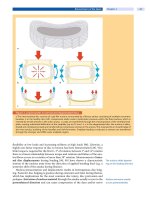
Figure 2. Meyerding grading of spondylolisthesis
The anteroposterior diameter of the sacrum is separated into quartiles. Slippage within the first quartile is graded as
Grade I, etc., up to the fourth quartile, where it is Grade IV. Spondyloptosis is classified as Grade V.
Variousmeasurementshavebeenadvocatedtocloselydescribethenormalanat-
omy of the lumbosacral junction (
Fig. 3a) [12, 44, 121]. The most important mea-
surements are:
percent of anterior displacement (
Fig. 3b) according to Taillard [108]
slip angle (
Fig. 3c) according to Boxall et al. [12]
percent of rounding of top of sacrum (
Fig. 3d)
740 Section Spinal Deformities and Malformations
ab
cd
Figure 3. Measurements of spondylolisthesis
a The angle between a line across the cranial border of S1 and the horizontal plane comprises the sacrohorizontal angle.
The lumbosacral angle is found by first defining the longitudinal axis of the lumbar spine, i.e. the perpendicular line to
the bisector of the lumbosacral angle. The sacrohorizontal angle is formed by this line and the longitudinal axis of S1
(perpendicular line to the cranial border of S1).
b The percent anterior slippage is defined as a percentage of the antero-
posterior diameter of S1 according to Taillard.
c The slip angle is defined by a line along the inferior border of S1 and a
line perpendicular to the longitudinal axis of the sacrum.
d The rounding of the sacral dome is expressed as the relation
of the maximum anteroposterior diameter of the sacrum to the sacral dome [12, 121].
A high slip angle indicates
progression risk
The latter three measurements allow an estimation of the risk of slip progression.
A high slip angle in conjunction with a rounded sacrum increases the risk of a
slip progression in children.
Spondylolisthesis Chapter 27 741
Bone Scans
Bone scans are particularly
useful in children
and adolescents
According to Willburger [116], bone scans are particularly valuable in children
and adolescents as they allow the differentiation between acute (fresh fracture)
and chronic pars defects. This has clinical implications insofar that there is a
good chance of successful conservative management of a fresh pars defect or
imminent stress fracture, while older lesions usually do not heal with non-opera-
tive management. In adults, where acute lesions are rarely found, the sensitivity
of a bone scan is poor [81].
Computed Tomography
CT is of particular value
if surgery is planned
By means of CT, an excellent assessment of bony anatomy can be made and with
evaluation of the pars interarticularis imperative information concerning the
type of spondylolisthesis can be gathered. Normally, the usual gantry is angled
perpendicularly to the pars defect increasing the risk of overlooking a pars
defect. It is therefore recommended to angle the gantry parallel to the pars inter-
articularis, i.e. perform a so-called reversed gantry CT (
Case Study 1)oruse
multi-slice CT with image reformation. However, this technique is not necessary
with multi-slice CT, which allows reformation of the images in the desired plane.
CT scans can demonstrate a pars defect as well as facet hypertrophy and the pedi-
cle anatomy (size, trajectory), which is of importance if surgery is planned.
a
b
c
d
Case Study 1
A 14-year-old female presented with acute
severe back pain worse on motion with tight
hamstrings. Bilateral spondylolysis L4/5 was
diagnosed only after a CT scan using the
reversed gantry technique (
a, b) was per-
formed. A bone scan demonstrated an uptake
at the location of the lysis on both sides indi-
cating an acute fracture (not shown). Conser-
vative treatment with a lumbar brace treat-
ment including the right thigh for 8 weeks was
started (
c). Pain subsided very rapidly. At
4 months, the patient was symptom free. A
control CT scan at 1 year postoperatively dem-
onstrated healing of the acute pars fracture
(
d). The patient was symptom free and regai-
ned all desired activities. (Courtesy of Univer-
sity Hospital Balgrist).
742 Section Spinal Deformities and Malformations
a
b
c
Figure 4. MRI characteristics of spondylolisthesis
Isthmic spondylolisthesis Grade II at the level of L5/S1. a The T2-weighted image demonstrates the pseudo disc hernia-
tion (black arrow), endplate (Modic) changes Type II (arrowheads) and a hyperintense zone (annular tear) in the L4/5 disc
(white arrow).
b The parasagittal T1-weighted image demonstrates the severe foraminal stenosis with compression of
theexitingL5nerveroot(arrow).
c The T2-weighted axial image demonstrates mild to moderate facet joint osteoarthritis
at the L4/5 level
CT is helpful for
preoperative planning
Placement of pedicle screws can be difficult when pedicles are dysplastic and CT
is therefore helpful for preoperative planning. CT scans may also be useful in
determining which cases warrant decompression in addition to fusion [59]. Sag-
ittal reconstructions are helpful for exploring the adaptive changes within the
olisthetic vertebrae and their subadjacent vertebrae such as the erosion and
rounding off of the sacral dome in lumbosacral spondylolisthesis [44].
Magnetic Resonance Imaging
If neurologic structures are
compromised, MRI is the
imaging modality of choice
MRI easily allows the depiction of a spondylolisthesis but it is sometimes difficult
to exactly localize the lysis. For the further diagnostic assessment, MRI is the
method of choice. Characteristic findings in patients with spondylolisthesis are
(
Fig. 4):
olisthetic vertebra (
Fig. 4a)
foraminal stenosis (
Fig. 4b)
pseudo disc herniation (
Fig. 4a)
cauda compression
disc degeneration in the olisthetic and superior segment (
Fig. 4a)
hyperintense zone (HIZ) in the anulus (annular tears) (
Fig. 4a)
endplate abnormalities (Modic changes) (
Fig. 4a)
facet joint osteoarthritis (upper adjacent level) (
Fig. 4c)
tethered cord (very rare)
Invasive Imaging Studies
Provocative Discography
This invasive method is in our opinion only justified if surgery is planned. The
slipped vertebra often causes a secondary degeneration of the upper adjacent
intervertebral disc. In cases with mild disc degeneration, the question arises
whether the upper level should be included. In this case, provocative discography
(see Chapter
10 ) can be helpful in deciding whether the upper disc level is pain-
ful and should therefore be included in the fusion.
Spondylolisthesis Chapter 27 743