Andersons pediatric cardiology 1292
Bạn đang xem bản rút gọn của tài liệu. Xem và tải ngay bản đầy đủ của tài liệu tại đây (206.87 KB, 3 trang )
17
18
19
20
2010
2010
2012
2012
Subramanyan
Holmes
Fatih
Jowett
1
1
1
1
21
2012 Jowett
2
22
23
2013 Murugan
2015 Gupta
24
2015 Gupta
25
26
27
2015 Bhatla
2016 Gupta
2015 Nicholsona
1
1(Fig.
48.8A)
2(Fig.
48.9B)
1
1
1
Aorta(lateralaspect)topulmonaryarteryconfluence
Aortatodistalmainpulmonaryartery
Aortatopulmonaryarteryconfluence,verylongcourse
AortatopulmonaryarteryconfluencemimickingdistalAP
window
AortatopulmonaryarteryconfluencemimickingdistalAP
window
Aortatoleftpulmonaryartery
Aortatopulmonaryarteryconfluence
64
65
66
67
Ascendingaortatoleftpulmonaryartery
68
67
50
68
Aortatopulmonaryarteryconfluence
69
Aortatopulmonaryarteryconfluence
70
Double-barreledaorta(left)andleftpulmonaryarteryfrom 55
aorta
aThisshowscasesthatweinterpretasrequiringdualorbilateralfiftharcharteriestoexplainthe
anatomy.
AP,Aortopulmonary.
FifthArchArteryVersusDistalAortopulmonary
Window
Inoneofourpatientswithventricularseptaldefectandpulmonaryatresiainthe
settingofdiscordantventriculoarterialconnections,weencounteredachannel
arisingfromthelateralaspectofascendingaorta(Fig.48.8,left).Thischannel,
alongwithothersdescribedintheliterature,23,56,58–62,64–70couldwellbean
arteryofthefiftharch,ascouldthevesselfoundinthesettingoftetralogyof
Fallotwithpulmonaryatresiashownintheright-handpanelofFig.48.8.This
typeofconnectionhasbeeninterpretedbyotherinvestigatorsasrepresentinga
distalaortopulmonarywindow.23,38,59–61,67Aortopulmonarywindows,however,
areintrapericardial,asopposedtoeitheracollateralchannel,oranarteryofthe
fiftharch,bothofwhichwouldoccupyextrapericardialspace(seeFig.48.8).
Thereforethelocationofthelesionsmeansthattheycannotbeaortopulmonary
windows.Localizationofthechannelwithinoroutsidethepericardium,
nonetheless,althoughreadilyrecognizedduringsurgery,canbeextremely
difficultonpreoperativeimaging.68,70
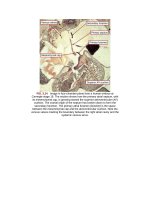
FIG.48.8 Left,Imagefromapatientwithdiscordantventriculoarterial
connections,ventricularseptaldefect,andpulmonaryatresia.Thechannel
arisesfromtheascendingaortaproximaltotheoriginofthe
brachiocephalicarteryandterminatesattheconfluenceofthepulmonary
arteriesthroughthearterialduct.Thisstronglyfavorsitsoriginasafifth
archartery.Right,ImagefromapatientwithtetralogyofFallotand
pulmonaryatresia.Thechannelfeedingthepulmonaryarteriesarisesfrom
theascendingaortaproximaltotheoriginofthebrachiocephalicartery.
Whentraceddistally,itfeedstheconfluenceofthepulmonaryarteriesin
retrogrademanner—inotherwords,throughtheterminationoftheleftsixth
archartery.Thisagainfavorsitsoriginasafiftharchartery.
ChannelsFromtheAscendingAortatotheLeft
orRightPulmonaryArtery
Irrespectiveofpriorconsiderations,itisnotuncommontofindachannelarising
fromtheascendingaortathat,aftertakingatortuouscourse,terminatesinoneor
otherofthepulmonaryarteries.Inonesuchcaseheldtorepresentafiftharch
artery,thecandidatechannelisshownasarisingfromtheascendingaorta.It
terminatesdirectlyintherightpulmonaryartery(Fig.48.9A).23Asimilarcase
wasreportedbyus,andagaininterpretedinitiallyasanarteryofthefiftharch.
Thechannelarisesfromtheascendingaortaproximaltothebrachiocephalic
arteryandterminatesinthediscontinuousleftpulmonaryartery,havingtakinga
serpentinecourse(seeFig.48.9B).68Furtherinterrogationofthecomputed
tomographicdatasetfromthepatient(Fig.48.10)showswellthe
interrelationshipsoftheoriginsofthebrachiocephalicarteryandtheserpentine
channel.Inthesettingofdiscontinuouspulmonaryarteries,thelocationofthe
originofaserpentinechannelcouldjustaswellbeinterpretedtorepresent
extensiveremodelingofthearterialductasitistorepresentthefiftharchartery.
Andsincethesixtharchisuniversallypresent,probabilitiesfavoritsoriginfrom
thesixthratherthanthefiftharch.
FIG.48.9 (A)Suggestedoriginofavesselfeedingtherightpulmonary
arteryinthesettingofpulmonaryatresiaasanarteryofthefifthpharyngeal
arch.Itisjustaslikelytobeanaberrantarterialductderivedexclusively
fromthesixthaorticarch,sinceitterminatesdirectlyintherightpulmonary
artery.(B)Vascularchannelarisingfromtheascendingaortathat,after
followingatortuouscourse,terminatesinthediscontinuousleftpulmonary
artery.Thepreciserelationshipsoftheoriginsofthechannelandthe
brachiocephalicarteryareshowninFig.48.10.Therightpulmonaryartery
issuppliedbysystemic-to-pulmonarycollateralarteries.Aswasthecase
withthechanneldescribedbyGerlisandcolleagues,23weinitially
interpretedthechannelasseenin(B)asanarteryofthefiftharch.On
reflection,itcouldjustaswellbetheremodeledarterialduct,with
probabilitiesfavoringthelatterinterpretation.