Andersons pediatric cardiology 1375
Bạn đang xem bản rút gọn của tài liệu. Xem và tải ngay bản đầy đủ của tài liệu tại đây (96.28 KB, 3 trang )
oftheheartarediffuselyinfiltratedbyrhabdomyomatypecellsandfibrosis
ratherthanformingdiscretetumors.Thefewreportedcasesofthisentityhave
presentedassuddencardiacdeathandwerediagnosedonautopsy.86
Becausemostinfantswithrhabdomyomaswillshowaspontaneousregression
duringthefirstyearoflife,surgicalinterventionshouldberecommendedonlyin
thepresenceofseverehemodynamicdisturbancesorrefractorylife-threatening
arrhythmias.1
TuberousSclerosisComplexandRelated
Issues:Rhabdomyomas,MyocardialFattyFoci,
andPharmacologicTumorRegression
Althoughthecardiacprognosisforfetusesorinfantswithrhabdomyomasis
generallygood,concernsareraisedbecauseoftheircommonassociationwith
TSC.TSCisanautosomaldominantgeneticdiseaseresultingfrommutationsin
theTSC1(hamartin)orTSC2(tuberin)genesthatresultinproliferationof
hamartomasinmultipleorganssuchastheheart,brain,kidneys,eyes,andskin.
TSCispresentinmorethanhalfofthosefoundtohaverhabdomyomas.When
thetumorsaremultiple,asmanyas80%to95%ofhavethedisease.1,51,72
Conversely,rhabdomyomaispresentintwo-thirdsofTSCpatientsyoungerthan
2years.71Clinicalmanifestationsdependontheorgansaffected.Mostpatients
havecharacteristicskinlesions,andamajorityofpatientshaveepilepsyor
neuropsychiatricdisorders.Inaseriesofneonatesandinfants,rhabdomyomas
(56%),seizures(34%),hypomelanoticmacules(15%),andfamilyhistory(12%)
werethemostcommonpresentingfindings.87
Recently,multiplegroupshavenotedthepresenceoftumorsdescribedas
MFFin35%to64%ofadolescentandadultTSCpatients.88–90Thetumorsare
notedtobewellcircumscribed,midmyocardial,noninvasive,andoftenmultiple.
Mostpatientsappeartohavenocardiacsymptoms,althoughcasesof
unexplainedsuddendeathhavebeenreported.91ThepresenceofMFFhasbeen
associatedwiththepresenceofbrain,thoracic,andrenaltumors,andthenumber
ofMFFhasbeencorrelatedwithnoncardiactumorburden.88,89Postmortem
analysesofthesetumorshaveshownmaturefatcellsinthreepatients91,92and
angiomyolipomainone.88Giventhetendencyforrhabdomyomaregression,
MFFhavebeenconsideredseparateandunrelatedentities.Interestingly,alarge
serialechocardiographicstudyof152TSCpatientsnotedahigherprevalenceof
rhabdomyomasinadolescentsthanin2-to11-year-oldsanddescribednewor
growingtumorsinsixadolescentfemales.71Giventheverysimilarappearance
ofrhabdomyomasandMFFonechocardiography,thesefindingsmaybe
explainedbydenovoappearanceofMFF.Inaddition,theremaybeevidencefor
transformationofrhabdomyomasintoMFF.Ourgroupfollowsanadolescent
femalewithTSC,multiplecardiactumors,andventriculartachycardia
(unpublisheddata)wheresometumorshadMRIcharacteristicsofrhabdomyoma
asaneonatebutfattycharacteristicsinadolescence.
RhabdomyomasinTSCpatientshavebeennotedtobothgrowandregressin
responsetodifferentmedications.Therearecasereportsofrapidenlargementof
rhabdomyomasinpatientswithTSCwhoreceivedcorticotropintherapyfor
infantilespasms.93,94In2011acasereportdescribeda7-year-oldwithTSCwho
underwentnearlycompleteresolutionofapreviouslystablecardiac
rhabdomyomaafterinitiationofeverolimustreatmentforabraintumor.95
Everolimusinhibitsthemammaliantargetofrapamycin(mTOR),whichis
normallysuppressedbyatumorsuppressorcomplexthatisinactivatedinTSC.
Sincethen,therehavebeenahandfulofreportsdescribingacceleratedresolution
ofTSC-relatedcardiacrhabdomyomaswithmTORinhibitors.96–98One
retrospectivecaseseriesfoundthattreatedinfantshadacardiactumorregression
ratenearly12timesfasterthanahistoriccontrolgroup,withanaveragetimeof
1.1monthsto50%tumorreduction.99Reboundtumorgrowthhasbeen
demonstratedafterdrugdiscontinuation,andimportantsideeffectsaremostly
relatedtoimmunosuppression.Furtherinvestigationintothepotentialroleof
mTORinhibitorsisneeded,butitmaybeaviableoptionforavoidingsurgical
interventioninpatientswithsignificantmorbidity.
Fibromas
Cardiacfibromasranksecondorthirdfrequencyamongprimarycardiac
tumors.1,5,8,10Thesetumorsareseenthroughoutchildhood,althoughtheyare
lesscommoninfetusesandnewborninfants.Inupto5%ofcases,cardiac
fibromasareassociatedwithnevoidbasalcellcarcinomasyndrome(Gorlin
syndrome),anautosomaldominantdiseasecharacterizedbyneoplasmsin
multipleorgansystems,mostcommonlybasalcellcarcinomas.1,100
Cardiacfibromasarecharacteristicallysolitaryintramurallesionsseeninthe
ventricularseptumorleftventricularfreewall.Rightventricularinvolvementis
lesscommon,andatrialfibromashavebeenreported.54Intracavitaryfibromas
andmultiplefibromashavealsobeendescribed.Thegrossappearanceofcardiac
fibromasisrelativelyuniform.Theypresentassolid,firm,whitishlesions,with
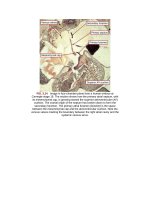
adistinctfibromatousarchitecturewhenseenincutsections(Fig.52.13).Their
circumscribedappearancesuggestsanencapsulatednature,butmicroscopic
studiesrevealinterminglingofthetumorwiththeadjacentmyocardium.1,31
Calcificationwithinthelesionsisnotuncommon.1Lesionsmayvaryinsize
from1to9cm.1Thoseproducingfunctionalimpairmentareusuallyseveral
centimetersinsize.Moreover,satellitenodulesmaybepresent.
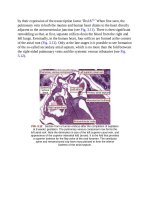
FIG.52.13 Cutedgeofaresectedfibromashowingthetypical
fibromatousarchitecture.
Fibromasaresolitary,slow-growing,andpotentiallyaggressivelesions.
Spontaneousregressionhasnotbeenobserved.Onechocardiography,fibromas
areechobrightandmaybedistinguishedfromrhabdomyomasby
inhomogeneityduetothepresenceofcalcifications,necrosis,orcystic
degeneration.74Largelesions,particularlyseptalones,maymimichypertrophic
cardiomyopathy.ThepathognomonicfindingonMRIisintenselategadolinium
enhancementwithorwithoutacentraldarkcore.54
Symptomsaremostcommonlyduetoventriculararrhythmia,although
atrioventricularconductiondisturbancesandventricularobstructionhavealso
beenreported.Inonelargesingle-centerstudy,64%offibromapatientshad
clinicallysignificantarrhythmias,allventriculartachycardiaorventricular