Andersons pediatric cardiology 1374
Bạn đang xem bản rút gọn của tài liệu. Xem và tải ngay bản đầy đủ của tài liệu tại đây (142.79 KB, 3 trang )
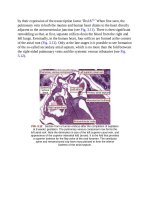
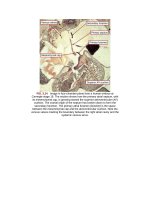
FIG.52.10 Histologicsectionofarhabdomyomashowingthetypical
featuresoftheso-calledspidercell.
FIG.52.11 Multiplerhabdomyomasoccupyinganintracavitaryposition
andgrowingfromthewalloftherightventricleandtheadjacentright
atrium.
Rhabdomyomasarereadilyvisibleonfetalortransthoracicechocardiography,
withahomogenousandechobrightappearance.Thishomogeneityhelpsto
distinguishrhabdomyomasfromothercommonpediatricprimarycardiac
tumors,whichtendtohaveheterogenicappearances.74OnMRI,thelesions
appearbrightonT2-weightedsequencesandarerelativelyisointenseto
myocardiumandnonenhancingonothersequences.54
Rhabdomyomashavebeendiagnosedasearlyas15weeksofgestationand
continuetogrowthroughapproximately32weeks’gestation.Postnatally,
spontaneousregressionwilloccurinamajorityofneonatesduringthefirstyear
oflife.Echocardiographicfollow-uphasshownregressionwithinaperiodas
shortas6weeks(Fig.52.12).1,75–79Thefrequencyoflesionsdecreasesin
childrenolderthan2years.Denovoappearanceofarhabdomyomawithrapid
growthat2yearshasbeenreported,80aswellastransientenlargementoftumors
inbothinfancyandadolescence(seesectionlateronmyocardialfattyfoci
[MFF]).71,81,82
FIG.52.12 Regressionofrhabdomyomas.Apicalfour-chamberview
showsmultipleventricularrhabdomyomasinapatientwithtuberous
sclerosiscomplex(A)asaneonateand(B)at3yearsofage.
Themajorityofpatientswithrhabdomyomasareasymptomaticfromacardiac
standpoint,withthediagnosismadeonscreeningfetalorpostnatal
echocardiography.Whenpresent,symptoms,morbidity,and/ormortalityare
generallyduetointracardiacobstruction,arrhythmia,orheartfailuredueto
replacementofmyocardium.Extrinsiccompressionofcoronaryarterieshasalso
beendescribed.Inrarecases,largeleftventricularlesionshavebeenimplicated
inthedevelopmentofhypoplasticleftheartsyndrome.83,84
Insomepatients,rhabdomyomasareanimmediatecauseofmorbidityand/or
mortality,withfetaldemiseorneonataldeath.Onemeta-analysisfoundprenatal
tumorsizegreaterthan20mmandfetalarrhythmiatobesignificantpredictors
ofintrauterineorneonataldeath.85However,othergroupshavenotedthatthe
locationofatumorandimpactonbloodflowplaysalargerrolethansizein
symptomatology.28
Arrhythmiaswerepresentin28%ofpatientswithrhabdomyomasinonelarge
single-institutionstudy.5Nearlyhalfofthesepatientshadlow-gradearrhythmia,
followedbyasymptomaticpreexcitation,supraventriculartachycardia,and
ventriculartachycardia.Mostpatientsweremanagedconservativelywith
resolutionofarrhythmiaorpreexcitationwithtumorregression.Preexcitation
andectopicatrialtachycardiapersistedintotheteenageyearsinaminorityof
patients.Whenneeded,pharmacologicmanagement,radiofrequencyablationof
accessorypathways,andsurgicalresectionoftumorsweresuccessfulinnearly
allpatients.
Diffusecardiacrhabdomyomatosisisanextremelyrareentitywhereportions