Andersons pediatric cardiology 1355
Bạn đang xem bản rút gọn của tài liệu. Xem và tải ngay bản đầy đủ của tài liệu tại đây (137 KB, 3 trang )
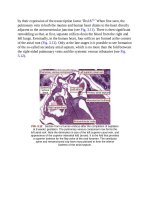
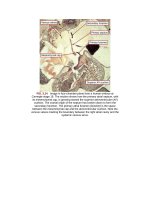
FIG.51.14 Aortoventriculartunnelopeningintotheroofoftheright
ventricle.(A)Anteriorview,withthetunnel(asshowninFig.51.13)taking
itsoriginfromtherightcoronaryaorticvalvesinus.(B)However,thetunnel
(shownbytheredcord),opensintotheinfundibulumoftherightventricle
adjacenttothemedialpapillarymuscle.
FIG.51.15 Essentialfeatureofanaortoventriculartunnel(arrow)that
openstotheleftventricle.Thetunnelbypassesthehingeoftheleafletof
theaorticvalve,whichisdetachedfromitsusualoriginfromtheaortic
valvarsinus.
Explanationsforthemorphogenesisofthelesionshavebeenlegion.However,
aswehaveshown,notonlythearterialvalvarsinusesbutalsothevalvarleaflets,
areformedwithintheintermediatepartoftheoutflowtract.Furthermore,the
outflowcushionsalsomuscularizetoproducethesubpulmonaryinfundibulum.
Whenthesedevelopmentaleventsarecoupledwithanalysisofthestructureof
thelesions,theyfavorthenotionthatthelesionsrepresentabnormalmoldingof
thecentralcushionmass.Inthisregard,itcannotbecoincidentalthatalmostall
tunnelsreportedthusfar,withtheexceptionofthosejoiningtotherightatrium,
haveinvolvedtheaorticsinusesadjacenttothepulmonarytrunk.Manyprevious
accountshavesuggestedthatthetunnelsinvolvetheinfundibular,ormuscular
outlet,septum.Becausesuchaseptumdoesnotexistinthenormalheart,
explanationsinvolvingsucha“septum”cannotbecorrect.Aswehaveshown,as
thecentralcushionmassmatures,itbecomesconvertednotonlyintothe
freestandingmuscularsubpulmonaryinfundibulum,butalsothefibroadipose
tissuesthatinterposebetweentheinfundibulumandtheaorticroot.Thetunnels
arefoundwithinthisareausuallyoccupiedbyfibroadiposetissue(seeFigs.
51.13and51.14),irrespectiveofwhethertheyopentotherightortheleft
ventricle.Itislessthansatisfactorythatthelesionscontinuetobedescribedas
“tunnels,”particularlythoseterminatingintherightatrium,butthisisunlikely
tochange.Understandingcomesfromtheappreciationsthatthelesionsopening
intheventriclesrepresentabnormalformationofthearterialvalvarsinusesand
leaflets.Thosethatemptytotheleftventricletypicallyrepresentlittlemorethan
separationofthehingeofthevalvarleafletfromthesupportingsinus.The
involvementoftheadjacentaorticvalvarsinusesintheirformationalsoexplains
whysomanyofthetunnelsalsoinvolvethecoronaryarteriesaspartofthe
malformation.Theatrialtunnelsaremoreakintothefistulouscommunications
discussedearlier.
Aorto–leftventriculartunnelsareextremelyrarecongenitalheartdefects.
AlthoughfirstreportedbyLevyetal.in1963,46descriptionssincethenhave
beenlimitedtoisolatedcasereportsandsmallcaseseries.Inasingle-center
cohortfromBostonChildren'sHospital,detailsofonly11patientswerereported
overa35-yearperiod.47Duetotherarityofthelesion,itiscommonly
misdiagnosed.48Itisimportanttodistinguishaorto–leftventriculartunnelsfrom
isolatednativeaorticvalveregurgitation,coronaryarteryfistulas,andruptured
sinusofValsalvaaneurysms.Theaorticpartofthetunnelismadefromthe
aorticwall.Thetunneloriginatesabovethesinutubularridge,afeaturethat
distinguishesitfromarupturedsinusofValsalvaaneurysm,whichoriginates
fromtheaorticsinusesthemselves.Theentranceintotheventricleisatthe
triangularregionbetweentherightandleftcoronaryarterysinuses.49The
coronaryarteriesarefrequentlyinvolvedinthedefectaswell,6,47,49,50andthe
originortherightcoronaryarteryisusuallysituatedbelowthesinutubularridge
andtheremaybeprolapseoftherightcoronaryleaflet.49Insomecases,theright
coronaryarteryoriginatesformthetunnelitself.50Althoughusuallytheoriginof
aorto–leftventriculartunnelsareabovetherightcoronarysinus,rarelytheycan
originatefromabovetheleftandnoncoronaryarterysinuses.50–53Associated
lesionsmaybepresent,particularlyoftheaorticvalveandcoronaryarteries.47