Andersons pediatric cardiology 1353
Bạn đang xem bản rút gọn của tài liệu. Xem và tải ngay bản đầy đủ của tài liệu tại đây (115.86 KB, 3 trang )
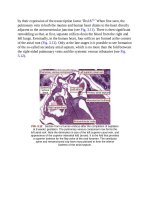
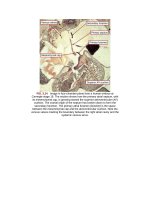
FIG.51.12 (A)Whenviewedexternally,thisimagesuggestsasmall
aortopulmonarywindow(arrow).(B)However,openingtheaortashows
thattheareaindicatedbythearrowisnomorethattheaorticoriginofthe
leftpulmonaryartery,whichhasnodirectconnectionwiththecavityofthe
pulmonarytrunk.Thepulmonarytrunkfeedsonlytherightpulmonary
artery.
ThefindingsinthiscasepointtothelikelyexplanationforbothAPwindow
andanomalousaorticoriginofapulmonaryartery(AOPA)basedonanomalous
formationoftheprotrusionfromthedorsalwalloftheaorticsac.Intermsof
nomenclature,ithasbeenfrequent,inthepast,tofindaorticoriginofonePA
describedas“hemitruncus.”Thistermisinappropriatebecausethephenotypic
featureofthecommonarterialtrunkisthepresenceofacommon
ventriculoarterialjunction.PAsarisingdirectlyfromtheaortaarefoundinthe
settingofseparatearterialroots(seeFigs.51.11and51.12).
AOPAisarareanomalycharacterizedbytheoriginofaPAdirectlyfromthe
ascendingaorta,whiletheotherPAarisesfromthemainPAnormally.
Importantly,inthisanomalythereiscompleteseptationoftheprimitivearterial
trunkintoanascendingaortaandamainPA,withseparateaorticandpulmonary
valves.Becauseofvariableterminologiesusedinthepast,itisimportantthat
thismalformationbedistinguishedfromsimilar,butdistinct,anomalies:
■InductaloriginofaPA,oneorbothofthePAs
ariseviaanarterialductfromthebaseofasubclavian
orinnominatearteryorfromtheundersideofthe
aorticarch,withotherwisenormaltruncalseptation.
■Incommonarterialtrunk,thereisabsenceof
truncalseptation,suchthatthereisasinglesemilunar
valve(i.e.,thetruncalvalve)whilethemainPAor
bothbranchPAsarisefromthecommonarterial
trunk.
■Persistentfifthaorticarchreferstoananomaly
wheretruncalseptationhasoccurredbutoneofthe
branchPAsarisesviaafifthaorticarch(avariantof
thearterialductthatissubjecttosimilarpostnatal
constriction)generallyfromthedistalascending
aorta.Accordingly,withpostnatalconstriction,the
ostiumoftheaffectedPAmaybecomestenotic,
whereasinAOPAtheaffectedPAisalmostnever
stenoticandisthereforeexposedtosystemic
pressures.
■Finally,insomecasesofPA/VSDandmajorAP
collateralarteries,anentirelungmaybeoccasionally
suppliedbyalarge,solitarydirectcollateralartery
thatmayresembleaPAbrancharisingfromthe
descendingaorta.However,animportantdistinction
isthatatruebranchPA(i.e.,aderivativeofthe
proximalsixthaorticarch)cannotarisefromthe
descendingaorta,andsimilarlyadirectAPcollateral
(i.e.,aderivativeoftheprimitiveintersegmental
arteriesthatarisefromthedorsalaorta)cannotarise
fromtheascendingaorta.
Hence,ifabranchPAappearstoarisefromtheascendingaortawithotherwise
normaltruncalseptationpresent,themostlikelydiagnosesareeitherAOPAora
persistentfifthaorticarch,withpostnatalconstrictionoftheostiumofthe
affectedPAbeingahallmarkofthelattercondition.
AccordingtoGriffiths36theinitialdescriptionofAOPAhasbeenascribedto
Fraentzelin1868;however,thecoexistenceofanAPwindowinthisdescription
castsdoubtontheveracityofthisreportasatruecaseofAOPA.Oneofthe
earliestreliablereportsofAOPAisthatofKeane,37inwhichasurgically
correctedcaseisdescribed.