Andersons pediatric cardiology 1352
Bạn đang xem bản rút gọn của tài liệu. Xem và tải ngay bản đầy đủ của tài liệu tại đây (141.91 KB, 3 trang )
FIG.51.10 Traumaticaortopulmonarywindow.Shownisapatientpost–
arterialswitchprocedurefortranspositionofthegreatarterieswithproximal
bilateralpulmonaryartery(PA)stenosis.PAangiogramshowingleftPA
stenosis(arrow,A)andanaortogramshowstypicalaorticrootdilation(B).
Balloonangioplastyofproximalbranchpulmonaryarterieswasperformed
(rightPA,C;leftPA,D).Postangioplastyaortogramhighlightscontrastflow
intheleftPAduetoatraumaticaortopulmonarywindow(arrows,E–F).An
aortogramafterplacementofacoveredstentintheproximalleftPA(arrow,
G)showssuccessfulocclusionoftheAPwindowandabsenceofflowin
theleftPA.
AnomalousAorticOriginofaPulmonaryArtery
DiscontinuityofthePAsisanot-infrequentfindinginthesettingoflesionssuch
astetralogyofFallotwithpulmonaryatresia.However,intheseinstances,the
arterythathaslostitscontinuitywiththepulmonarytrunk,usuallytheleftPA
whentheaorticarchisleftsided,isinitiallyfedthroughapersistentlypatent
arterialduct,whichthenusuallybecomesligamentous.ThePAscanbe
discontinuous,nonetheless,asanisolatedlesion.Thearterynotincontinuity
withthepulmonarytrunk,usuallytherightPA,thentakesitsorigindirectlyfrom
theaortaatthemarginsofthepericardialcavity(Fig.51.11).
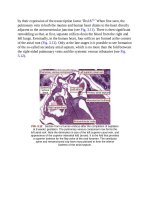
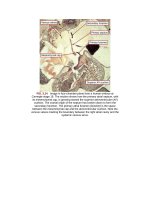
FIG.51.11 Aorticoriginoftherightpulmonaryarteryviewedfromtheleft
side.Theascendingaortahasbeenincisedlongitudinallyand
demonstratestherightpulmonaryarteryarisingfromtheascendingaorta.
Ithadbeendifficulttoexplainthislesiononthebasisofconventional
embryology.However,therecognitionthattheprotrusionfromthedorsalwallof
theaorticsacseparatestheintrapericardialarterialtrunks(seeFig.51.3)
suggeststhatanomalousgrowthofthisprotrusionfromthedorsalwallofthe
aorticsaccanleavetherightPAincontinuitywiththesystemic,ratherthanthe
pulmonary,componentofthesac.Wehavealsoencounteredacasewith
anomalousoriginoftheleftPAfromtheaorta,whichshowsgreatsimilarity
fromitsexternalappearancewithAPwindow.Atfirstsightitseemsthatthereis
asmallwindowbetweentheintrapericardialcomponentsofthearterialtrunks
(Fig.51.12A).However,openingtheaortarevealstheaorticoriginoftheleft
PA,withnocommunicationtothepulmonarytrunk(seeFig.51.12B).