Andersons pediatric cardiology 988
Bạn đang xem bản rút gọn của tài liệu. Xem và tải ngay bản đầy đủ của tài liệu tại đây (114.37 KB, 3 trang )
inthosewithaventricularseptaldefectaccordingtothemostrecentdatafrom
TheSocietyofThoracicSurgeonsCongenitalHeartSurgeryDatabase.63
Survivalapproaches100%insomeseries,whichincludepatientswitha
ventricularseptaldefect.64Factorsassociatedwithanincreasedriskofmortality
includethepresenceofaventricularseptaldefect,therequirementforprolonged
cardiopulmonarybypass,earlygestationalage,institutionalvolume,andsome
coronaryanomalies.65–68
TimingoftheArterialSwitchOperation
Inmostneonateswithanintactventricularseptum,thearterialswitchis
undertakeninthefirstweekoflife.Asdiscussed,theprincipalreasonfor
carryingoutsurgeryearlyintheneonatalperiodinsuchinfantsistoavoidthe
deconditioningoftheleftventricle.Itisknownthattheleftventricularmass
beginstoregresswithinafewdaysofbirth,andifthiscontinues,theleft
ventriclewillloseitsabilitytosupportthesystemiccirculationsubsequenttothe
arterialswitchoperation.Deconditioningmaybearrested,orslowed,bythe
presenceofaventricularseptaldefect,alargepatentarterialduct,orobstruction
totheleftventricularoutflowtract.Byallowingafewdaysbeforeoperating,the
newbornachievesmorecompletetransitionofcirculation,maturationoforgan
function,decreaseinpulmonaryvascularresistance,andinitiationofenteral
nutrition.Recentevidencesuggeststhatoutcomes(mortalityandmorbidity)may
bebestwhensurgerytakesplaceat3to4daysoflife(intheabsenceofsurgical,
medical,orothercontraindications).43,69,70Manycentersarecurrentlymoving
thetimingofsurgerytoearlierandearlier,whichisalsoaffectingthedecision
analysisofwhethertoperformaseptostomyand/orcontinuetoinfuse
prostaglandin.70
Theagebeyondwhichaprimaryarterialswitchoperationcannotsafelybe
undertakenisilldefined.Recentdatafromthedevelopingworldareillustrative.
Inaretrospectivestudyof778infantsundergoingsurgeryfortranspositionin
resource-limitedcountries,80%underwentasingle-stagearterialswitch
operation.Only11%ofalloperationswereperformedwithinthefirstweek,and
mostoftheremainderwereperformedbeyondthefirstmonthoflife.The
mortalityratewashighat15%,butageatthetimeofsurgerywasnotapredictor
ofrisk.71Inadifferentcohortofpatientsranginginagefrom1toalmost7
monthswhowereconsideredtohavefavorableleftventriculargeometry,early
andlatemortalityaftersingle-stagearterialswitchoperationwas2.6%and
2.7%,respectively.72
Therehasbeensignificantinterestinthepreoperativeechocardiographic
assessmentoftheabilityoftheleftventricletosupportthesystemiccirculation
inthepostoperativestate.Thepositionoftheinterventricularseptumhas
traditionallybeenused(Fig.37.19).However,inonestudy,compressionofthe
ventricletoabananashapewasshownnottobepredictiveofthedurationof
postoperativeventilation,thesubsequentneedforextracorporealsupport,or
mortalityinpatientsundergoinganarterialswitchoperationatgreaterthan3
weeksofage.73Severalquantitativecriterionshavesubsequentlybeenproposed
toidentifythepatientinwhomtrainingoftheleftventriclemayberequired.
Theseincludealeftventricularend-diastolicvolumeoflessthan90%of
predicted,aleftventricularejectionfractionoflessthan0.5,aleftventricular
muralthicknessatend-diastoleoflessthan4mm,apredictedleftventricular
muralstressoflessthan120×103dynes/cm2,74aleftventricularmassofless
than60%ofpredicted,75or,whenindexedtothesurfaceareaofthebody,ofless
than35G/m2.76
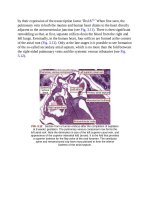
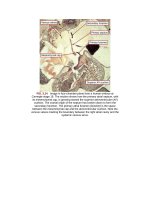
FIG.37.19 Echocardiographicimagefroma9-month-oldpatientwithan
intactventricularseptum.Theventricularseptumcanbeseenbulginginto
theleftventricle(LV).RV,Rightventricle.
Two-StageRepair
Inpatientsforwhomitisconsideredthattheleftventriclemaynotsupportthe
systemiccirculation,atwo-stageapproachmaybeconsidered.First,the
pulmonaryarteryisbanded,andthearterialswitchoperationisperformedaftera
periodofleftventricular“training.”Whenthetwo-stageapproachwasfirst
introduced,anintervalofbetween5and8monthswasallowedtoelapseafter
thepulmonaryarterialbanding.Ithassincebecomeclearthattheimmature
ventriclehasthecapacityforrapidhypertrophy,77sothatadequatepreparation
canbeachievedwithindays.Withbetterpreoperativeandpostoperative
management,thisstrategyislesscommonlyusedcurrently,insteadproceeding
withaprimaryarterialswitchoperationinthesepatients,anticipatingand
managingthehemodynamicconsequencesofthatdecision.
CoronaryArterialAnatomy
Adecadebeforethearterialswitchbecameroutine,YacoubandRadley-Smith78
describedtheirclassificationofthemostcommoncoronaryarterialpatterns,as
wellasmethodsfortheirtransfer.Oncethearterialswitchhadbecomeroutine,
BrawnandMeedescribedavarietyoftechniquesforcoronaryarterialtransferin
thosepatientswithmorecomplexarrangements.79Inananalysisofthe
outcomesforalargecohort,itwasshownthatanarrangementinwhichoneor
bothofthemajorcoronaryarteriespassedbetweenthearterialtrunkswas
associatedwithanincreasedriskofmortality.80Theeffectofcoronaryartery
originonoutcomelikelyvariesbetweeninstitutionswithnoeffectdemonstrated
insomeseries.64Anextensivemultiinstitutionalanalysisundertakenbythe
CongenitalHeartSurgeonsSocietyhasbeenreviewedonaregularbasis.
Althoughearlierreviews81,82suggestedthatthearrangementofthecoronary
arteriesdidnotimpactonoutcome,inretrospect,therelativelyhighoverall
mortalityatthistimemayhavemaskedthesubtlecontributionofcoronary
arterialanatomy.Inalateranalysis,83whichincludedmorethan500patients,the
anatomyofthecoronaryarterieswasshowntobeariskfactor.Inthisseries,
therewereanumberofarrangementsthatwereassociatedwithreducedsurvival.
Theseincludedthemainstemoftheleftcoronaryartery,theleftanterior
interventricularorthecircumflexarteryarisingfromsinus2,orthepresenceof
anintramuralcoronaryartery.Ameta-analysis,68whichincludedalmost2000
patients,showedthatmortalityforthosewithanyvariantcoronaryarterial