Andersons pediatric cardiology 986
Bạn đang xem bản rút gọn của tài liệu. Xem và tải ngay bản đầy đủ của tài liệu tại đây (122.68 KB, 3 trang )
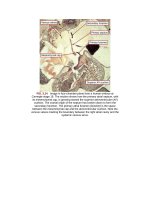
FIG.37.16 Echocardiographicimagesobtainedduringanatrial
septostomy.Thecathetercrossestheovalforamen(arrow).Theballoonis
inflatedwithintheleftatrium(LA),anditsrelationshiptothemitralvalve
(MV)canbeseen(A).Aftertheballoonispulledacrosstheatrialseptum,
itslocationintherightatrium(RA)canbeseen(B).LV,Leftventricle.
Aseptostomycanresultinarapidanddramaticimprovementinsystemic
oxygenation.Thisisimportantbecausepreoperativebraininjuryhasbeen
associatedwithboththedegreeofhypoxemiaanditsduration.45Anotherbenefit
istheability,withtheassuranceofadequateinteratrialmixing,tostopthe
prostaglandininfusionpriortosurgery.Doingsomitigatesriskofapnea,
hypotension,andfeverassociatedwiththeinfusion,aswellasadverse
hemodynamicsfrom“ductalsteal.”Withtheductclosed(orsmall),enteralfeeds
maybeadvancedwithoutconcernforsignificantsystemicrunoffcompromising
intestinalperfusion.Forthesereasons,someinstitutionsfeelthatseptostomy
promotesstabilityinthepreoperativepatientanduseitliberally,performingthe
procedureinanypatientinwhomtheanatomicsubstrateisnotobviously
adequateformixingandbeforeanyconcerningclinicalchangecanoccur.
Institutionalpracticeshouldbeguidedbyoutcomedataandcomplicationrates
fortheindividualinstitution.Complicationsassociatedwithseptostomyinthe
settingoftranspositionarerarebutincludeinjurytothesurroundingstructures
(atrioventricularvalves,pulmonary,hepatic,orinferiorcavalveins),air
embolism,andpericardialeffusion.Theoperatormusttakecarenotto
inadvertentlyinjuretheatrialappendage,particularlyinpatientswithleft
juxtapositionoftherightatrialappendage(seeVideo37.2).Inthisarrangement,
theorificeoftherightatrialappendagecanbemistakenfortheatrialseptal
defect,withthepotentialforseverecomplications.Theroutineuseof
septostomycameunderquestionfollowingreportsofanassociationbetween
septostomyandbraininjury.46,47Otherpublicationshavenotfoundthis
association.45,48Furthermore,onestudydemonstratednorelationshipbetween
septostomyandpreoperativebraininjuryor12-monthneurodevelopmental
outcomeinacohortofpatientswithtransposition.49
SurgicalManagement
HistoricalPerspective
Thesurgicaltreatmentoftranspositioncanbeviewedasoneofthegreat
successesinthefieldofpediatriccardiaccare.Survivaliscurrentlythe
expectationinadiseaseonceassociatedwithaveryhighmortalityrate.Early
attemptsatsurgicalanatomiccorrectionwereuniformlyfatal.Pooroutcomes
wereattributabletoinadequatemanagementofcoronaryflow,limited
preoperativeassessmentofanatomyandfunction,limitedmicrovascularsurgical
techniques,andprimitivecardiopulmonarybypasscircuits.Inaddition,many
babiestendedtobeextremelyunwellatthetimeofsurgery.Asaresult,atrial
septectomybecametheonlypalliativeoption.50Bythe1960s,palliations
involvingatrialredirectionwerebeginningtobeadopted—firsttheSenningand
thentheMustardprocedure.51Furtherimprovementinsurvivalcanbeascribed
totheadventoftheballoonatrialseptostomy.Thisrelativelysimpleprocedure
providedrapidcirculatorystabilizationandaffordedamostlyuncomplicated
periodofgrowthandnutritionpriortoatrialredirection,whichcouldthenoccur
at6to12monthsofage.Anatomiccorrection,bymeansofthearterialswitch
operation,wasfirstsuccessfullyperformedbyDr.AdibJatenein1975.Despite
aninitialsubstantialincreaseinmortalityinmanycenters,assurvivalimproved,
thearterialswitchwouldultimatelyreplaceatrialredirectionproceduresand
becomestandardofcareforthisconditionbythe1990s.52
AtrialRedirectionProcedures
Theabilitytoachievestabilizationofthepatientbymeansoftheatrial
septostomybeforesurgerysetthesceneforimportantsurgicaladvancesinthe
early1970s.Atrialredirectionsurgeryprovidedphysiologiccorrection,in
contrasttotheanatomiccorrectionmorerecentlyofferedbythearterialswitch
operation.Nowadays,therefore,theMustardandSenningproceduresarerarely,
ifever,performedasprimaryproceduresandwillbeonlybrieflydiscussed
here.53–56Theirgreatestrelevanceincurrentpracticerelatestothesignificant
populationofadultswhoaredevelopinglatecomplicationsoftheprocedure,
suchasbaffleobstruction,arrhythmias,ventriculardysfunction,andend-stage
heartfailure,alongwiththeiruseinpatientswithcongenitallycorrected