Andersons pediatric cardiology 984
Bạn đang xem bản rút gọn của tài liệu. Xem và tải ngay bản đầy đủ của tài liệu tại đây (139.74 KB, 3 trang )
demonstrationofconcordantatrioventricularanddiscordantventriculoarterial
connections.Theatrioventricularconnectionscanreadilybeexaminedusing
subcostalandapicalfour-chamberviews.Anteriorangulationofthetransducer
thendemonstratesthediscordantventriculoarterialconnections.Specifically,the
bifurcatingpulmonarytrunkcanbedemonstratedoriginatingfromtheleft
ventricle,andtheaorta,whichisusuallyanterior,fromtheright(Fig.37.11).
Parasternalimagingrevealstherelationshipsofthearterialtrunks.Typically,the
aorticvalveispositionedanteriorandtotherightofthepulmonaryvalve(Fig.
37.12).
FIG.37.11 Cross-sectionalimagesobtainedfromasubcostalwindowina
patientwithtransposition.(A)Anteriorangulationdemonstratesthe
bifurcatingpulmonarytrunk(PT)arisingfromtheleftventricle(LV).(B)
Furtherangulationdemonstratestheaortaarisingfromtherightventricle
(RV).Inthispatient,theaorticvalveisanteriorandtotherightofthe
pulmonaryvalve.Ao,Aorta.
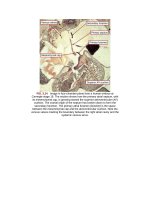
FIG.37.12 Cross-sectionalimageobtainedfromtheparasternalwindow
demonstratingtheanteriorandrightwardpositionoftheaorticvalve(AV)
relativetothepulmonaryvalve(PV).(CourtesyDr.JoshuaKailin,
www.pedecho.org.)
Havingdemonstratedthebasicanatomicconnections,otheraspectscan
readilybeappreciated.Juxtapositionoftheatrialappendages(mostcommonly
leftjuxtapositionoftherightappendage)canbedemonstratedfromapical,
parasternal,orsubxiphoidwindows(Video37.2).Additionalsubxiphoid,apical,
andparasternalviews,combinedwiththeuseofcolorDopplerinterrogation,
shouldbeusedtoconfirmorexcludethepresenceofaventricularseptaldefect
anddemonstratethedirectionofassociatedshunting.Adetailedexaminationof
thepulmonaryvalveandtheleftventricularoutflowtractisanessentialpartof
thepreoperativeassessmentbecauseanysignificantobstructiontotheleft
ventricularoutflowmayinfluencesurgicalmanagement.Theatrioventricular
valvesshouldbeassessedcarefullytoidentifyanyabnormalattachmentsofthe
tendinouscords.
Adetailedassessmentoftheoriginandcourseofthecoronaryarteriesshould
routinelybeperformedpriortosurgicalintervention.Thisrequiresinterrogation
frommultipleviewsandisaidedbyafamiliaritywiththecommonarrangements
intransposition(Fig.37.13).Determiningintramuralityofacoronaryarteryis
challengingbutissuggestedwhenthevesselpassesbetweensemilunarvalvesor
hasahightake-offfromtheaorta.37Patencyofthearterialductandthedirection
ofductalshuntingshouldbeconfirmed.Thesefeaturesarebestvisualizedfrom
thesuprasternalandhighsagittalviews,sweepingbetweentheaortaand
pulmonaryartery.Theaorticarchshouldalwaysbeassessedindetailtoexclude
coarctationorinterruption.Asitisdifficulttoexcludecoarctationinthe
presenceofawidelypatentarterialduct,repeatstudiesshouldbeconsideredto
reassessthearchaftertheprostaglandininfusionisdiscontinued.
FIG.37.13 Imagesobtainedfromasubcostalwindowdemonstratingthe
coronaryarteries.(A)Anteriorangulationdemonstratesthecourseofthe
circumflexartery(circ.).(B)Furtherangulationdemonstratestheright(Rt.)
andleftanteriorinterventriculararteries(LAI)originatingfromacommon
origin.
Theatrialseptumandthedegreeofinteratrialshuntingarebestvisualized
usingsubcostalwindows.Thedemonstrationofasmallinteratrial
communication,deviationoftheatrialseptumtowardstherightatriumorhighvelocityleft-to-rightflowonpulsedwaveDoppler,shouldimmediatelysuggest
thepresenceofrestrictionattheinteratrialcommunication,particularlyina
severelycyanosedinfant.However,itisimportanttonotethatnormalseptal
alignmentortheabsenceofhigh-velocityflowacrosstheseptumdoesnot
necessarilymeanthatalliswell.Rather,inthepresenceofaninadequateatrial
communication,bloodmaysimplytravelacrossthemitralvalveintotheleft
ventricle,nevercreatingaleftatrialtorightatrialpressuregradient.
CardiacCatheterization
Cardiaccatheterizationisnolongerroutinelyperformed;allnecessaryanatomic
informationmaybeobtainedfromcross-sectionalechocardiography.Thereis
stillanoccasionalroleforcardiaccatheterizationintheassessmentofthe