Andersons pediatric cardiology 366
Bạn đang xem bản rút gọn của tài liệu. Xem và tải ngay bản đầy đủ của tài liệu tại đây (116.06 KB, 3 trang )
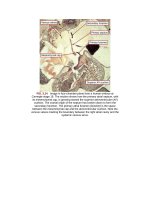
FIG.16.10 Aortic(A)andpulmonary(B)homografts.Thevalvesare
harvestedalongwithasegmentoftheoutflowtractandvaryinglengthsof
artery.(FromBotesL,vandenHeeverJJ,SmitE,etal.Cardiacallografts:
a24-yearSouthAfricanexperience.CellTissueBank.2012;13[1]:139–
146.)
PulmonaryAutograftValves
Thepulmonaryautograftcanbeharvestedfromtherightventricularoutflow
tractandusedasareplacementoftheaorticvalve(theRossprocedure).118The
nativeoutflowtractfromtherightventricleisthenreconstructedwithanother
conduit,typicallyahomograft.Thepulmonaryautograftisparticularlyattractive
forinfantsandsmallchildrenasthenative,viabletissuewillgrowwiththe
patients.119ModernresultswiththeRossprocedureinthepediatricagegroup
havebeenencouraging.120MulticenterregistrydatafromtheNetherlandsand
Germanyshowsthatamong263patientslessthan17yearsofageatthetimeof
theRossprocedurethe10-yearfreedomfromaorticvalvereinterventionwas
95%.121Althoughneonatesandinfantsareatincreasedriskofearlymortality,
amongsurvivorsfreedomfromaorticvalvereinterventionwas98%at10
years.122,123Althoughtheautograftdoesallowforgrowth,latedilatationofthe
neoaorticrootwithresultantaorticinsufficiencyhasbeenidentifiedina
subgroupofpatientsundergoingtheRossprocedure.Atleasttwomechanisms
resultinginregurgitationappeartoexplaindysfunctionoftheautograft.Patients
undergoingtheRossprocedureforisolatedaorticincompetencehavebeen
showntohaveanincreasedriskfordevelopmentofincompetence,primarilydue
todilationoftheleftventriculo-aorticjunction.PatientsundergoingtheRoss
procedureforcongenitalaorticstenosishaveanincreasedincidenceof
ascendingaorticdilation,withdilationofthesinutubularjunctionthatalso
resultsinaorticinsufficiency.Effortstolimitdevelopmentofautograftdilation
andinsufficiencyincludetheuseofannuloplastysutures,andplacementofthe
autograftwithinaDacrontubegraft.124,125Bothofthesetechniqueslimitthe
potentialforgrowth,andareonlysuitableinolderpatients.Theriskofautograft
dilatationhasledtorenewedinterestinthesubcoronaryimplantationtechnique
inteenagersandadults.Utilizingthistechniqueforautograftimplantation,the
meanpeakgradientinaseriesof347patientswaslessthan10mmHg.There
was95%freedomfromautograftreinterventionat10years.126Althoughitis
generallyacknowledgedthatthepulmonaryhomograftplacedduringtheRoss
procedurehasgreaterlongevitythanthatusedforreconstructionoftheright
ventricularoutflowtractforotherformsofcongenitalcardiacdisease,
presumablyduetotheorthotopicposition,normalpulmonaryarteries,and
pulmonaryvascularresistance,recentdataindicatethatreplacementstillwillbe
necessary.127,128Additionalstudieshaveindicatedthatevenamild,and
apparentlyacceptable,gradientacrosstherightventricularoutflowtractwill
increaseimportantlyduringexercise,andthatexercise-inducedarrhythmiasare
commonfollowingtheRossprocedure.129
SelectionofValves
Noconsensushasbeenreachedonselection,butsomegenerallyaccepted
guidelinesarepresented.Foruseintheaorticpositioninneonates,infants,and
smallchildren,theRossprocedureiscommonlychosenbecauseit
accommodatesgrowthandanticoagulationisnotrequired.Furthermore,thesize
oftheautograftmatchesthesizeofthenormalleftventricularoutflowtract,and
lesserdegreesofenlargementoftheaorticrootarerequiredcomparedto
mechanicalvalves.Homograftscanbeusedintheaorticpositionininfantsand
smallchildren,eitherasafirstchoice,orifthepulmonaryvalveisdeemed
unsuitableforuseintheaorticposition.Forolderchildren,eithertheRoss
procedureormechanicalvalveshaveacceptableoutcome.Xenobioprosthetic
valveswithinvalvedconduitshavebeenusedasconduitsfromtheleft
ventricularapextotheaortaforreliefofsevereandcomplexobstructioninthe
leftventricularoutflowtract.Becauseofthepotentialforrapidand
unpredictabledegeneration,xenobioprostheticvalvesaregenerallynotusedfor
aorticvalvereplacementinchildrenoryoungadults.
Mechanicalvalvesarecommonlyusedforthemitral(orsystemic
atrioventricularjunction)position.Despitetheneedforanticoagulation,these
valveshavethenecessarydurability.Mortalityaftersuchreplacementcontinues
tobehighinyoungerchildren.Results,however,seemtobeimproving,with
onestudyshowingreductioninoperativemortalityfrom31%to3.6%when
comparingchildrenreceivingoperationsatthesameinstitutionbeforeandafter
1990.93Arecentreportshowedanearlymortalityrateof13%inchildren
youngerthan2yearsundergoingreplacementofthemitralvalve,130afigureto
becomparedwithamortalityrateashighas52%inareportfrom1990.131
Xenobioprostheticvalvesarerarelyusedinthemitralpositionduetothehigh
ratesofcalcificationandfailure.132,133Exceptionscanbemade,however,in
extremecircumstances,suchashematologicdisordersorpregnancy,whenthere
isaneedtoavoidanticoagulation.Thereareadvocatesfortheuseofthe
pulmonaryautograftinthemitralposition,aprocedurenowknownastheRoss
II.TheautograftisplacedwithinaDacrontubegraft.Theshort-termresultsare
good,andthereisnoneedforanticoagulation,134butfollow-upislimited.The
Melodyvalve(MedtronicCorporation)isabovinejugularveinvalveplacedin
anexpandablestentthatwasdevelopedspecificallyforuseinthepulmonary
valveposition(Fig.16.11).Thisvalvehasbeenadaptedforuseininfantsand
smallchildrenformitralvalvereplacement.Thevalveremainscompetenteven
whennotfullyexpanded.Afterplacementthevalvecanbeseriallydilatedto
permitpatientgrowth.Experienceislimitedtosmallsingle-institutionseriesand
long-termoutcomeisnotknown.135