Andersons pediatric cardiology 360
Bạn đang xem bản rút gọn của tài liệu. Xem và tải ngay bản đầy đủ của tài liệu tại đây (129.37 KB, 3 trang )
resternotomyrequirescarefulassessmentandplanningbecauseadhesionscan
developbetweentheunderlyingcardiacstructures.Reopeningthesternumcan
resultinentryoftheunderlyingheartchamberorgreatvesselsandresultin
seriousorevenlife-threateninghemorrhage.Thediagnosis,previousoperation,
andcarefulreviewofoperativereportscanhelpidentifypatientsatincreased
risk.Preoperativeimagingstudiesshouldbereviewedwiththeresternotomy
incisioninmindtoidentifystructuresatrisk.Additionalimagingwith
computerizedtomographyandmagneticresonanceimagingmaybenecessaryto
allowcarefulassessmentoftherelationshipofcardiacchambers,greatvessels,
andconduitstothesternumbecauseoftheriskofhemorrhagewith
resternotomy.Thatsaid,themorbidityandmortalityoftheseoperationshave
graduallyimprovedasmoreexperiencehasbeengainedwiththese
operations.2–11Inadults,themortalityriskincreaseswithincreasingnumberof
reoperations.However,inchildren,resternotomyhasnotbeenassociatedwithan
increasedmortalityriskoranincreasedriskofmorbiditysuchashemorrhageor
neurologicinjury.6Nevertheless,therearehigherriskresternotomypatients.The
presenceofarightventricletopulmonaryarteryconduitisassociatedwithan
increasedriskofresternotomyinjuryandeachpatient'suniqueanatomyshould
becarefullyevaluatedpriortoresternotomy.7
Preparationforemergentvolumesupport,andidentificationofalternative
sitesofaccessforcardiopulmonarysupport,areessential.Bloodshouldbe
immediatelyavailableatthetimeofresternotomy.Inadultsandolderchildren,
thefemoralvesselsarefrequentlyusedforaccess.Inolderpatientswhohave
hadmultiplepreviouscardiaccatheterizationsandcardiacsurgicalprocedures,
ultrasonicinterrogationoraxialimagingofthefemoral,iliacvessels,anddistal
aortashouldbeusedtoverifypatency.Thebrachiocephalicartery,accessed
throughthesternalnotch,andtheaxillaryvesselsprovidealternativesitesfor
emergencyaccess.Whenapatientisidentifiedashighriskforresternotomy
injury,theaxillaryarterycanbeaccessedthroughaninfraclavicularincision
priortoresternotomy.Inolderpatients,useofasidegrafttocannulatethis
vesselforcardiopulmonarybypass(CPB)isassociatedwithdecreasedmorbidity
suchasinjurytothebrachialplexus.8Thecommoncarotidandinternaljugular
veinsmaybeusedforperipheralcannulationforemergentCPBininfants,
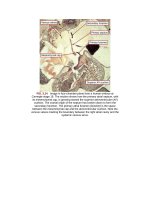
children,teenagers,andyoungadults(Fig.16.3).Preparationshouldalsobe
madeforexternalcardioversionshouldthepatientdevelopanarrhythmiabefore
directaccesstotheheartisobtained.Resternotomyisaccomplishedusingan
oscillatingsaw(seeFig.16.2).Thisdevicehasahorizontalbladetranslating
throughashortdistancethatlimits,butbynomeanseliminates,theriskofinjury
tounderlyingvascularstructures.Whenthesecomplexreoperationsare
completed,aformalizedhemostasischecklisthasbeendemonstratedtoreduce
theneedforreoperationsforbleedinginadultpatients.Theyprovidethe
clinicianwithasystematicapproachtoassessthepotentialforpostoperative
bleedingsitespriortoclosureofthemediastinum.9Preparationforsafe
resternotomybeginsatthecompletionofthepreviousoperationand
considerationforfutureoperationsshouldbetakenintoaccountinanypatientin
whomresternotomyislikely.Asheetofpolytetrafluoroethylene(PTFE)canbe
placedovertheheartatthetimeofclosureinachildinwhomsubsequent
reoperationisanticipated.ThePTFEsheethasbeendemonstratedtoaidinthe
preventionofcardiacinjuryduringsubsequentreoperations.10Morerecently,
bioresorbableadhesionbarriershavebeendevelopedandearlyresultsshowed
promiseinreducingtheseverityandextentofmediastinaladhesionduring
repeatsternotomy.11
FIG.16.3 Therightaxillaryarterycanbeaccessedintheinfraclavicular
spaceandcanbeusedforperipheralarterialcannulation.(A)The
infraclavicularincision.(B)Exposureoftheaxillaryarteryandveinshowing
thepositionofthebrachialplexus.(C–D)Cannulationoftheaxillaryartery
forcardiopulmonarybypass.
Infectionofthesternalwoundandmediastinitisarerarecomplicationsin
children,butdooccur.Forthemostpartthesecomplicationsaremoreeasily
managedthaninolderpatients.12Inparticular,osteomyelitisofthesternumis
exceedinglyrare,13andsternalresection,acommonnecessityinadultswithan
infectedsternalwound,isvirtuallyneverrequiredinchildren.Inchildren,
reexploration,debridement,irrigation,andimmediateclosureoverdrainshas
beensuccessful.12Inrarecasesofprimarysternalosteomyelitis,thesternumcan
bedebridedleavingtheposteriortableintactforlessaggressiveinfections.The
woundisthenclosedoverantibiotic-impregnatedbeads,andthepatienttreated
withparenteralantibioticsfor6weeks.14Avarietyoftechniqueshavebeenused
toaddressmoresignificantinfections,includingtheuseofvacuumdressings,
omentalflaps,15andflapsoftherectusabdominismuscle.16Thesetechniques