Andersons pediatric cardiology 954
Bạn đang xem bản rút gọn của tài liệu. Xem và tải ngay bản đầy đủ của tài liệu tại đây (124.27 KB, 3 trang )
CharacteristicPatternsofPulmonaryArterialSupply.
Thepotentiallycomplexsituationcanbesimplifiedbyrecognizingthreemajor
patternsofpulmonaryarterialsupply:(1)confluentrightandleftright
pulmonaryarteriessuppliedbyanarterialduct,(2)confluentintrapericardial
pulmonaryarteriescoexistingwithsystemic-to-pulmonarycollateralarteries,
and(3)absenceofintrapericardialpulmonaryarteries.Themostfavorable
arrangementisthatinwhichtherightandleftpulmonaryarteriesareconfluent
andaresuppliedbyanarterialduct(seeFig.36.3).Withthispattern,the
pulmonaryarteriesthemselvesareusuallydistributedinnormalfashiontoallthe
bronchopulmonarysegments.Suchapulmonaryarterialsupplyisunifocal.In
thesecondmajorpattern,theintrapericardialpulmonaryarteriesareconfluent
butcoexistwithsystemic-to-pulmonarycollateralarteries(seeFig.36.6).The
distributionoftheconfluentpulmonaryarteriesthemselvesisvariable,although
itisunusualtofindthemsupplyingallthebronchopulmonarysegments.Inmost
instancesthebloodpassingthroughtheconfluencesuppliestwo-thirdsorlessof
thepulmonaryparenchyma.Eveninthissetting,theultimatesupplytothe
pulmonaryarteriesisviathecollateralarteries,althoughtheanastomoseswith
theintrapericardialnetworkcanbefoundathilar,lobar,orsegmentallevels(see
Fig.36.6).Theconfluenceofthepulmonaryarteriesitselfalsovariesmarkedly
insize,reflectingthenumberofthebronchopulmonarysegmentssupplied.In
thissettingthepartsofthelungnotsuppliedbytheintrapericardialpulmonary
arteriesarefeddirectlybysystemic-to-pulmonarycollateralarteries(isolated
supply),withfurthervariationinthenumberofarteriespresentandtheamount
oflungsuppliedbyeachartery.Inmostcasesthepulmonaryarteriesandthe
collateralarteriesdonotseparatelysupplydifferentportionsofagivenlung
segment,butinsomecasesthetwosetsofarterialramificationscanintermingle
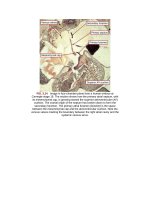
withinthesamesegment(Fig.36.9).Thethirdtypicalpatternofarterialsupply
isencounteredwhenthereisabsenceoftheintrapericardialpulmonaryarteries.
Insuchcircumstances,allofthebronchopulmonarysegmentsaresuppliedby
systemic-to-pulmonarycollateralarteries,whicharedesignatedasisolated
supply.Inthepresenceofsystemic-to-pulmonarycollateralarteries,therefore,
thekeystocompleteclinicaldiagnosisaretoestablishthecourseofeachartery,
todocumentwhetheritrunsdirectlyintothelungormakesconnectionswith
intrapericardialandcentralpulmonaryarteries,andtoidentifywithprecisionthe
sitesoftheseanastomoses.
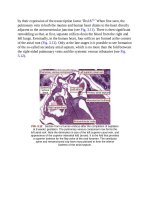
FIG.36.9 Dissectionofthelowerlobeoftherightlungfromapatientwith
tetralogyandpulmonaryatresia.Thedissectedbronchopulmonary
segmenthasadualarterialsupplywiththebranchesofanintrapericardial
pulmonaryartery(coloredred)andthebranchesofasystemic-topulmonarycollateralartery(coloredblue).
Morphogenesis
Muchhasbeenwrittenaboutthemorphogenesisofboththeventricularand
pulmonaryarterialfeaturesofTOF/PA,althoughderivedfromspeculative
embryologicconceptsandarguablynotimprovingourunderstanding.Fromthe
stanceofventricularmorphology,theanomalyisreadilyexplainedintermsof
end-stageTOF,withvariationdependingonthespecificmorphologyofthe
subarterialoutlets.Somecases,incontrast,canbeinterpretedasrepresentinga
commonarterialtrunkwithabsenceoftheintrapericardialpulmonaryarteries,
suchasthoseinwhichasolitarytrunkisconnectedtotheventricularmassinthe
absenceofcentralpulmonaryarteries.Inthesettingofabsenceofthe
intrapericardialpulmonaryarteriesandwithnoevidenceofasubpulmonary
infundibulumwithintherightventricle,thedistinctionbetweenacommontrunk
asopposedtoanaortadependsonwhether,hadtheintrapericardialpulmonary
arteriesbeenpresent,theywouldhavetakenoriginfromanarterialtrunkor
directlyfromtherightventricle.Thisargumentcannotbeconsidered
hypothetical,sinceheartsdoexistwithanatreticpulmonarytrunkarisingfrom
anarterialtrunk,thusshowingthatthetrunkitselfwasinitiallyacommon
structure.Studiesofratsdosedwithbisdiamine,furthermore,haverevealedthat
somefetusesdevelopedTOF,whereasothersexhibitedacommonarterialtrunk
withPA.8Fromthestandpointofdescription,theconundrumisresolvedsimply
bydescribingtheascendinggreatarteryfoundintheabsenceofthepulmonary
trunkasasolitaryarterialtrunkratherthananaorta.
Embryologyhasalsolongbeenusedtoexplainthetypicalpatternsof
pulmonaryarterialsupply.ThusthelungsinTOF/PAaresuppliedeitherthrough
theconfluenceofthepulmonaryarteriesfedbythearterialduct,itselfderived
fromtheembryologicsixthaorticarch,orelsethroughsystemic-to-pulmonary
collateralarteries.9Initiallythedevelopingintrapulmonaryarterialplexusis
connectedtotheprimitiveintersegmentalarteriesthatinturn,areconnectedto
thearteriescoursingthroughthepharyngealarches,eventuallyretaining
connectiontothearteriesofthefourtharch.10Itissuggestedthatwhenthe
intrapulmonaryplexuseventuallyachievesitsconnectiontothesixtharch,it
losesitsconnectionswiththesystemicarterialsystem.6Thesystemic-topulmonarycollateralarteriesareexplainedonthebasisofpersistenceofthe
primitiveintersegmentalarteries,someofwhichalsobecomebronchialarteries.
Itisarguedthatthesecollateralarteriespersistonlyintheabsenceoftheduct,
whichisthecriticalconnectionbetweenthestructuresderivedfromthesixth
archandtheaorticsac.Thisconceptaccountsadequatelyforthemajorityof
casesandoffersanexcellentworkinghypothesis.Inthemajorityofcases,
nonetheless,thesedevelopmentalconsiderationsaidinprovidinganexplanation
ofthecomplexityofthepulmonaryarterialsupply.Inessence,the
intraparenchymalpulmonaryarteriesdevelopalongwiththelungs.Theyarethe
finalcommonpathwaysupplyingarterialbloodtothepulmonaryairsacs.This
commonpathwaycanbesuppliedatthehilum,eitherbytheintrapericardial
pulmonaryarteriesfedthroughthearterialduct,thederivativeofthearteryto
thesixthpharyngealarch,bytherarersourcesofunifocalsupply,orelseby
systemic-to-pulmonarycollateralarteries,whichareprimitiveintersegmental
arteries.Thesesourcesofsupplycananastomosewithdifferentpartsofthelungs
inthesamepatient,althoughusuallyallthearteriesinonelungaresupplied
eitherbytheductorelsebythesystemic-to-pulmonarycollateralarteries.The
commonpathwaycansubsequentlybefurtherenhancedbyacquiredcollateral
arteries,whichreinforcetheacinarsupplyatprecapillarylevel.