Andersons pediatric cardiology 951
Bạn đang xem bản rút gọn của tài liệu. Xem và tải ngay bản đầy đủ của tài liệu tại đây (120.22 KB, 3 trang )
isseeninthestructureofthesubpulmonaryoutflowtract,withthemuscular
outletseptum,oritsfibrousremnant,whenpresent,beingdisplacedanteriorly
andcephaladrelativetothelimbsoftheseptomarginaltrabeculation(Fig.36.2).
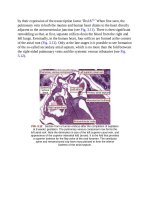
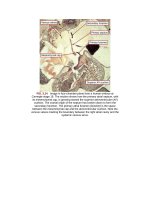
FIG.36.2 Varyingintracardiacmorphologytobefoundinthesettingof
tetralogyofFallotwithpulmonaryatresia.(A–B)Intheseheartsthe
muscularoutletseptumisattachedtothecraniallimboftheseptomarginal
trabeculation(yellowbars).Thepulmonaryvalveisimperforatein(A),
whereastheatresiaismuscularin(B).(C)Heartwithanatreticpulmonary
trunkbutnoevidenceofformationofthesubpulmonaryinfundibulum.The
ventricularseptaldefect(star)isperimembranousin(A),hasamuscular
posteroinferiorrimin(B),andisdoublycommittedandjuxta-arterialin(C).
Inasmallnumberofcases,theatresiaisfoundatthemouthofthemuscular
infundibulum,andthepulmonaryvalveitselfmaybepatent.Alternatively,there
canbeanimperforatepulmonaryvalve(seeFig.36.2A).Inthemostcommon
pattern,themuscularoutletseptumfusesdirectlywiththeparietalmusculature
oftherightventricle,thusobliteratingtheventriculopulmonaryjunction(see
Fig.36.2B).Thereisamuscularwallbetweenthecavitiesoftherightventricle
andthepulmonarytrunk.Occasionallythesubpulmonaryoutflowtractis
completelyabsent,sothattheleafletsoftheaorticvalveareattacheddirectlyto
theparietalventricularwall(seeFig.36.2C).Thisarrangementisreminiscentof
commonarterialtrunk.IntheexampleshowninFig.36.2,however,theatretic
pulmonarytrunktakesitsoriginfromtherightventricularmusculature,
confirmingthatthepatentarterialtrunkisanaorta.Shouldtheintrapericardial
pulmonaryarteriesalsobeabsent,itwouldbeimpossibletobesurewhetherthe
patenttrunkhad,initially,beenanaortaandnotacommonstructure.Thusthe
arrangementwithabsenceofthepulmonarytrunkisbestdescribedasasolitary
arterialtrunk,althoughthatclinicalpresentationisthesameasforTOF/PA.In
othercases,afibrousremnantoftheoutletseptuminterposesbetweenthe
leafletsoftheaorticvalveandanimperforatepulmonaryvalve.This
arrangementrepresentsTOF/PAinthesettingofadoublycommittedandjuxtaarterialventricularseptaldefect,asdoesthearrangementwithcompleteabsence
ofthesubpulmonaryinfundibulum(seeFig.36.2C).
Theventricularseptaldefect,roofedbytheoverridingaorta,usuallyhasa
fibrousposteroinferiorbordermadeupofcontinuitybetweentheleafletsofthe
aorticandtricuspidvalvesandoftenreinforcedbyamembranousflap.This
arrangementmakesthedefectperimembranous(seeFig.36.2A).Casescanalso
befound,asintetralogywithpulmonarystenosis,whentheposteroinferiorlimb
oftheseptomarginaltrabeculationfuseswiththeventriculoinfundibularfold.In
thissetting,thedefecthasexclusivelymuscularborderswhenviewedfromits
rightside(seeFig.36.2B).Thismuscularrim,whenpresent,servestoprotect
theventricularconductiontissues,separatingthemfromthecrestoftheseptum.
Asdiscussedearlier,thedefectcanalsoextendtobecomedoublycommittedand
juxta-arterial.Suchdoublycommitteddefectscanthemselvesextendtobecome
perimembranous,butmoreusuallytheyhaveamuscularposteroinferiorrim(see
Fig.36.2C).Rarelytheventricularseptaldefectmayberestrictiveduetotissue
tagsderivedfromtheleafletsofthetricuspidvalve.Inthissetting,theoverall
anatomyoftheheartismorelikePAwithintactventricularseptum,usuallywith
athick-walledrightventricleandareducedcavity.Thepreciseconnectionofthe
leafletsoftheaorticvalve,asintetralogywithpulmonarystenosis,canvary
markedly.Inmostinstances,theleafletsoftheaorticvalveareconnectedlargely
withintheleftventricle.Heartscanalsobefoundwithpredominantoreventotal
commitmentoftheaortatotherightventricle.Thislastcombinationproduces
TOF/PA,butwiththeventriculoarterialconnectionofdouble-outletventricle.
Intrapericardial(Native)PulmonaryArteries
Whenthepulmonaryvalveisimperforate,thepulmonarytrunkispatenttothe
leveloftheventriculopulmonaryjunction(seeFig.36.2A).Eveninthissetting,
thetrunkitselfmaysupplyonlyonepulmonaryartery,theothereitherhavingno
connectionwiththepulmonarytrunkorbeingcompletelyabsent.Inmanyother
cases,thepulmonarytrunkitselfisatretic.Inextremecases,itisrecognizable
onlyasafibrousstrandbetweentheventricularoutflowtractandthepulmonary
arterialconfluence(seeFig.36.2C)oroneofthepulmonaryarteries.Whenthe
rightandleftpulmonaryarteriesarepresent,theyareusuallyconfluent.The
confluenceitself,usuallytetheredbyeitherapatentoratreticpulmonarytrunkto
theventricularmass,hasthecharacteristicangiographicappearanceofaflying
seagull.Itcanvarymarkedlyinsize,usuallydependingonitssourceofarterial
supply.Therightandleftpulmonaryarteriescanbenonconfluent,butoneof
themusuallyretainsitsconnectiontotheremnantofthepulmonarytrunk.
Nonconfluentpulmonaryarteriescanrarelybefoundintheabsencethe
pulmonarytrunk.Eachcaneitherbesuppliedbyoneofthebilateralarterial
ductsoronelungcanbesuppliedbysystemic-to-pulmonarycollateralarteries
withtheotherfedbyaductthroughthepersistingextrapericardialpulmonary
artery.Inthemostsevereexamples,theentireintrapericardialarterialtreecanbe
lacking,withsupplytothelungsexclusivelythroughsystemic-to-pulmonary
collateralarteries.
PulmonaryArterialSupply
Thefinalcommonpathwayofpulmonarybloodsupplyisthecapillaries
associatedwiththeairsacsofthelungs.Thesecapillariesareconnectedtoan
intrapulmonaryplexusofarteries,whichramifieswithinthebronchopulmonary
segments.Differentpartsoftheplexuscanbesuppliedwithbloodfromdifferent
systemicsources.Ifallintrapulmonaryarteriesareconnectedtounobstructed
andconfluentintrapericardialpulmonaryarteries,theconfluencetypically
suppliesallofbothlungs,andthepulmonaryarterialsupplyissaidtobe
unifocal.Whendifferentpartsofonelungaresuppliedfrommorethanone
source,thesupplyissaidtobemultifocal.2,3
UnifocalPulmonaryBloodSupply.
Itisusuallythepersistentlypatentarterialductthatprovidesunifocalpulmonary
arterialsupply(Fig.36.3).Itisexceedinglyrareforconfluentpulmonaryarteries
feedingallofbothlungstobesuppliedbyasolitarysystemic-to-pulmonary
collateralartery.Inrarecases,however,theconfluentpulmonaryarteriescanbe
fedinunifocalfashionthroughanaortopulmonarywindoworviaafistulafrom
thecoronaryarteries.Thepulmonaryarteriescanalso,rarely,befedunifocally
throughapersistentarteryofthefifthpharyngealarch,suchasananomalous