Andersons pediatric cardiology 855
Bạn đang xem bản rút gọn của tài liệu. Xem và tải ngay bản đầy đủ của tài liệu tại đây (44.46 KB, 3 trang )
(seeVideo32.17),theotherapproachesoracombinationmaybenecessary.For
example,inthe“swiss-cheese”muscularapicaldefects,arightand/orleft
ventriculotomymaybenecessaryforadequateexposure.Thesurgeonmayopt
individuallytoclosethedefects,placealargepatchoverallthemusculardefects
possiblyonboththerightandleftventricularaspects,oruseahybrid
approach.98,99Alternatively,thedoublycommitteddefectismorecommonly
addressedfromatranspulmonaryapproach.Inthedoublycommitteddefect,
withthedefectborderedbytheleafletsofbotharterialvalves,itisoften
necessarytosutureaportionofthepatchtothebaseofthepulmonaryleaflets.
Despitethisnecessity,surgicaloutcomeshavebeenexcellentforthisdefect,
includingthelackofresultingsignificantpulmonaryregurgitation.100
Indefectshidingundertheseptalleafletofthetricuspidvalve,namelythe
perimembranousdefectwithinletextensionandthemuscularinletdefect,itmay
benecessaryforthesurgeontoincisethisleaflettoexposetheextentofthe
defectforrepair.Aradialincisionoftheseptalleafletnearitscommissurewith
theanterosuperiorleaflet,withsubsequentsuturerepair,hasbeenreportedwith
excellentresults,includingnosignificantdifferencewithpostoperativetricuspid
regurgitationorconductiondamagecomparedwithproceduresnotusingthis
addedtechnique.Caremustbetakentoavoidincisingtooclosetotheannular
attachment,astheatrioventricularnoderesidesinproximitytothislocation.101
Acircumferentialincisionhasalsobeendescribed,andmaybenecessaryinthe
largerdefect,requiringagreaterareaofexposure.102Insomecasesitiseasierto
detachtheinsertionofthesubvalvarapparatusofthetricuspidvalvetothe
papillarymuscleortheventricularwall.Thiswillbetterexposethedefectand,
uponitsclosure,thevalvarattachmentisreinsertedtothewallusinginterrupted
pledgettedsutures.
Thecommonpatchmaterialsusedforventricularseptaldefectclosure
comprisebovinepericardium,polytetrafluoroethylene,Dacronvelour,and
glutaraldehyde-treatedautologouspericardium.Variousmethodsofclosure—
suchasinterruptedpledgettedwithTeflonfelt,continuoussuture,ora
combinationofbothtechniques—havebeenproposed,usingbicavalcannulation
innormothermiaormildtomoderatehypothermia.98Itisouropinionthatan
understandingofthebordersofthedefectanditsrelationshiptotheconduction
tissueisofutmostimportanceinunderstandingtheventricularseptaldefect.
Henceourapproachtothisdefectstartswithidentifyingthebordersand
subsequentlyunderstandingtherelationshiptotheconductiontissue.
Secondarilywesubcategorizebytherightventriculargeometry,whichis
inherentlymoresubjective,followedbythepresenceorabsenceof
atrioventricularand/oroutletseptalmalalignment.Atrioventricularseptal
malalignmentisusuallyaccompaniedbystraddlingandoverridingofthe
tricuspidvalve,whichmayprecludeseptation.Forexample,asthecompact
atrioventricularnodeandpenetratingbundleofHisemergefromtheproximal
portionofthecentralfibrousbodyintotheinterventricularcomponentofthe
membranousseptumandgiverisetothebundlebranchesatthesuperiorportion
ofthemuscularventricularcrest,itiswellknownthattherightbundlebranch
penetratesintotherightventricularsideoftheinterventricularseptumadjacent
tothemedialpapillarymuscle(orpapillarymuscleoftheconus,orofLancisi).
Inourrecentexaminationofhundredsofspecimenswithperimembranous
ventricularseptaldefects,thisinfamouslandmarkiscommonlyhypoplastic,
formedbymultiplesmallermuscles,orevenabsent.Itspositionaroundthe
marginsofthedefectprovedtobehighlyvariable.Evenmore,definingoutlet
andinletextension,usinglandmarksthatthemselvesarevariable,createsan
unavoidablesubjectivitytostartingtheclassificationwithrightventricular
geography.Itisthereforeofthehighestpriorityforthecardiologisttodefinethe
bordersofthedefect,asthisinformationprovidesanunderstandingofthe
locationoftheconductiontissuerelativetoitsmargins.Thisinformationmust
berelayedtothesurgeonsoastooptimizethesuturingtechnique.
Aspreviouslymentioned,transesophageal(orsterileepicardial)
echocardiographyplaysanimportantperioperativeroleinfullyunderstanding
thedefectanditsrelationshiptothesurroundingstructures,assessingfor
residualdefects,atrioventricularorarterialvalveregurgitation,andinrare
instancesidentifyingadditionalventricularseptaldefectsmadeobvious
postoperativelywhentherightventricularpressureisreducedfollowingclosure
ofthelargerandmoreevidentdefect.ItisalsopossibletocalculatetheQp/Qs
aftercomingoffofbypassinthetheaterusingbloodsamplesaturationstoassure
asuccessfulandcompleterepair.
Morerecently,catheter-basedapproaches,eitherusingperventricular103,104or
primarypercutaneoustechniques,105,106havesupplantedinmanyinstancesthe
traditionalsurgicalapproachrequiringcardiopulmonarybypass.Avarietyof
deviceshavebeenemployed,beginningwiththeclamshelldouble-umbrella
device.107Structuralproblemsplaguedthisandotherdevices108untilthe
introductionofanitinolwiremeshplugwithretentiondisks,theso-called
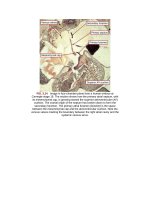
AmplatzerMuscularVSDOccluder(Fig.32.39).DatafromtheUSregistryof
patientswithmuscularventricularseptaldefectsundergoingclosurewitha
device109showthatsuccessfulpercutaneousimplantationoccurredin87%of
patients,includingthoserequiringmultipledeployments,witharateofclosure
of97%at12months.Complicationsoccurredin11%ofpatients,includingtwo
patientswhodied,givingaworrisomemortalityof3%.Anindividual
experiencein50patientswithmusculardefectsreportednoprocedural
complications.110Anumberofdevicesdesignedforothercardiacand
intracardiacapplicationshavebeenusedtocloseunrestrictiveperimembranous
defects,108butwithanundueincidenceofcomplicationsandresidualshunting.
TheAmplatzerMembranousVSDOccluderwasspecificallydesignedtoaddress
anatomicconcerns,particularlythepossibilityofcausingaorticinsufficiency.
Thisself-expandingdouble-diskdevice,alsomadeofnitinolmesh,hasbeen
implantedwithgreatsuccess,andprovidesahighrateofclosurewithout
producingsignificantaorticvalvardysfunction.However,suchimplantationhas
beenassociatedwithanunacceptableincidenceofcompleteheartblock,both
acutelyandinlonger-termfollow-up,111,112particularlyinchildrenyoungerthan
6years.Arecentexperienceinmorethan1000patientsfoundanincidenceof
1.63%,withhalfoftheaffectedpatientsrevertingtosinusrhythmwithsteroid
therapy.113Recentstudies114andasystematicreviewandmeta-analysis
comparingsurgicalwithtranscatheterclosureofperimembranousventricular
septaldefectsreportedcomparableproceduralsuccessratesandcombinedsafety
endpointsformajorcomplications.Therewasareducedneedforblood
transfusionsanddurationofhospitalizationinthoseundergoingtranscatheter
closure.115Finally,inchildrenwithsignificantleft-to-rightshuntsandrestriction
offlowduetoformationofasack-likeaneurysm,oftenfromtheundersideof
thetricuspidvalve,placementofdevicesoriginallydesignedforclosureofthe
arterialducthasbeenhighlysuccessful.116Deviceclosureofperimembranous
defectsmaywellprovetobethemoreprudentoptioninthefuture.Atpresent,
nonetheless,inthelightofexcellentoutcomesandalowincidenceofpermanent
heartblock,117,118surgeryremainsthemainstayfortherapeuticclosure.